Ever had a night where you’re craving a crispy, golden fish that feels like a luxury treat but you’re stuck in a cramped kitchen with no fancy gadgets? I was there, scrolling through my phone, heart pounding because my last take‑out order had been a soggy disappointment. I swore to myself that I’d find a way to make the ultimate beer‑battered fish at home, and after a few frantic experiments I hit the jackpot. The result? A crust that shatters like thin ice, a beer‑infused batter that gives a subtle malt depth, and a fish so tender it practically melts in your mouth. I dare you to taste this and not go back for seconds.
The first time I tried this recipe, the kitchen filled with the aroma of sizzling batter and the faint, yeasty scent of beer. The sound of the oil bubbling was a comforting rhythm, like a drumbeat that promised deliciousness. As soon as the first fillet hit the pan, the sizzle turned into a symphony of crackles that sent a shiver of anticipation down my spine. The golden crust looked like a sunrise on the skillet, and when I lifted it, the steam rose like a cloud of buttery perfume. My friends who tasted it swore it was better than any take‑out place, and I could see the surprise on their faces as they realized I’d outdone them. Picture yourself pulling this out of the pan, the whole kitchen smelling incredible, and knowing you’ve just made a masterpiece.
What makes this version stand out isn’t just the crunch. It’s the thoughtful combination of ingredients, the precise temperature control, and the little hacks that elevate the flavor profile. The beer isn’t just a liquid filler; it’s a flavor carrier that infuses the batter with a subtle maltiness that pairs perfectly with the fresh cod. The cayenne pepper adds a whisper of heat that doesn’t overpower the fish but keeps the dish from being flat. And the final splash of malt vinegar gives a bright, tangy finish that cuts through the richness, making every bite a balanced experience. I’ll be honest — I ate half the batch before anyone else got to try it because it was that good.
Most recipes get this completely wrong. They either use the wrong beer, overmix the batter, or fry at the wrong temperature, resulting in a soggy mess. Here’s what actually works: a balanced batter, a steady 350°F oil temperature, and a quick rest period after frying to let the crust firm up. And if you’re still skeptical, I promise this is hands down the best version you’ll ever make at home. Let me walk you through every single step — by the end, you’ll wonder how you ever made it any other way.
What Makes This Version Stand Out
- Flavor: The beer‑infused batter delivers a subtle malt depth that elevates the mild cod, creating a harmony of savory and sweet notes.
- Texture: Crisp edges that shatter like thin ice, while the interior remains moist and flaky, offering a satisfying contrast.
- Simplicity: With just nine ingredients, the recipe is straightforward yet delivers restaurant‑quality results.
- Uniqueness: The malt vinegar glaze adds a tangy kick that sets this dish apart from traditional battered fish.
- Crowd‑pleaser: Perfect for parties, family dinners, or a quick weeknight hit that impresses guests.
- Ingredient Quality: Fresh cod, a quality beer, and a splash of malt vinegar create a flavor profile that’s hard to beat.
- Cooking Method: Precise oil temperature and resting time ensure a golden, airy crust.
- Make‑ahead Potential: The batter can be prepared in advance, and the fish can be fried later for a quick meal.
Inside the Ingredient List
The Flavor Base
Beer is the star of this recipe, providing a subtle malty sweetness that permeates the batter. Choosing a light or amber ale adds depth without overpowering the delicate cod. If you prefer a richer profile, a stout or porter can create a deeper, roasted flavor, but be careful not to dominate the dish. Skipping the beer will leave the batter flat and less aromatic, so keep it for that unmistakable kick.
The Texture Crew
Flour, baking powder, sea salt, cayenne pepper, and garlic powder form the backbone of the batter’s crispness. The baking powder is essential; it reacts with the beer’s acidity to create tiny bubbles that lift the batter into a light, airy shell. Cayenne pepper adds a subtle heat that keeps the dish from being dull, while garlic powder gives a savory undertone that lingers on the palate. If you’re gluten‑free, swap the all‑purpose flour for a gluten‑free blend and you’ll still get that satisfying crunch.
The Unexpected Star
Fresh cod is the canvas that brings everything together. Its mild, buttery flavor is the perfect partner for a beer‑infused batter. Choosing a fillet that’s firm and free of dark spots ensures a clean, consistent texture. If you can’t find cod, tilapia or haddock work well, but the flavor profile will shift slightly.
The Final Flourish
Oil for frying and malt vinegar for glazing are the finishing touches that elevate the dish. The oil must be hot enough to seal the batter instantly; a cooler pan will result in soggy, greasy fish. Malt vinegar adds a bright, tangy contrast that cuts through the richness of the fried coating, creating a balanced bite. If you don’t have malt vinegar, apple cider vinegar is a decent substitute, though it’s less complex.
Everything's prepped? Good. Let's get into the real action...
The Method — Step by Step
- In a medium bowl, whisk together the beer, flour, baking powder, sea salt, cayenne pepper, and garlic powder until you have a thick, lump‑free batter. Let it rest for 5 minutes; this allows the gluten to relax and the leavening to activate. The batter should feel thick enough to coat the back of a spoon. This is the moment where the aroma of beer starts to fill the kitchen, signaling that you’re on the right track.
- Pat the cod fillets dry with paper towels, then season both sides lightly with a pinch of sea salt. The drier the surface, the better the batter will adhere. You want a clean, even coating that doesn’t drip or slide off. This step also helps the fish retain its moisture during frying.
- Heat 1/2 cup of canola or vegetable oil in a deep skillet or fryer over medium‑high heat. Use a thermometer to monitor the temperature; it should reach 350°F (175°C). If you don’t have a thermometer, drop a small piece of batter into the oil; it should sizzle immediately and rise to the surface within a few seconds. Keep a lid nearby to catch any splattering.
- Dip each fillet into the batter, letting excess drip off, then carefully slide into the hot oil. Avoid overcrowding; fry in batches if necessary. The batter should sizzle upon contact, creating a quick seal. Flip once, after about 3–4 minutes, until the coating turns a deep golden brown.
- Fry for 3–4 minutes per side, flipping once, until the coating turns golden brown and crisp. Watch out: hot oil can splatter; keep a lid nearby and use a long tongs. The fish should sound like a crisp crackle, not a dull thud. When you lift it, the crust should feel firm yet airy.
- Transfer the fish to a wire rack set over paper towels to drain excess oil. Let rest 2 minutes to allow the crust to firm. This resting period is crucial; it prevents the crust from becoming soggy when the fish cools slightly.
- While the fish rests, prepare a quick malt vinegar glaze: whisk 2 tablespoons malt vinegar with 1 teaspoon sugar and a dash of sea salt; heat until syrupy. The glaze should be thick enough to coat the fillets but still pourable. If you don’t have malt vinegar, apple cider vinegar works too, though it’s less complex.
- Brush the glaze over the warm fillets, letting the caramelized glaze cling to the crispy edges. The glaze should glisten like amber, hinting at the sweet‑acid balance. This step adds a glossy finish that makes the dish look as good as it tastes.
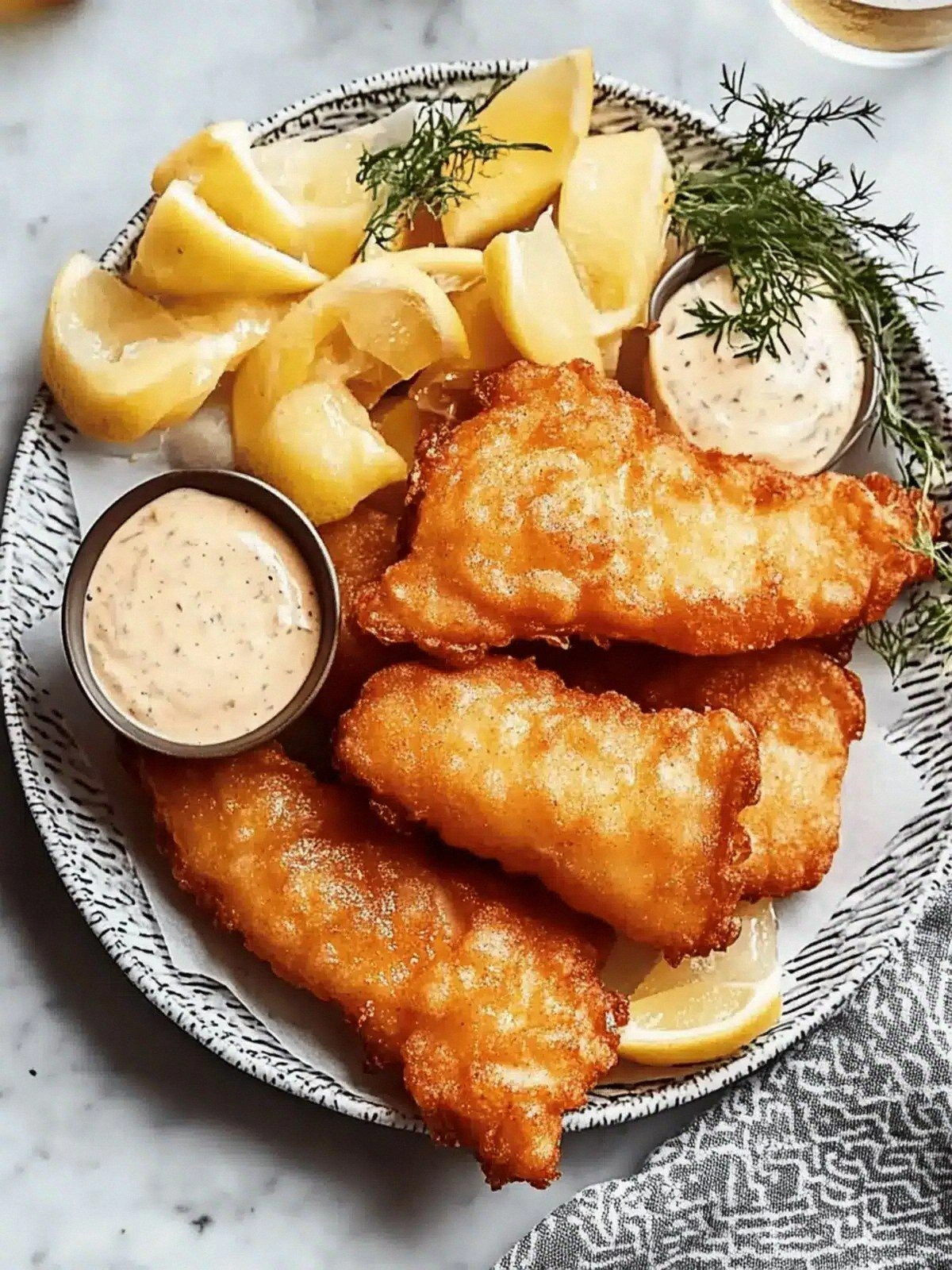
- Plate the fish on a platter, garnish with lemon wedges and fresh parsley if desired. The bright green parsley adds a fresh pop against the golden crust, and the lemon wedges provide a citrus punch that cuts through the richness.
- Serve immediately with tartar sauce or your favorite dipping sauce, and watch the crowd go wild. The first bite should deliver that satisfying crunch, followed by the buttery cod and the tangy glaze. The experience feels like a culinary win every time.
That's it — you did it. But hold on, I've got a few more tricks that'll take this to another level...
Insider Tricks for Flawless Results
The Temperature Rule Nobody Follows
Many cooks assume that medium‑high heat is sufficient, but the secret is a steady 350°F (175°C). Too hot, and the batter will char before the fish cooks; too cool, and it will soak up oil and become greasy. Use a thermometer if you have one, or test with a small batter drop. The oil should sizzle softly, not roar. Keep the temperature consistent by adding a little more oil if the level drops.
Why Your Nose Knows Best
As the fish fries, the aroma will shift from yeasty to nutty to caramelized. That scent is a cue that the crust is forming correctly. If the smell stalls at a raw beer note, the oil is too cool. If it smells burnt, it’s too hot. Trust your senses; they’re a reliable guide to perfect frying.
The 5-Minute Rest That Changes Everything
After frying, let the fish rest on a rack for five minutes. This allows the steam to escape and the crust to set, preventing it from becoming soggy when you cut into it. It also gives the glaze a chance to thicken slightly on the surface. Skipping this step is a recipe for disappointment.
Keep the Batter Cold
Refrigerate the batter for up to 30 minutes before frying. Cold batter creates a more stable coating, reducing oil absorption. When you’re ready to fry, give it a quick stir to bring it to room temperature. The batter should still be thick but not too cold that it clumps.
Use Fresh Cod for Best Flavor
Fresh cod holds its shape and flavor better than frozen. Look for fillets that are firm, translucent, and have a mild scent. If you must use frozen, thaw in cold water, not at room temperature, to preserve texture. A fresher fish means a cleaner, more delicate taste.
Don’t Overmix the Batter
Stir the batter until just combined; overmixing develops gluten, leading to a dense crust. A few lumps are fine and actually help the batter cling to the fish. Think of the batter as a delicate cloud that should float, not a thick batter for pancakes.
Creative Twists and Variations
This recipe is a playground. Here are some of my favorite ways to switch things up:
Spicy Kick Variation
Add 1/4 teaspoon of smoked paprika and a dash of cayenne to the batter for a smoky heat that pairs with the malt vinegar glaze. The spice elevates the flavor profile and makes it perfect for a night with friends who love a little burn.
Herb‑Infused Twist
Stir in 1 tablespoon of chopped fresh dill or parsley into the batter. The herbs add a fresh, green note that brightens the dish and complements the lemon wedges on the plate.
Cheesy Crunch Upgrade
Sprinkle 1/4 cup of grated Parmesan or cheddar into the batter before frying. The cheese melts slightly, creating a golden, cheesy crust that’s irresistible to kids and adults alike.
Gluten‑Free Version
Replace the all‑purpose flour with a 1:1 gluten‑free blend. The batter will still rise and crisp, though it may be slightly denser. Adjust the baking powder to 3/4 teaspoon to maintain lift.
Veggie Fish Substitute
Use firm white fish like halibut or even firm tofu for a vegetarian option. The batter adheres well, and the glaze still provides that tangy finish.
Asian‑Inspired Sauce
Swap the malt vinegar glaze for a soy‑ginger reduction. Combine soy sauce, rice vinegar, grated ginger, and a touch of honey; simmer until thickened. Drizzle over the fish for a sweet, umami twist.
Storing and Bringing It Back to Life
Fridge Storage
Store leftover fish in an airtight container in the refrigerator for up to 2 days. The crust will soften slightly, so let it rest at room temperature for 10 minutes before reheating to restore crispness.
Freezer Friendly
Wrap each fillet in parchment paper and place in a freezer bag. Freeze for up to 1 month. Thaw overnight in the refrigerator before reheating. The batter remains crisp if reheated properly.
Best Reheating Method
Reheat in a preheated oven at 375°F (190°C) for 8–10 minutes, or until the fish is heated through and the crust is crisp again. Add a splash of water to the pan before reheating; the steam will help the batter stay moist and prevent it from drying out.