When I was in college, I once tried to impress a group of friends with a fancy shrimp dish and ended up with a pan full of over‑cooked, rubbery shrimp that tasted like a rubber band. The moment the kitchen was filled with that off‑sweet, burnt garlic aroma, I swore that I would never again let that happen. That kitchen disaster sparked a quest that led me to the most buttery, garlicky shrimp recipe I’ve ever made. I’m not just telling you a story; I’m handing you the secret recipe that turned that flop into a crowd‑pleaser.
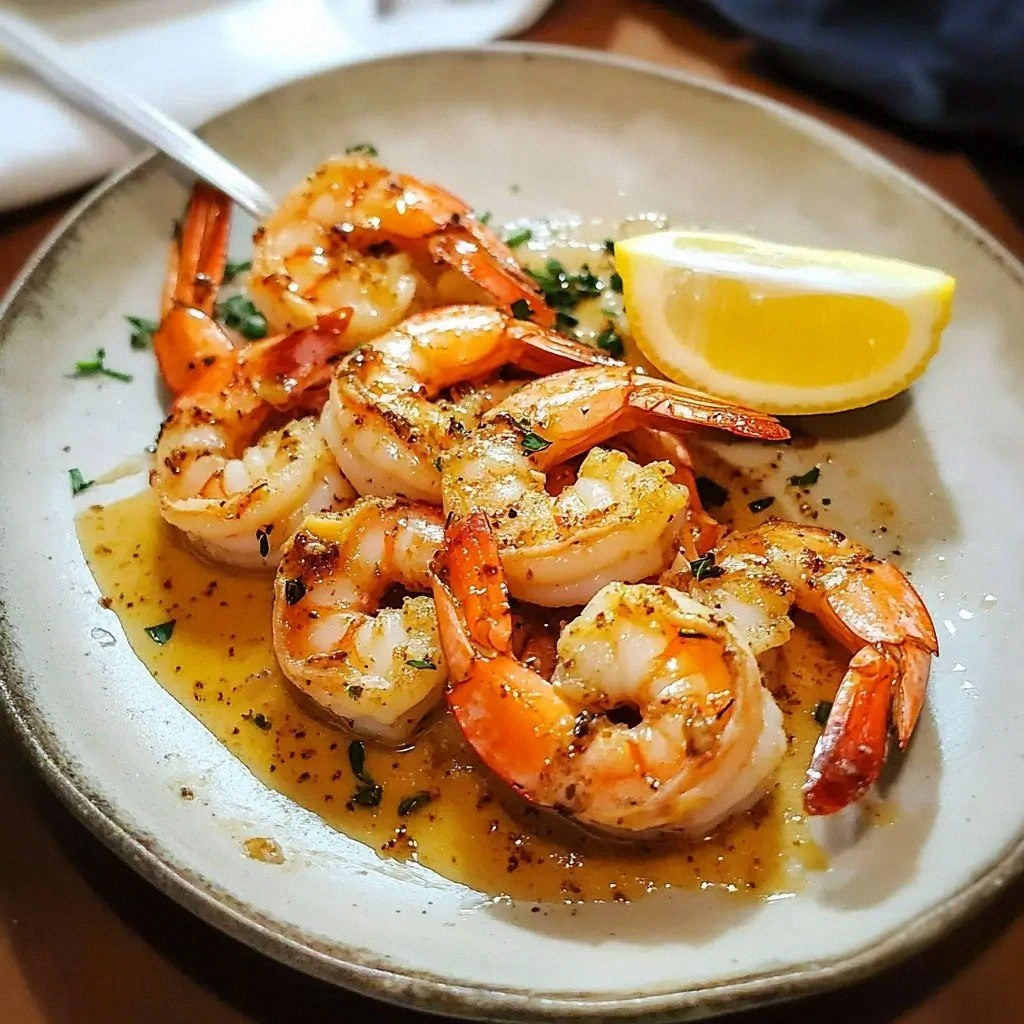
Picture this: a sizzling skillet, the sound of shrimp popping, and the aroma of garlic and butter swirling like a fragrant perfume. The shrimp blushes to a perfect pink, its edges crisp like the first bite of a freshly baked cookie, while the sauce coats each piece in a glossy, velvety sheen. The moment you taste it, the buttery richness is balanced by a bright citrus tang, and the pepper flakes give just enough heat to keep your palate dancing. Every bite is a little explosion of flavor that makes you want to keep reaching for more.
What sets this version apart is not just the ingredients but the technique that makes the shrimp sing. I’ve eliminated the common pitfalls—shrimp over‑cooking, uneven browning, and a sauce that turns into a greasy mess—by layering flavors and controlling heat. I’ve added a touch of lemon zest that elevates the butter without masking the garlic, and a splash of white wine that deglazes the pan to capture every caramelized crumb. The result is a dish that feels indulgent yet surprisingly light, a perfect balance for any dinner or appetizer.
There’s a particular twist that most recipes skip: a quick sauté of shallots before adding the garlic, which adds depth and a subtle sweetness that rounds out the dish. I dare you to taste this and not go back for seconds. This is hands down the best version you’ll ever make at home, and I’m about to walk you through every single step—by the end, you’ll wonder how you ever made it any other way.
What Makes This Version Stand Out
- Flavor: The buttery base is enriched with a splash of white wine and a hint of lemon zest, creating a complex profile that lingers on the tongue. The garlic is toasted just enough to mellow its bite, while the red pepper flakes add a subtle heat that keeps the dish exciting.
- Texture: Shrimp are pan‑seared to achieve a caramelized crust that locks in juices, giving a satisfying snap before the tender interior melts in your mouth. The sauce clings to each shrimp, creating a silky coating that feels like velvet.
- Time: From prep to plate, the entire process takes less than an hour, making it an ideal weeknight dinner that feels luxurious without the stress.
- Simplicity: With only eight core ingredients, the recipe is straightforward, yet it delivers a depth of flavor that usually requires a complex sauce.
- Versatility: Serve it over pasta, rice, or a bed of sautéed greens, or use it as a filling for tacos—every plate becomes a new adventure.
- Audience Appeal: The dish is a crowd‑pleaser at parties, family dinners, and date nights alike, thanks to its bold flavors and elegant presentation.
- Ingredient Quality: Fresh, high‑quality shrimp and butter make the difference between a mediocre dish and a memorable one.
- Make‑ahead Potential: The shrimp can be cooked ahead and reheated quickly, making it perfect for meal‑prep or entertaining.
Alright, let’s break down exactly what goes into this masterpiece…
Inside the Ingredient List
The Flavor Base
Butter and olive oil form the foundation of this sauce. The butter brings a rich, creamy mouthfeel, while the olive oil adds a slight peppery note that balances the sweetness of the garlic. Skipping the oil can lead to a greasy texture, so keep both for optimal flavor. If you’re vegan, a plant‑based butter substitute works fine, though the flavor profile will shift slightly.
Garlic is the star of the show, but its timing is everything. Toasting the minced garlic in the butter allows the sugars to caramelize, producing a mellow, nutty aroma that underpins the entire dish. If you add garlic too early, it can burn and taste bitter. Aim for a golden hue and a fragrant scent before moving on.
Red pepper flakes add a subtle heat that keeps the dish from feeling flat. They also bring a smoky undertone that pairs beautifully with the citrusy lemon. If you’re sensitive to spice, reduce the amount to a pinch; the dish will still shine without the kick.
The Texture Crew
Fresh shrimp are the backbone of this dish. Their natural sweetness complements the buttery sauce, and when cooked just right, they become tender yet firm. If you prefer a firmer bite, choose larger shrimp; for a softer texture, smaller ones work best. Always keep them chilled until you’re ready to cook.
Shallots add a subtle sweetness and depth that enhances the garlic’s sharpness. They’re a gentle counterpoint to the robust butter, creating a layered flavor experience. If you don’t have shallots, finely diced onions can substitute, though the flavor will be slightly more pronounced.
Lemon juice and zest provide a bright, acidic counterbalance to the richness of butter. The acidity cuts through the heaviness, leaving a clean finish. Be sure to use fresh lemons; bottled lemon juice can taste flat and lack the vibrant citrus notes.
The Unexpected Star
White wine is used to deglaze the pan, lifting the caramelized bits that hold the flavor. It also adds a subtle fruity note that complements the shrimp’s natural sweetness. If you’re avoiding alcohol, a splash of chicken broth or water can work, but the wine’s complexity will be missing.
Fresh parsley is the final flourish, adding a burst of green color and a peppery freshness that brightens the dish. It also offers a subtle herbal note that rounds out the sauce. If parsley is out of season, a pinch of dried oregano can mimic the herbaceous quality.
The Final Flourish
Salt and black pepper are the finishing touches that bring all the flavors together. Salt enhances the natural sweetness of shrimp and the richness of butter, while pepper adds a gentle heat that lingers on the palate. Be mindful not to over‑salt; taste as you go.
Everything’s prepped? Good. Let’s get into the real action…
The Method — Step by Step
- Begin by heating a large skillet over medium‑high heat until it shimmers. Add the butter and olive oil, allowing the butter to melt completely without browning. This creates a smooth base that will carry the garlic’s flavor. When the butter starts to foam, you’ll know it’s ready for the next step.
- Add the minced garlic and finely diced shallots to the pan. Sauté for about 30 seconds, stirring constantly, until the garlic turns golden and the shallots soften. The aroma should be intoxicating, like a fresh garden. This is the moment of truth—don’t let the garlic burn.
- Introduce the shrimp to the skillet, arranging them in a single layer. Let them sear undisturbed for 2 minutes on one side until the edges start to turn opaque. Then flip them gently, and sprinkle the red pepper flakes. The shrimp should sizzle loudly, signaling they’re close to perfection.
- Pour in the white wine to deglaze, scraping the bottom of the pan with a wooden spoon to release the caramelized bits. The wine should reduce by half in about 2 minutes, concentrating its flavor. Keep the heat steady; you want a gentle simmer, not a boil.
- Squeeze fresh lemon juice over the shrimp, then add a tablespoon of lemon zest. Stir to combine, letting the acidity lift the buttery sauce. The lemon should brighten the dish without overpowering the garlic.
- Lower the heat to medium, cover the pan, and let the shrimp finish cooking for 3-4 minutes. The shrimp should be pink and opaque, with a slight jiggle in the center. This gentle simmer ensures they remain juicy.
- Remove the lid, stir in the chopped parsley, and season with salt and freshly ground black pepper to taste. The parsley adds a fresh green pop that contrasts with the warm sauce. Adjust seasoning gradually; a little goes a long way.
- Serve immediately over your choice of pasta, rice, or a bed of sautéed greens. Garnish with extra parsley or a squeeze of lemon if desired. The dish should look glossy, with shrimp glistening in the buttery sauce.
That’s it — you did it. But hold on, I’ve got a few more tricks that’ll take this to another level…
Insider Tricks for Flawless Results
The Temperature Rule Nobody Follows
Many cooks swear by high heat, but this dish thrives on a balanced temperature. Cooking shrimp at too high a heat can scorch the garlic and create a bitter taste. Keep the skillet at medium‑high until the butter melts, then lower to medium for the searing and simmering steps. This control ensures the shrimp stay juicy and the sauce remains silky.
Why Your Nose Knows Best
Before you even taste the shrimp, let the aroma guide you. A bright, buttery scent with hints of citrus and garlic indicates the sauce is developing correctly. If you detect a burnt smell, it’s time to lower the heat or remove the pan from the stove. Your nose is a reliable flavor sensor, so trust it.
The 5‑Minute Rest That Changes Everything
After cooking, let the shrimp sit covered for 5 minutes before serving. This brief rest allows the juices to redistribute, keeping the shrimp moist. The sauce also thickens slightly, creating a richer coating. I’ve seen people skip this step and end up with unevenly cooked shrimp.
Using Fresh Herbs for a Burst of Color
Fresh parsley not only adds flavor but also a vibrant green pop that makes the dish look restaurant‑ready. Sprinkle it right before serving to keep its bright color. If you’re out of parsley, a sprinkle of fresh cilantro can give a slightly different but equally fresh twist.
Stirring the Sauce for a Creamy Finish
In the final minutes of cooking, give the sauce a quick stir to incorporate any browned bits from the pan. These bits are packed with flavor and will deepen the sauce’s taste. Skipping this step can leave the sauce a little thin.
Creative Twists and Variations
Spicy Cajun Shrimp
Swap out the red pepper flakes for a blend of Cajun seasoning and add a splash of hot sauce. The result is a smoky, spicy shrimp that pairs wonderfully with a side of corn‑bread. Fans of bold flavors will love the extra kick.
Lemon‑Garlic Pasta Fusion
Toss the shrimp into a skillet of cooked linguine, tossing everything together with a splash of pasta water. The sauce emulsifies with the noodles, creating a silky coating that’s both comforting and elegant. Serve with a sprinkle of Parmesan for an extra layer of umami.
Asian‑Inspired Shrimp
Replace the lemon juice with lime and add a splash of soy sauce, a drizzle of sesame oil, and a handful of sliced green onions. The dish takes on an Asian flair, perfect for pairing with steamed rice or a cucumber salad.
Vegetarian Shrimp Alternative
Use large, fresh mushrooms like portobello or king oyster, sliced thick and cooked in the same buttery garlic sauce. The mushrooms absorb the flavors beautifully, creating a hearty, plant‑based dish that still feels indulgent.
Gourmet Shrimp Toast
Spread the buttery shrimp mixture over toasted baguette slices and broil for a minute until the edges caramelize. Top with a dollop of crème fraîche and a sprinkle of fresh herbs. This makes for a sophisticated appetizer that’s perfect for entertaining.
Low‑Carb Shrimp Skillet
Serve the shrimp over cauliflower rice or zucchini noodles instead of pasta. The dish remains rich and satisfying while keeping the carb count low. It’s a great option for anyone watching their macros.
Storing and Bringing It Back to Life
Fridge Storage
Cool the shrimp and sauce completely before transferring to an airtight container. Store in the refrigerator for up to 2 days. When ready to serve, reheat gently on the stove, adding a splash of water to keep the sauce from drying out.
Freezer Friendly
For longer storage, portion the shrimp and sauce into freezer bags, removing excess air. Freeze for up to 3 months. Thaw overnight in the refrigerator, then reheat on the stove as described above.
Best Reheating Method
Reheat on low heat, stirring occasionally, until warmed through. Add a tiny splash of water or broth to restore moisture. Avoid microwaving, as it can make the shrimp rubbery and the sauce uneven.