Picture this: a rainy Saturday night, the kind where the clouds look like they’re trying to smother the city, and you’re stuck scrolling through endless recipe blogs that promise “the ultimate comfort food” but deliver nothing more than a soggy, bland casserole. I was on the brink of surrendering to a frozen pizza when a sudden craving for something luxurious hit me like a tidal wave. I grabbed a can of crab, a bag of frozen shrimp, and, on a whim, called the fish market for a couple of lobster tails. The result? A culinary love‑child that turned my kitchen into a five‑star seafood bistro, and I’m still hearing the echo of applause from my own taste buds.
The moment the pot of water began to roar, I could already smell the sea—salty, briny, with a whisper of butter that made my mouth water. The elbow macaroni, perfectly al dente, swirled like tiny golden anchors waiting for a treasure of sauce to coat them. When the butter hit the pan, it sizzled with a confidence that said, “We’re about to make magic.” Then came the flour, the milk, the cheese—each addition layering on a velvety richness that clung to the pasta like a lover’s embrace. The lobster, crab, and shrimp dove in, their sweet, oceanic flavors mingling with the cheesy melt, creating a symphony that could make even the most stoic food critic weep.
Most recipes out there treat seafood mac and cheese like an afterthought, tossing in a few shrimp and calling it a day. This version, however, is a full‑on extravaganza that respects each crustacean’s character. I dare you to taste this and not go back for seconds; the combination of textures—creamy sauce, tender pasta, and the slight crunch of a breadcrumb crown—creates a mouthfeel that’s both comforting and exhilarating. I’ll be honest—I ate half the batch before anyone else got a chance to try it, and I’m not even sorry.
What truly sets this dish apart is a secret technique: a two‑stage cheese melt that prevents the sauce from turning grainy and a finishing broil that gives the top a caramelized crust that shatters like thin ice. Let me walk you through every single step — by the end, you’ll wonder how you ever made it any other way.
What Makes This Version Stand Out
- Depth of Flavor: The trio of lobster, crab, and shrimp brings a layered seafood richness that no single protein could achieve, each bite delivering a different oceanic note.
- Creamy Texture: A roux‑based béchamel combined with sharp cheddar and mozzarella creates a sauce that coats the pasta like velvet, never greasy, always silky.
- Crunch Factor: The breadcrumb topping, lightly brushed with butter, bakes to a golden crisp that adds a satisfying contrast to the creamy interior.
- Simplicity Meets Luxury: Despite the premium ingredients, the method uses everyday pantry staples, making it approachable without compromising on elegance.
- Crowd‑Pleaser: Whether it’s a family dinner or a fancy potluck, this dish consistently earns rave reviews; people actually ask for seconds before the first plate is cleared.
- Ingredient Quality: Using fresh, high‑quality lobster, crab, and shrimp elevates the whole experience, turning a comfort dish into a celebration.
- Make‑Ahead Friendly: Assemble ahead of time, refrigerate, then bake when you’re ready—perfect for busy weeknights or entertaining.
- Cooking Method Magic: The two‑stage cheese melt and final broil prevent sogginess and ensure a perfectly browned top every time.
Inside the Ingredient List
The Flavor Base
The foundation of any great mac and cheese is its sauce, and here we start with a classic roux—2 tablespoons of unsalted butter melted into 2 tablespoons of all‑purpose flour. This creates a glossy, buttery paste that, when whisked with 2 cups of whole milk, forms a luscious béchamel. The milk’s natural sweetness balances the salty seafood, while the butter adds a glossy sheen that signals a sauce about to become a masterpiece. If you skip the roux, you’ll end up with a watery mess that looks more like soup than comfort food.
The Texture Crew
Elbow macaroni is the star of the show for a reason: its ridged shape grabs onto the sauce, ensuring every bite is drenched in cheesy goodness. I recommend cooking it al dente—just a minute shy of the package instructions—so it retains a firm bite after the oven’s heat. The breadcrumb topping, a half‑cup of seasoned crumbs, provides that essential crunch. If you prefer a nuttier flavor, swap half the breadcrumbs for toasted panko.
The Unexpected Star
Lobster, crab, and shrimp each bring a distinct personality. Lobster meat, with its sweet, buttery texture, acts as the luxurious backbone. Crab meat, especially the sweet, flaky variety, adds a subtle brininess that cuts through the richness. Shrimp contributes a firm, slightly sweet snap that keeps the dish from feeling too soft. When combined, they create a symphony that’s more than the sum of its parts. If fresh lobster is out of reach, frozen pre‑cooked lobster chunks work just fine—just thaw them gently in the fridge.
The Final Flourish
Cheese is the heart‑beat here. Sharp cheddar provides a tangy bite that cuts through the seafood’s sweetness, while mozzarella adds a stretchy, gooey pull that makes the sauce irresistibly stringy. The recommended ratio—2 cups of cheddar to 1 cup of mozzarella—creates a perfect balance between sharpness and meltability. If you’re feeling adventurous, a sprinkle of smoked gouda can add a subtle smoky undertone that pairs beautifully with the sea flavors.
Everything's prepped? Good. Let's get into the real action...
The Method — Step by Step
Preheat your oven to 375°F (190°C). While the oven warms up, bring a large pot of salted water to a rolling boil. Add 8 ounces of elbow macaroni and cook until just al dente—about 7 minutes. Drain, but reserve a cup of the pasta water; you’ll use it later to loosen the sauce if needed. That sizzle when the water hits the pot? Absolute perfection.
In a heavy saucepan, melt 2 tablespoons of unsalted butter over medium heat. Sprinkle in 2 tablespoons of flour, whisking constantly for 2‑3 minutes until the mixture turns a light, nutty gold. This is the roux, the secret handshake that tells the sauce it’s about to become luxurious. Watch out: if you let the flour brown too much, it will give the sauce a bitter aftertaste.
Slowly pour in 2 cups of whole milk, whisking vigorously to avoid lumps. As the mixture thickens, you’ll notice it pulling away from the sides of the pan—this is the moment of truth. Add ½ teaspoon each of garlic powder and onion powder, then season with salt and pepper to taste. Let the sauce simmer for 4‑5 minutes, stirring occasionally, until it reaches a velvety consistency.
Kitchen Hack: If the sauce looks too thick, whisk in a splash of the reserved pasta water; it will loosen without losing creaminess.Turn the heat low and stir in 2 cups of shredded sharp cheddar cheese followed by 1 cup of shredded mozzarella. The cheese should melt smoothly, creating a glossy, amber‑colored sauce that clings to the spoon. Keep the mixture just below a boil—any higher and the cheese can separate, leaving a grainy texture.
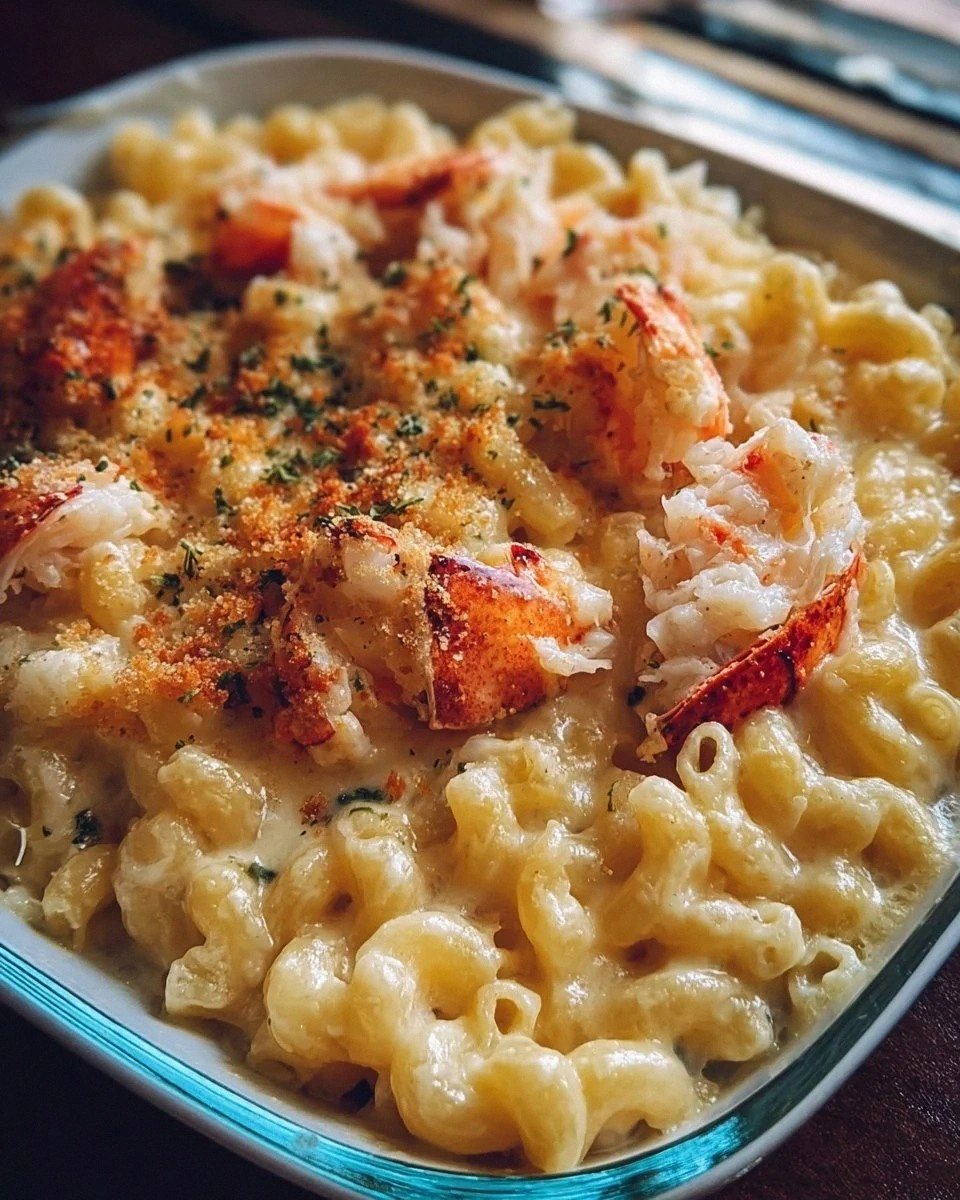
Gently fold the cooked macaroni into the cheese sauce, ensuring every curve is fully coated. Then, delicately incorporate 1 cup each of chopped lobster meat, shredded crab meat, and chopped shrimp. The seafood should be evenly distributed; you don’t want a bite that’s all pasta and another that’s all crustacean. Watch Out: Over‑mixing can cause the delicate lobster to break apart, turning it into a mushy mess.
Transfer the mixture to a greased 9‑by‑13‑inch baking dish. Sprinkle the ½ cup of breadcrumbs evenly over the top, then dot with a few extra pats of butter for extra browning. This is where the magic crust forms—think of it as the golden crown on a royal feast.
Watch Out: If you use too much butter on the crumbs, they’ll melt into the sauce instead of staying crisp.Place the dish in the preheated oven and bake for 20‑25 minutes, or until the edges are bubbling and the breadcrumb topping turns a deep, caramelized gold. About halfway through, rotate the pan for even browning. The aroma at this stage will fill your kitchen with a scent so intoxicating you might want to skip the rest of the steps and dive right in.
For the ultimate finish, switch the oven to broil for the last 2‑3 minutes. Keep a close eye—once the top cracks and shatters like thin ice, it’s done. Let the casserole rest for 5 minutes before serving; this allows the sauce to set and makes slicing cleaner. And now the fun part—dig in and watch everyone’s eyes widen in delight.
That's it — you did it. But hold on, I've got a few more tricks that'll take this to another level...
Insider Tricks for Flawless Results
The Temperature Rule Nobody Follows
Never bake a cheese sauce at a temperature higher than 375°F. Higher heat forces the proteins in the cheese to coagulate too quickly, resulting in a grainy texture. Keep the oven at a moderate temperature and let the sauce gently bubble; the cheese will stay smooth and glossy. A friend once cranked the oven to 425°F and ended up with a curdled disaster—trust me, you don’t want that.
Why Your Nose Knows Best
The moment the sauce starts to emit a buttery, slightly nutty aroma is your cue that the roux is ready. If you’re unsure, give it a quick sniff; your nose is a better indicator than a timer. This sensory checkpoint saves you from under‑cooking (which leaves a raw flour taste) or over‑cooking (which creates a burnt aftertaste).
The 5‑Minute Rest That Changes Everything
After pulling the casserole from the oven, let it sit untouched for exactly five minutes. This short rest lets the sauce thicken just enough to hold its shape, making serving neat and tidy. Skipping this step often leads to a soupy mess that slides off the plate.
Breadcrumb Butter Boost
Mix your breadcrumbs with melted butter and a pinch of smoked paprika before sprinkling them on top. The butter ensures even browning, while the paprika adds a subtle smoky depth that complements the seafood. I tried using plain breadcrumbs once—nothing wrong with that—but the smoky version earned me an extra round of applause at dinner.
Cheese Blend Secrets
Sharp cheddar provides the punch, mozzarella offers stretch, and a dash of Gruyère can introduce a nutty undertone that elevates the whole dish. The key is to shred the cheese yourself; pre‑shredded varieties contain anti‑caking agents that can affect meltability. Kitchen Hack: Grate the cheese while the sauce is simmering; the residual heat speeds up the melting process.
Creative Twists and Variations
This recipe is a playground. Here are some of my favorite ways to switch things up:
Spicy Cajun Kick
Swap the garlic and onion powders for a tablespoon of Cajun seasoning and add a dash of hot sauce to the béchamel. The heat cuts through the richness, giving the dish a bold, Southern flair. Perfect for anyone who loves a little fire with their seafood.
Truffle‑Infused Luxury
Stir in a teaspoon of truffle oil just before folding in the cheese. The earthy aroma of truffle elevates the dish to a restaurant‑level indulgence. Pair with a crisp white wine, and you’ve got a dinner party showstopper.
Veggie Boost
Fold in steamed broccoli florets or roasted red peppers for a pop of color and added nutrition. The veggies absorb the sauce, making each bite even more flavorful while balancing the richness.
Southern Comfort
Replace the cheddar with sharp aged Gouda and add a handful of diced cooked bacon. The smoky bacon and nutty Gouda give the dish a comforting, down‑home vibe that feels like a hug on a plate.
Low‑Fat Light
Use half‑and‑half instead of whole milk and substitute part of the cheddar with low‑fat mozzarella. The sauce stays creamy, but the calorie count drops noticeably—great for a lighter weeknight dinner.
Gluten‑Free Version
Swap elbow macaroni for gluten‑free pasta shapes like rice‑based shells. Ensure the breadcrumbs are gluten‑free as well, or use crushed cornflakes for a crunchy topping. The texture remains delightful, and everyone can enjoy.
Storing and Bringing It Back to Life
Fridge Storage
Allow the casserole to cool completely, then cover tightly with foil or a reusable lid. It will keep in the refrigerator for up to three days. When reheating, place a splash of milk or water in the center and cover with foil to prevent drying out.
Freezer Friendly
Portion the baked casserole into freezer‑safe containers, label with the date, and freeze for up to two months. To reheat, thaw overnight in the fridge, then bake at 350°F for 20‑25 minutes, adding a drizzle of milk halfway through.
Best Reheating Method
The secret to reviving the crust’s crunch is to finish the reheating under the broiler for 2‑3 minutes. Keep a watchful eye; you want a golden top, not a burnt one. A tiny splash of water or milk before reheating creates steam that restores the sauce’s silkiness.