Ever found yourself staring at a half‑empty pantry, a rumbling stomach, and the clock ticking louder than your neighbor's lawn mower? I was there last Tuesday, juggling a burnt‑onion fiasco and a stubborn craving for something that felt both comforting and exciting. I tossed a bag of frozen veggies into a pan, added a splash of soy sauce, and ended up with a sad, soggy mess that tasted like a sad apology. I dared my roommate to try it, and she said, “No thanks, I’d rather eat cardboard.” That moment sparked a kitchen rebellion: I vowed to create the ultimate pepper steak that would make even the toughest food critic drool.
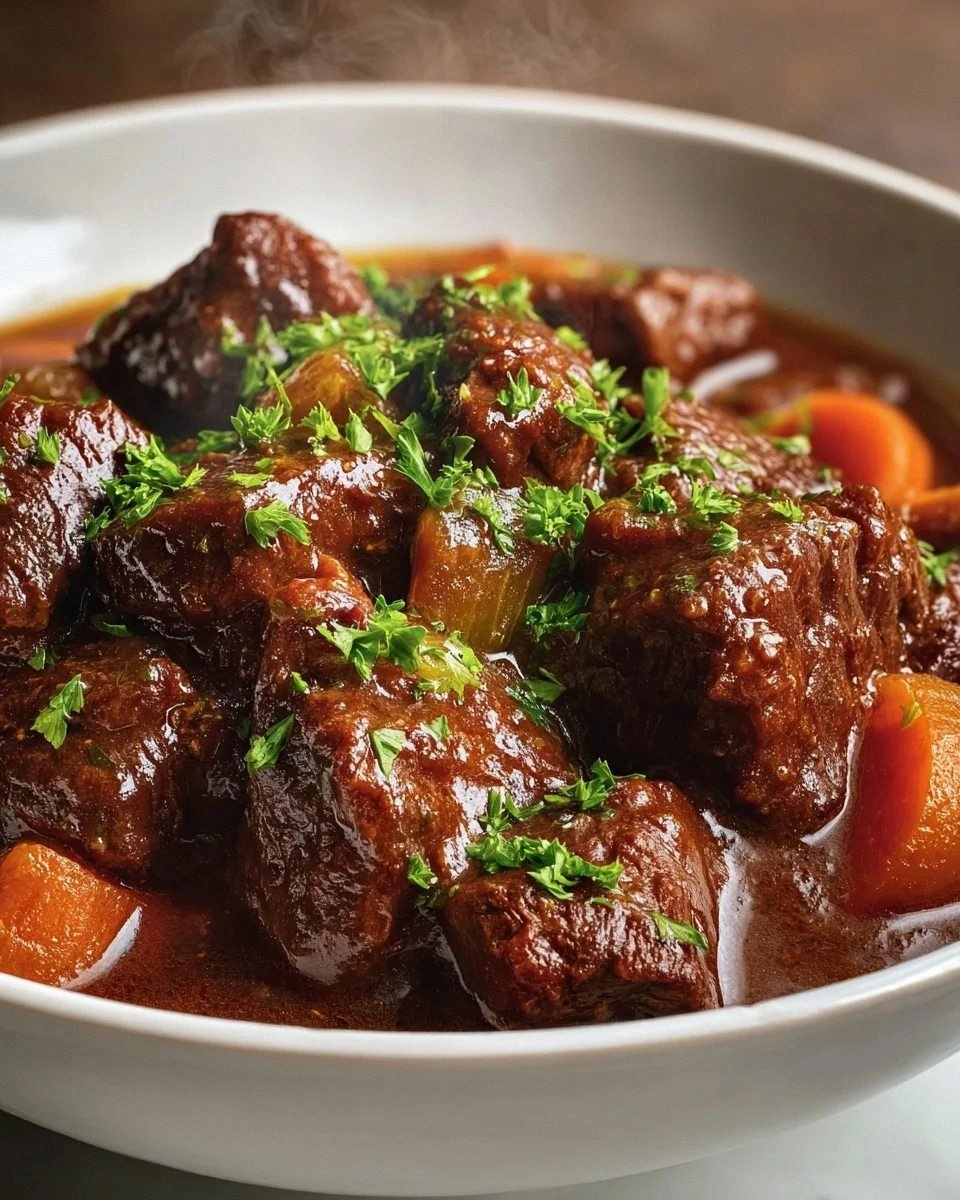
Fast forward a few frantic evenings, a trusty slow cooker, and a mountain of YouTube tutorials later, I finally cracked the code. Imagine a steak so tender it practically melts on your fork, bathed in a glossy sauce that clings to each slice like a silky veil. The peppers stay crisp, the onions turn sweet, and the whole dish smells like a bustling Asian street market at dusk. I’m talking about that intoxicating aroma that sneaks up the stairs, makes the whole house pause, and whispers, “Dinner’s ready.” If you’ve ever craved that exact moment, you’re about to have it.
Most pepper steak recipes either over‑cook the beef, drown the veggies in a watery broth, or forget the crucial step of searing. The result? A dish that’s more “meh” than “marvelous.” This version flips the script by giving the meat a quick, high‑heat sear before it slides into the slow cooker, locking in juices and creating a caramelized crust that sings. Then, a carefully balanced blend of soy, beef broth, and Worcestershire sauce builds a depth of flavor that’s richer than a late‑night karaoke session. And the secret weapon? A cornstarch slurry that turns the sauce into a glossy, restaurant‑quality glaze without any gummy texture.
Okay, ready for the game‑changer? I’m about to walk you through every single step — from selecting the perfect cut of beef to the final flourish of fresh cracked pepper. By the end, you’ll wonder how you ever managed a dinner without this masterpiece. I dare you to taste this and not go back for seconds.
What Makes This Version Stand Out
- Flavor Explosion: The marriage of soy sauce, Worcestershire, and beef broth creates a umami tsunami that drenches every bite, making the steak sing like a choir of angels.
- Texture Harmony: Thinly sliced flank steak stays juicy, while the peppers retain a satisfying snap, giving you that perfect contrast between tender and crisp.
- Simplicity Meets Sophistication: With just a handful of pantry staples and a slow cooker, you get a dish that looks like it took hours of chef‑level prep.
- Unique Twist: The quick sear before slow cooking adds a caramelized depth that most “set‑and‑forget” recipes completely miss.
- Crowd‑Pleaser Factor: Even picky eaters love the sweet‑spicy balance, and the optional red‑pepper flakes let you dial up the heat for the brave.
- Ingredient Quality: Using flank or sirloin ensures a lean, flavorful protein that doesn’t turn rubbery when cooked low and slow.
- Make‑Ahead Magic: This dish tastes even better the next day as the flavors meld, making leftovers a true luxury.
- Cooking Method Mastery: The slow cooker does the heavy lifting, while the initial sear guarantees that restaurant‑style finish.
Alright, let's break down exactly what goes into this masterpiece...
Inside the Ingredient List
The Flavor Base
Flank Steak or Sirloin: Thinly sliced, these cuts provide tenderness and flavor that melt in your mouth. The key is to cut against the grain; this shortens the muscle fibers, guaranteeing a buttery bite. If you skip this step, you’ll end up with chewy, tough strips that no amount of sauce can rescue.
Soy Sauce: This rich umami sauce adds depth and that irresistible savory taste. It also brings a salty backbone, so you’ll need less added salt later. A low‑sodium version works too, but be prepared to adjust the seasoning.
Beef Broth: For a well‑rounded flavor, beef broth helps to keep the meat juicy and reinforces the beefiness. Homemade broth is ideal, but a good quality store‑bought version does the trick.
The Texture Crew
Bell Peppers: A mix of red, green, and yellow not only adds color but also a variety of sweet and slightly tangy flavors. Their natural sugars caramelize slightly during the slow cook, adding subtle sweetness. If you leave them out, the dish loses its vibrant crunch and visual appeal.
Onion: Sliced onion gives a delicious aromatic base and enhances the overall taste of the dish. As it softens, it releases natural sugars that balance the salty soy.
Garlic: Minced garlic brings a robust flavor that pairs perfectly with the beef and veggies. Over‑cooking garlic can turn it bitter, so keep an eye on that quick sear.
The Unexpected Star
Worcestershire Sauce: A splash enhances the complexity of flavors, giving a unique kick that you won’t find in plain soy‑based sauces. Its fermented notes add a subtle tang that brightens the whole profile.
Cornstarch: This helps to thicken the sauce later in the cooking process, ensuring a luscious coating for the beef and veggies. If you forget to dissolve it in water first, you’ll get dreaded lumps.
Crushed Red Pepper Flakes (optional): For those who enjoy a spicy kick, this adds a delightful heat. Use sparingly if you’re cooking for kids or spice‑averse guests.
The Final Flourish
Olive Oil: Utilized for searing the steak, olive oil adds flavor while helping to lock in the meat’s juices. A high‑smoke‑point oil like avocado works too if you prefer a neutral taste.
Black Pepper: A dash for seasoning, it adds a nice warmth to the dish. Freshly cracked pepper releases essential oils that elevate the aroma.
Water: Just a bit to adjust the cornstarch for a silky sauce. It prevents the slurry from becoming too thick too quickly.
Everything's prepped? Good. Let's get into the real action...
The Method — Step by Step
First, pat the thinly sliced flank steak dry with paper towels. This tiny step is crucial because moisture is the enemy of a good sear. Heat 2 tablespoons of olive oil in a large skillet over medium‑high heat until it shimmers. When the oil ripples, you’ll know it’s hot enough to lock in flavor.
Kitchen Hack: Work in batches; overcrowding the pan drops the temperature and gives you steamed meat instead of a caramelized crust.Place the steak strips in the pan, letting them sizzle without moving for about 30 seconds per side. You’ll hear a satisfying “sear” that signals the Maillard reaction is doing its magic. Once browned, transfer the meat to a plate and set aside.
In the same pan, add the sliced onions and a pinch of salt. Cook, stirring occasionally, until they turn translucent and start to caramelize—about 3–4 minutes. The onions will release natural sugars that sweeten the sauce later.
Now toss in the minced garlic and the sliced bell peppers. Keep the heat on medium, stirring constantly so the garlic doesn’t burn. You’ll notice the peppers soften slightly while still retaining a vibrant crunch. This is the moment where the kitchen smells like a bustling market stall.
- Watch Out: If you let the garlic sit too long without stirring, it will turn bitter and ruin the whole flavor foundation.
Deglaze the pan with 1/3 cup of soy sauce, scraping up all the browned bits from the bottom. Those bits are flavor gold; ignore them at your own peril. Add the beef broth and Worcestershire sauce, stirring to combine into a cohesive liquid.
While the sauce simmers for a minute, whisk together 2 tablespoons of cornstarch with 2 tablespoons of water in a small bowl. This slurry is the secret to a glossy, restaurant‑level glaze. Pour the slurry into the pan, stirring constantly; you’ll see the sauce thicken almost instantly, coating the veggies like satin.
Kitchen Hack: To avoid lumps, dissolve cornstarch in cold water first; never add it directly to a hot pan.Transfer the entire mixture—meat, onions, peppers, and sauce—into the slow cooker. Sprinkle with freshly cracked black pepper and, if you’re daring, the crushed red‑pepper flakes. Give everything a gentle stir to ensure even distribution.
Set the slow cooker to low and let it work its magic for 4 hours, or high for 2 hours if you’re impatient. Resist the urge to lift the lid; each peek releases precious steam and prolongs cooking time.
When the timer dings, give the stew one final stir. Taste and adjust seasoning—maybe a splash more soy sauce or a pinch of pepper. Serve hot over steamed rice, cauliflower rice, or even buttered noodles. The sauce should cling to each strand like velvet, and the steak will practically dissolve on your fork.
That's it — you did it. But hold on, I've got a few more tricks that'll take this to another level...
Insider Tricks for Flawless Results
The Temperature Rule Nobody Follows
Never let your meat sit at room temperature for more than 15 minutes before searing. Cold meat drops the pan temperature, resulting in a soggy crust. I once left the steak out for an hour; the result was a rubbery disaster that could’ve been a doorstop. Keep it chilled until you’re ready to hit the pan, and the sear will be instant, sealing in juices.
Why Your Nose Knows Best
Cooking is as much about smell as it is about sight. When the onions turn golden and the garlic releases its perfume, you’ve hit the flavor sweet spot. Trust that aromatic cue; if the kitchen smells “just right,” you’re on the right track. Don’t rely solely on timers—your nose is the ultimate kitchen timer.
The 5‑Minute Rest That Changes Everything
After the slow cooker finishes, let the dish rest, uncovered, for five minutes. This short pause allows the sauce to settle and thicken a bit more, preventing it from being too runny when plated. It also gives the flavors a chance to marry fully, delivering that “made‑ahead” depth I promised earlier.
Layered Salt Strategy
Season in layers: a pinch of salt with the onions, a dash in the sauce, and a final sprinkle at the end. This prevents over‑salting and ensures every bite is perfectly seasoned. I once added all the salt at once and ended up with a dish that tasted like a brine bath—lesson learned.
Freezing Without Losing Texture
If you plan to freeze leftovers, flash‑freeze the steak strips on a tray before bagging. This prevents them from sticking together and keeps the texture intact when reheated. The sauce can be stored separately and reheated gently to avoid a grainy consistency.
Creative Twists and Variations
This recipe is a playground. Here are some of my favorite ways to switch things up:
Spicy Szechuan Style
Swap the Worcestershire sauce for 1 tablespoon of Szechuan pepper oil and double the crushed red‑pepper flakes. Add a teaspoon of doubanjiang (fermented bean paste) for a deep, numbing heat that will make spice lovers swoon.
Honey‑Glazed Sweetness
Stir in 2 tablespoons of honey or maple syrup during the final 30 minutes of cooking. The sweet glaze caramelizes on the peppers, creating a beautiful contrast to the savory base. Perfect for those who love a sweet‑and‑savory dance.
Thai Coconut Curry Remix
Replace half of the beef broth with coconut milk, add a tablespoon of red curry paste, and finish with fresh Thai basil. The result is a fragrant, creamy twist that transports you straight to Bangkok.
Vegetarian “Steak” Version
Use firm tofu or tempeh, sliced into thin strips, and follow the same searing and slow‑cooking steps. The sauce clings beautifully to the plant‑based proteins, delivering a hearty, meat‑free alternative.
Smoky Chipotle Kick
Introduce 1 teaspoon of chipotle in adobo sauce and a splash of smoked paprika. The smoky undertones pair wonderfully with the beef, creating a BBQ‑like flavor profile without the grill.
Herb‑Infused Finale
Stir in a handful of chopped fresh cilantro or parsley just before serving. The bright herb notes lift the dish, adding a fresh finish that balances the richness.
Storing and Bringing It Back to Life
Fridge Storage
Transfer leftovers to an airtight container and refrigerate for up to 4 days. The sauce may thicken as it cools; simply stir in a splash of water or broth before reheating to restore its silky texture.
Freezer Friendly
Cool the stew completely, then portion into freezer‑safe bags or containers. Freeze for up to 3 months. When ready to eat, thaw overnight in the fridge, then reheat gently on the stovetop, adding a tablespoon of water to revive the glaze.
Best Reheating Method
For the ultimate reheated experience, use a skillet over medium heat. Add a teaspoon of olive oil, toss in the frozen or refrigerated steak, and cover for 5 minutes. Finish with a quick splash of water, and you’ll have a dish that tastes as fresh as the day you made it.