I’ll be honest — I ate half the batch before anyone else got to try it. It all started on a rainy Tuesday when my pantry was looking as barren as a desert and my craving for something green, bright, and comforting hit like a bolt of lightning. I rummaged through the fridge, found a lonely bunch of asparagus, a dusty jar of pine nuts, and a half‑full olive oil bottle that had been waiting for a purpose. The idea of turning those humble ingredients into a silky, herb‑kissed noodle dish felt like a culinary dare, and I was determined to prove I could pull it off without a kitchen disaster.
Picture this: the kitchen humming with the gentle roar of a boiling pot, the air thick with the fresh perfume of basil and the earthy aroma of asparagus snapping in the pan. The sound of the pasta swirling against the stainless steel pot is a rhythm that makes you want to tap your foot, while the bright green pesto glistens like a pool of emerald sauce. When you finally twirl a forkful, the noodles coil around the asparagus spears, each bite delivering a buttery crunch followed by a burst of herbaceous zing that makes your taste buds do a happy dance.
Most recipes get this completely wrong. They either drown the asparagus in a heavy cream sauce, or they skimp on the pesto, leaving a bland, watery mess. This version, however, balances the bright, peppery notes of basil with the nutty depth of pine nuts, all lifted by a splash of lemon that cuts through the richness like a cool breeze on a summer day. The secret? I toast the pine nuts just enough to bring out a caramelized flavor without turning them bitter, and I use a splash of pasta water to emulsify the pesto into a silky coating that hugs each noodle like velvet.
Okay, ready for the game‑changer? I’m about to walk you through every single step — by the end, you’ll wonder how you ever made it any other way. I dare you to taste this and not go back for seconds. Let’s get that skillet heated, that pot bubbling, and that pesto swirling. This isn’t just a recipe; it’s a love‑letter to spring, a celebration of green, and a proof that you can create restaurant‑quality magic in a modest kitchen.
What Makes This Version Stand Out
- Taste: The pesto is bright, buttery, and slightly nutty, with a lemony snap that keeps the palate awake from the first bite to the last.
- Texture: Crisp‑tender asparagus spears contrast with al‑dente noodles, while the pesto creates a glossy, silky coating that feels like a satin sheet.
- Simplicity: Fewer than ten ingredients, most of which you probably already have, mean you can whip this up in under an hour without a grocery run.
- Uniqueness: Toasted pine nuts and a splash of pasta water turn a basic pesto into a luxurious sauce that clings perfectly to every strand.
- Crowd Reaction: Guests often ask, “What’s the secret?” and then immediately try to steal the recipe — a sure sign of culinary triumph.
- Ingredient Quality: Fresh basil and crisp asparagus are the stars; using high‑quality olive oil amplifies every nuance.
- Cooking Method: The quick blanch‑then‑sauté technique preserves the bright green color and snap of asparagus, avoiding soggy disappointment.
- Make‑Ahead Potential: You can prep the pesto up to three days in advance; the noodles and asparagus stay fresh when combined just before serving.
Inside the Ingredient List
The Flavor Base
Fresh basil is the heart of any good pesto. Its aromatic, slightly sweet flavor provides the green canvas that makes the dish instantly recognizable as “pesto.” If you skip basil, you lose that unmistakable perfume, and the dish becomes a bland herb mixture. I always buy basil in bunches, give it a quick rinse, and pat it dry with a paper towel; any excess moisture will dilute the sauce. Swap tip: If basil is out of season, try a mix of arugula and spinach for a peppery twist.
Garlic: Two cloves of garlic add a pungent depth that balances the sweetness of the basil. Crushing the garlic first releases its essential oils, making the flavor more vibrant. If you over‑process, the garlic can become bitter; a quick pulse is best. For a milder version, use roasted garlic, which adds a caramelized sweetness.
Lemon Juice: The bright acidity of two tablespoons of lemon juice cuts through the richness of olive oil and cheese, keeping the sauce lively. It also helps preserve the vivid green color, preventing the pesto from turning a dull olive shade. If you’re not a fan of citrus, a splash of white wine vinegar can do the trick, though the flavor profile shifts slightly toward tangy.
The Texture Crew
Pine Nuts: These tiny, buttery nuts are toasted just until they turn golden, releasing a nutty fragrance that deepens the pesto’s flavor. Skipping the toast step results in a raw, powdery taste that can feel flat. If pine nuts are pricey or unavailable, substitute with toasted walnuts or almonds for a similar crunch and richness.
Parmesan Cheese: Freshly grated Parmesan contributes salty umami and a creamy mouthfeel. Pre‑grated cheese often contains anti‑caking agents that affect texture; I always grate it myself for the best result. If you’re dairy‑free, try a nutritional yeast blend with a pinch of miso for a comparable savory depth.
Olive Oil: A half‑cup of extra‑virgin olive oil is the liquid gold that binds the pesto. Its fruity notes complement the basil and garlic, while its richness gives the sauce body. For a lighter version, use a mix of olive oil and a neutral oil like grapeseed, but remember you’ll lose some of the signature flavor.
The Unexpected Star
Asparagus: This spring vegetable brings a crisp‑tender snap and a subtle grassy note that pairs beautifully with pesto. The key is to cut the spears into bite‑size pieces and blanch them just until bright green, then finish them with a quick sauté to develop a light caramelization. If you overcook, the asparagus becomes mushy and loses its vibrant color.
Spaghetti (or Noodles): I prefer long, thin pasta like linguine because its shape holds the pesto in every groove. Cooking the noodles al dente ensures they retain a firm bite that stands up to the sauce. Over‑cooking makes the noodles soggy, turning the dish into a sloppy mess.
The Final Flourish
Salt & Pepper: Seasoning is the unsung hero that brings all the flavors together. I prefer kosher salt for its clean, even flavor, and freshly cracked black pepper for a subtle heat. Taste as you go; the pasta water already contains some salt, so you may need less than you think.
Everything's prepped? Good. Let’s get into the real action…
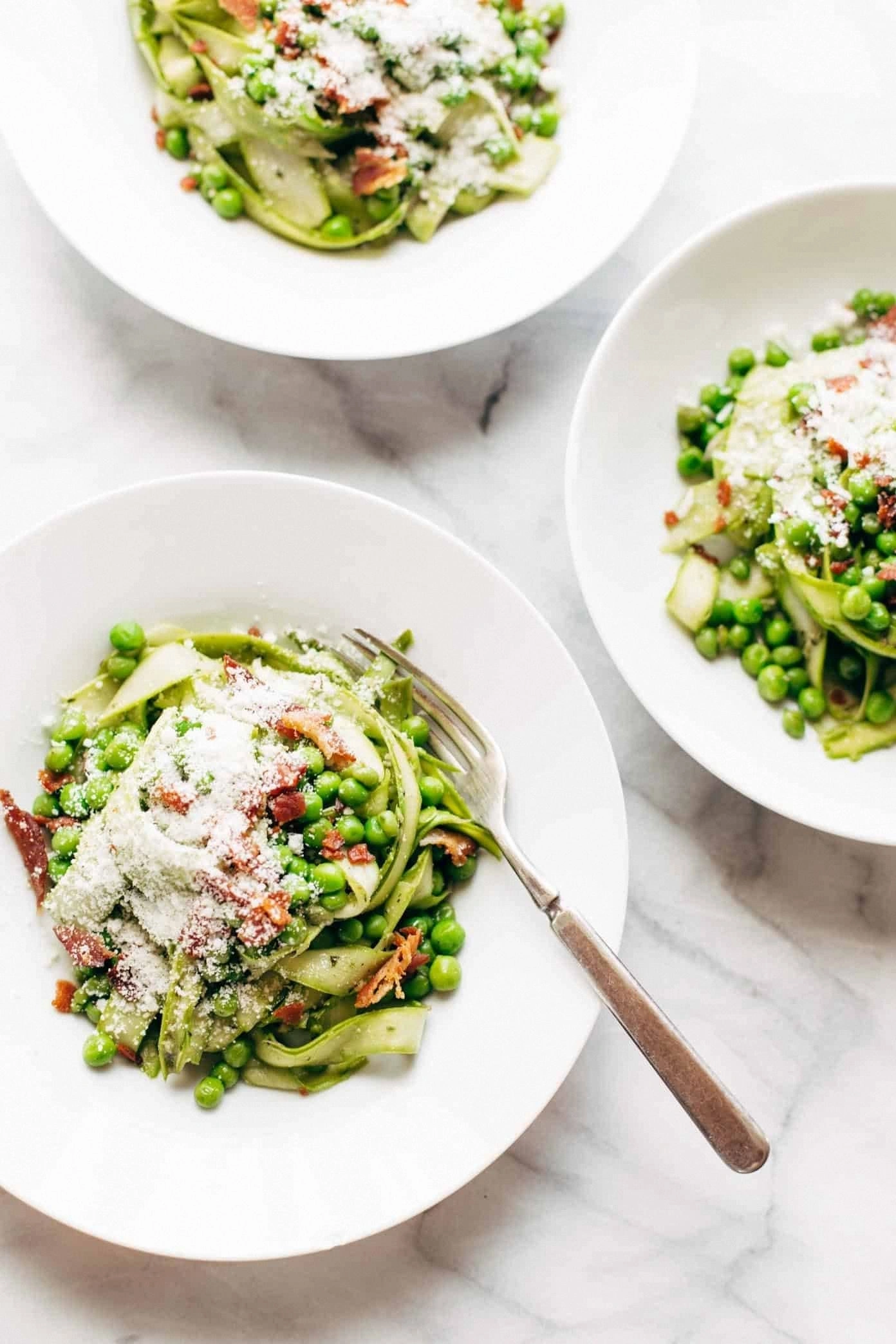
The Method — Step by Step
Bring a large pot of salted water to a rolling boil. Drop in 12 oz of spaghetti and cook until al dente, about 9‑10 minutes. Before draining, reserve a cup of the starchy cooking water; this will be the secret weapon that turns the pesto into a glossy sauce. While the pasta cooks, give the asparagus a quick rinse and trim the woody ends.
While the pasta is bubbling, bring a separate saucepan of water to a boil. Add the asparagus pieces and blanch for exactly 2 minutes — you’ll hear a faint sizzle as the green deepens. Immediately plunge the spears into an ice‑water bath to halt the cooking process and lock in that vibrant color. This shock technique also preserves the crisp texture that makes the dish sing.
Now for the pesto. In a food processor, combine 2 cups of packed basil leaves, 1/3 cup of toasted pine nuts, 2 cloves of peeled garlic, and 1/2 cup of grated Parmesan. Pulse a few times until the ingredients form a coarse paste. While the processor is running, drizzle in 1/2 cup of extra‑virgin olive oil in a slow, steady stream. The result should be a thick, emerald‑green sauce that looks like liquid jade.
Kitchen Hack: Add a splash of the reserved pasta water while blending; this creates a smoother emulsion and prevents the pesto from separating later.Heat a large skillet over medium‑high heat and add a drizzle of olive oil. Toss the blanched asparagus in the pan, letting it sizzle for 2‑3 minutes until the edges start to caramelize and release a nutty aroma. This is the moment of truth — you’ll hear a gentle pop as the spears hit the heat, and the scent should remind you of a fresh spring garden.
Drain the spaghetti, reserving a bit more pasta water if needed. Add the hot noodles straight into the skillet with the asparagus, then lower the heat to medium. Spoon the fresh pesto over the top, using a wooden spoon to toss everything together. The noodles should instantly soak up the sauce, turning glossy and perfectly coated.
Watch Out: If the skillet is too hot, the pesto can scorch, turning bitter. Keep the temperature moderate and add pasta water a tablespoon at a time to keep the sauce smooth.Season with 2 tbsp of lemon juice, a pinch of salt, and freshly cracked black pepper. Taste and adjust — the lemon should give a bright lift, while the salt balances the cheese and pine nuts. If the sauce feels too thick, stir in another splash of pasta water until you achieve a silky, saucy consistency that clings to every strand.
Remove the skillet from the heat and let the dish rest for a minute. This short pause allows the flavors to meld, letting the basil and lemon marry the nutty undertones of the pine nuts. While it rests, grate a little extra Parmesan over the top for a final flourish that adds a salty, umami sparkle.
Plate the noodles in shallow bowls, ensuring each serving gets an even share of asparagus spears. Finish with a drizzle of extra‑virgin olive oil, a sprinkle of toasted pine nuts for crunch, and a final twist of black pepper. Serve immediately while the pasta is still warm and the pesto glistens like a green velvet curtain.
Kitchen Hack: For an extra burst of freshness, zest a bit of lemon over the finished dish; the zest adds aromatic oils without extra acidity.
That’s it — you did it. But hold on, I’ve got a few more tricks that’ll take this to another level. Trust me, the next set of tips will make your pesto noodles the talk of every dinner table you host.
Insider Tricks for Flawless Results
The Temperature Rule Nobody Follows
Never add pesto to a scorching pan. The secret is to let the noodles cool just a touch after draining, then combine them over medium heat. This prevents the basil from darkening and the olive oil from breaking. I once tried a high‑heat toss and ended up with a bitter, brownish sauce — a culinary nightmare that taught me humility.
Why Your Nose Knows Best
Your sense of smell is the ultimate indicator of doneness for both asparagus and pesto. When the asparagus hits the pan, listen for a gentle sizzle and inhale the sweet, earthy aroma; that’s the cue that the spears are caramelizing just right. Likewise, when the pesto becomes glossy and you catch a faint, fresh basil scent, you know it’s emulsified perfectly.
The 5‑Minute Rest That Changes Everything
Allow the combined pasta and sauce to sit off the heat for five minutes before serving. This short rest lets the starches in the pasta absorb the pesto, creating a cohesive flavor that’s richer than the sum of its parts. I once skipped this step in a rush, and the dish felt disjointed, like each component was shouting for attention instead of harmonizing.
Pine Nut Toasting Precision
Toast pine nuts in a dry skillet over low‑medium heat, shaking the pan constantly. You’ll know they’re ready when they turn a light golden hue and release a nutty perfume that fills the kitchen. Over‑toasting turns them bitter, so keep a close eye and be ready to remove them the moment they start to brown.
Lemon Juice Timing
Add lemon juice at the very end of cooking, after the sauce has emulsified. This preserves the bright acidity and prevents the lemon from cooking off, which would otherwise mute its fresh zing. A friend once added the lemon too early, and the sauce tasted flat — a lesson learned the hard way.
Creative Twists and Variations
This recipe is a playground. Here are some of my favorite ways to switch things up:
Spicy Chili Pesto
Add a teaspoon of red‑pepper flakes to the pesto blend for a subtle heat that wakes up the basil. The pepper’s warmth balances the lemon’s brightness, making it perfect for cooler evenings when you crave a little kick.
Creamy Avocado Pesto
Blend half an ripe avocado into the pesto for a richer, creamier texture. The avocado adds a buttery mouthfeel without dairy, and its mild flavor lets the basil shine while adding a gorgeous emerald hue.
Smoky Bacon Asparagus
Crisp up a handful of diced bacon and toss it with the asparagus in step four. The smoky, salty crunch pairs beautifully with the herbaceous pesto, turning the dish into a hearty, indulgent meal.
Whole‑Wheat or Gluten‑Free Noodles
Swap regular spaghetti for whole‑wheat or a gluten‑free rice noodle. The nutty flavor of whole‑wheat adds depth, while rice noodles keep the dish light and suitable for those with gluten sensitivities.
Roasted Tomato Pesto
Roast a handful of cherry tomatoes until they blister, then blend them into the pesto for a sweet, smoky twist. The tomatoes add a subtle acidity that complements the lemon, creating a more complex flavor profile.
Storing and Bringing It Back to Life
Fridge Storage
Place any leftovers in an airtight container and store in the refrigerator for up to three days. Keep the pesto separate from the noodles if possible; this prevents the pasta from soaking up too much sauce and becoming soggy.
Freezer Friendly
Both the pesto and the cooked pasta freeze beautifully. Portion the pesto into ice‑cube trays, freeze, then transfer to a zip‑top bag. For the noodles, toss them lightly with olive oil before freezing. When ready to eat, thaw in the fridge overnight and reheat gently.
Best Reheating Method
Reheat in a skillet over low heat, adding a splash of water or broth to create steam. This revives the sauce’s silky texture without drying out the asparagus. A quick toss for 2‑3 minutes is all you need to bring the dish back to its former glory.