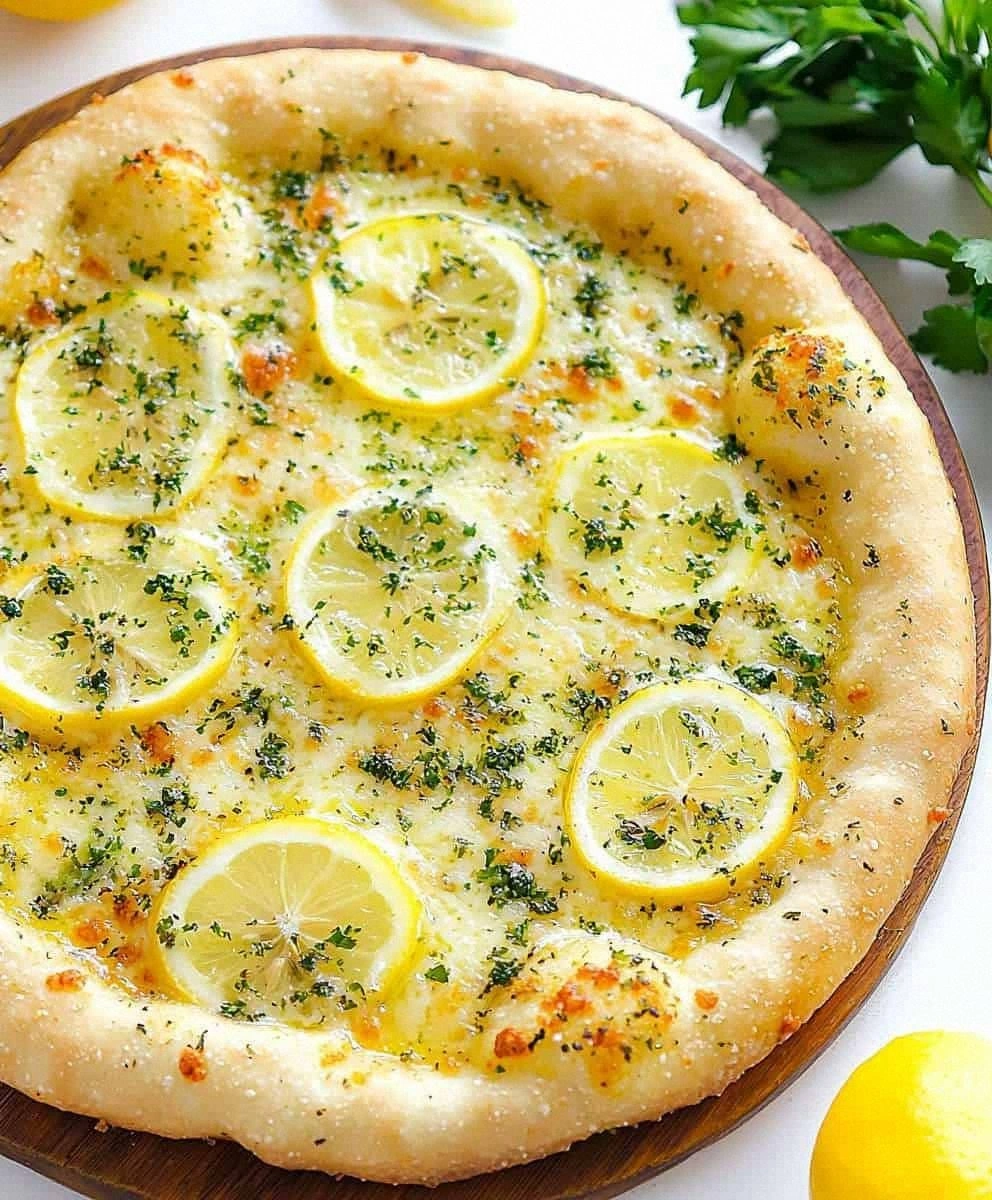
I still remember the first time I tasted Pizza Bianca with Lemon like it was yesterday. It was one of those sweltering July afternoons when the air conditioning in my apartment gave up the ghost, and I was sprawled on the kitchen floor, fanning myself with a pizza menu and cursing the universe for making me live above a bakery that refused to fix its ventilation. In desperation, I called my Roman friend Lucia, who laughed at my suffering and said, "You need something that tastes like sunshine, not sorrow. Make Pizza Bianca with lemon — it's what we eat when the world feels too heavy." Twenty minutes later, I was tearing into the most ethereal pizza I'd ever encountered: no tomato sauce, just a cloud of ricotta, a whisper of mozzarella, paper-thin lemon slices that had caramelized into candied coins, and rosemary that smelled like a Mediterranean hillside. The first bite made me forget the heat, the broken AC, even the fact that I'd been ready to swear off pizza forever after one too many greasy delivery disasters. That sliver of lemon, charred at the edges yet still bright and zingy, was a revelation — like someone had bottled summer and tucked it under a blanket of cheese. I ate the entire thing standing up, lemon juice running down my wrist, and immediately made a second one because I knew I'd never forgive myself if I didn't. Since that day, this pizza has become my party trick, my comfort food, my "I need to impress someone without breaking a sweat" ace in the hole. It looks impossibly elegant, yet it's easier than boiling pasta, and every single person who tries it asks for the recipe before they've swallowed the last bite. Let me walk you through every single step — by the end, you'll wonder how you ever made it any other way.
What Makes This Version Stand Out
Zesty Brightness: While traditional Pizza Bianca leans on rosemary and salt, the addition of lemon transforms it into something that tastes like you bottled Amalfi coast sunshine and baked it onto bread. The citrus cuts through the richness of the cheese, creating a balance so perfect you'll swear off tomato sauce forever.
One-Hour Dough: Most pizza recipes demand overnight fermentation or at least four hours of rising time. Not here. This dough uses a generous helping of olive oil and a touch of honey to create extensibility and flavor in just 60 minutes, which means you can start craving pizza and be eating it before your favorite delivery place even picks up the phone.
Cheese Cloud Technology: Instead of a heavy layer of mozzarella, we whip ricotta with a splash of cream until it spreads like velvet, then dot it with just enough fresh mozzarella to create those Instagram-worthy cheese pulls without the gut-bomb aftermath. The result is a pizza that feels indulgent yet leaves you energized, not comatose.
Lemon Alchemy: Paper-thin slices of lemon — peel, pith, and all — roast into candied coins that burst with sweet-tart flavor. The trick is slicing them so thin you can read the newspaper through them, then tossing them with a pinch of sugar that helps them caramelize rather than scorch.
Herb-Infused Oil: Rather than scattering raw rosemary on top, we steep it in warm olive oil with garlic and black pepper, creating a fragrant drizzle that soaks into the crust and perfumes the entire kitchen with the scent of an Italian herb garden after rain.
Crowd-Pleasing Flexibility: Serve this at a dinner party and watch vegetarians, meat-lovers, and even that one friend who claims to hate lemon all reach for seconds. It's sophisticated enough for adults yet mild enough for kids, and it pairs with everything from crisp white wine to cold beer.
Alright, let's break down exactly what goes into this masterpiece...
Inside the Ingredient List
The Flavor Base
Flour might seem boring, but here it's the difference between a cracker-crisp crust and one with proper chew. Bread flour gives you the gluten strength needed for those gorgeous air bubbles, while a touch of whole wheat flour adds nutty depth that plays beautifully against the lemon. If you only have all-purpose, your pizza will still taste incredible — just expect a slightly more tender, less hole-y crust. The olive oil in the dough isn't optional; it creates a supple, stretchy dough that browns like a dream and tastes faintly fruity even before you add the toppings. Honey feeds the yeast and leaves behind subtle floral notes that make people ask, "What is that amazing flavor?" without being able to pinpoint it.
The Texture Crew
Ricotta is the star here, but not all tubs are created equal. Look for whole-milk ricotta that's thick and spoonable, not watery or grainy. If yours seems loose, line a sieve with cheesecloth and let it drain for 30 minutes while the dough rises — you'll be amazed how much liquid comes out and how much creamier the texture becomes. Fresh mozzarella packed in water brings the classic pizza pull, but you only need a few ounces; think of it as jewelry, not the whole outfit. A quick pat dry prevents the dreaded soggy center that plagues so many white pizzas. The heavy cream we whip into the ricotta might feel indulgent, but it's what transforms the cheese from dense to cloud-like, creating a bed that cradles the lemon without letting it scorch.
The Unexpected Star
Choose lemons with thin, smooth skins — they'll slice thinner and have less bitter pith. Organic matters here since you're eating the peel, but if conventional is all you can find, scrub them vigorously under hot water to remove wax. The sugar toss isn't about sweetness; it jump-starts caramelization, turning the edges into candied lace while the centers stay bright and tart. If you're feeling fancy, Meyer lemons add a floral note, but regular Eureka lemons give that classic sharp zing that makes your lips tingle. One medium lemon is plenty for two pizzas, so buy a couple extra and you'll have everything you need for gin and tonics while the dough rises.
The Final Flourish
Fresh rosemary is non-negotiable — dried tastes like pine needles and will ruin everything. Strip the leaves off the woody stem and give them a quick chop to release the oils, but don't pulverize them into dust. Garlic gets gently warmed in olive oil just until it starts to turn golden, infusing the oil with flavor without the harsh bite of raw allium. Black pepper might seem odd on a white pizza, but its gentle heat bridges the gap between the creamy cheese and the bright lemon. Flaky sea salt sprinkled right before serving adds pops of salinity and crunch that make each bite sing.
Everything's prepped? Good. Let's get into the real action...
The Method — Step by Step
- Start the dough by whisking warm water (about 110°F — think hot tub, not boiling) with honey and yeast. Let it bloom for five minutes while you measure the flours; it should smell like bread and beer and look foamy like the head on a pint. If your yeast doesn't foam, it's dead — start over with fresher yeast or you'll end up with a flat, sad disk instead of a puffy crust. While that's happening, pour the olive oil into a large bowl; you'll add the dough here later and the oil prevents sticking while adding flavor.
- Combine bread flour, whole wheat flour, and salt in the bowl of a stand mixer fitted with the dough hook. Add the foamy yeast mixture and mix on low until a shaggy dough forms, then crank it up to medium and let it knead for eight minutes. The dough should crawl up the hook and slap the sides of the bowl — if it seems dry, add a tablespoon of water; if it's sticking like crazy, dust in a tablespoon of flour. By the end, it should be smooth, elastic, and slightly tacky like a Post-it note that's been stuck to your forehead.
- Drizzle the dough with olive oil, turn to coat, cover with plastic wrap, and park it somewhere warm. Ideal temp is 75-80°F — inside a turned-off oven with the light on works perfectly. In 60 minutes, it should double in size and look like a marshmallow that's been microwaved. If your kitchen is cold, give it 90 minutes; if it's blazing hot, check at 45. The poke test is your friend — gently press with a floured finger; if the indent springs back slowly, you're golden.
- While the dough rises, make the herb oil. Combine olive oil, garlic, rosemary, and pepper in a small saucepan and warm over the lowest possible heat for 10 minutes. You want tiny bubbles around the garlic edges, not a rolling boil — think of it as giving the herbs a relaxing spa bath. Remove from heat and let steep; the oil will turn golden and smell like you've been transported to Liguria. Strain if you're fancy, or leave everything in for rustic charm.
- Prep the lemons by slicing them as thin as humanly possible using a sharp knife or mandoline. Remove any seeds, then toss with sugar and let macerate while you shape the dough. The sugar draws out some juice and starts softening the peel, which means they'll caramelize rather than burn in the oven. If you can read newsprint through a slice, you've nailed it.
- Divide the dough into two balls for 10-inch pizzas or keep it whole for one giant sheet-pan version. On a floured counter, press from the center outward, turning the dough like a steering wheel until you have a rough circle about 1/4-inch thick. Don't stress about perfect shapes — rustic is charming and tastes identical. If it keeps springing back, let it rest for five minutes to relax the gluten, then continue.
- Transfer dough to a parchment-lined baking sheet or preheated stone. Brush generously with the herb oil, going all the way to the edges — this creates the golden, crispy crust that shatters like thin ice. Dollop the whipped ricotta in big spoonfuls, then tear the mozzarella into grape-sized pieces and nestle them between. Arrange lemon slices artfully, letting them overlap slightly like fish scales. They'll shrink as they roast, so be generous.
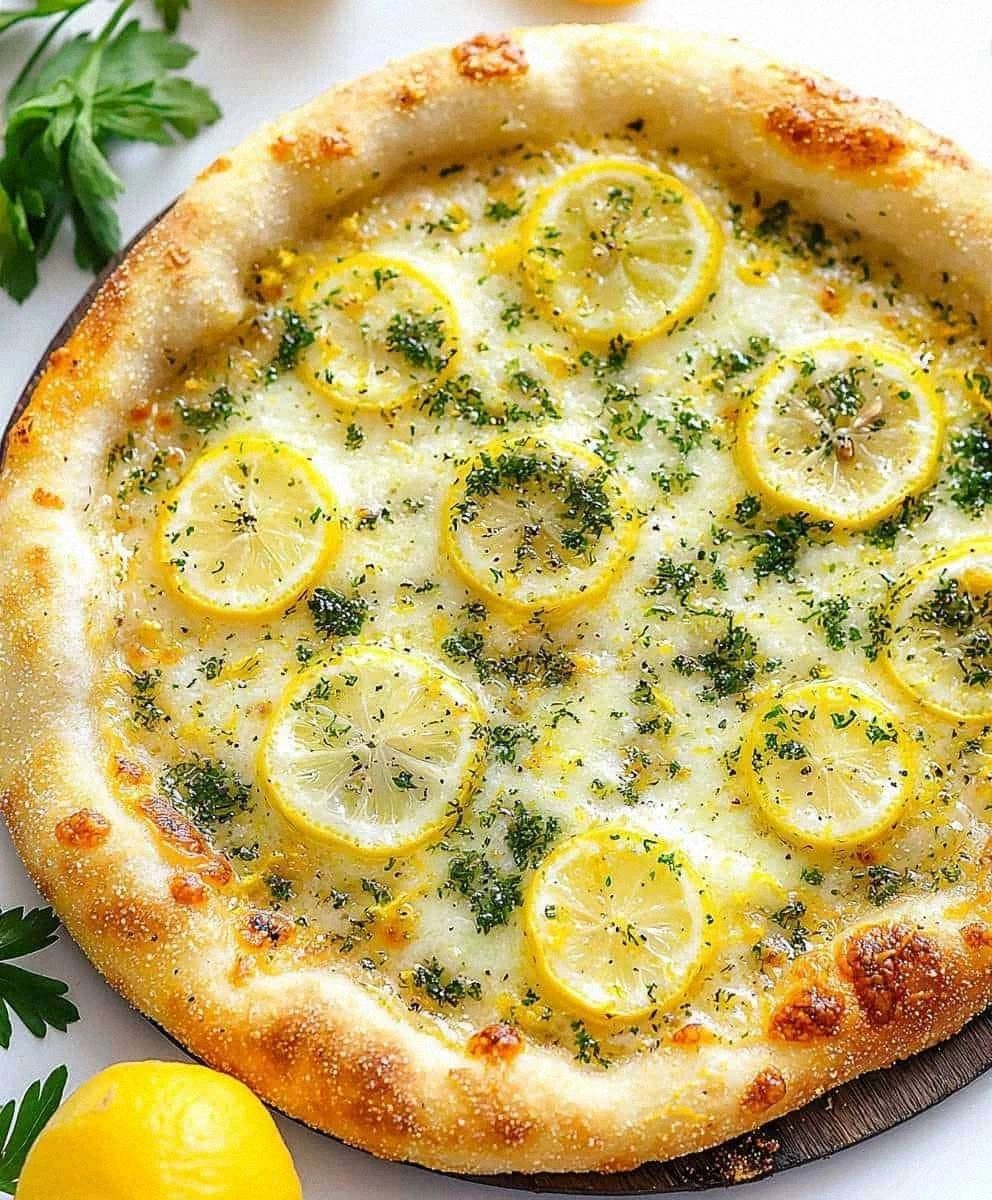
- Bake in a screaming hot oven — 475°F is the sweet spot for home ovens. The pizza needs 12-15 minutes, but start checking at 10. You're looking for deep golden edges, leopard spots on the bottom, and lemons that have turned translucent with charred tips. If the top browns before the bottom crisps, move the rack lower or finish under the broiler for 30 seconds. That moment when the cheese bubbles and the lemons blister? Pure magic.
- Remove from oven and let rest for five minutes — this is the hardest part but crucial for the cheese to set. Drizzle with more herb oil, shower with flaky salt, and add a crack of black pepper. Slice into wedges or strips and serve immediately while the crust is still singing. The first bite should be hot enough to burn your tongue slightly, cool enough that you don't stop, and so delicious you immediately start planning the next one.
That's it — you did it. But hold on, I've got a few more tricks that'll take this to another level...
Insider Tricks for Flawless Results
The Temperature Rule Nobody Follows
Your oven needs to be hot enough to make you nervous — 475°F minimum, 500°F if your oven can handle it without setting off the smoke alarm. Preheat for at least 30 minutes with the stone or sheet inside so everything is nuclear-hot. A friend once asked why her crust was pale and soggy; turns out she was baking at 400°F because she was scared of the heat. Pizza is not timid — embrace the inferno and you'll be rewarded with leopard-spotted bottoms and puffy edges that look like they came from a Naples street vendor.
Why Your Nose Knows Best
The herb oil is done when your kitchen smells like you've been transported to an Italian hillside — usually around the 10-minute mark. If you find yourself closing your eyes and inhaling deeply, it's ready. Trust your senses over the clock; garlic can go from mellow to acrid in 30 seconds, and once it's bitter, no amount of cheese can save you. I've made this mistake and had to start over while guests were arriving; learn from my hubris and pull it early rather than late.
The 5-Minute Rest That Changes Everything
I know, I know — hot pizza is calling your name and you're starving. But those five minutes of resting time allow the cheese to set so you get clean slices instead of a molten slide that dumps toppings onto the cutting board. The crust also finishes crisping as steam escapes, turning what might seem slightly soft into shatteringly crisp perfection. Use the time to pour drinks, set the table, or just hover over the pan inhaling the lemon-rosemary perfume like a very specific aromatherapy session.
Cheese Distribution Secrets
Don't spread the ricotta like frosting — drop it in big spoonfuls so you get pockets of creaminess interspersed with areas where the dough browns directly. The contrast between soft cheese and crisp crust is what makes each bite interesting. Think of it like chocolate chips in cookies — you want some in every bite, but not a solid layer. The mozzarella goes on last in small pieces so it melts into appealing puddles rather than a rubbery sheet.
Lemon Slice Consistency
Uniform thickness is key for even caramelization. If some slices are thick and others paper-thin, you'll end up with burnt edges and raw centers. Stack similar-sized slices together and add the thickest ones first so they get a head start in the oven. And don't crowd them — they need space for hot air to circulate and work its caramelizing magic. Picture yourself arranging jewelry on velvet; each piece should shine individually while contributing to the whole display.
Creative Twists and Variations
This recipe is a playground. Here are some of my favorite ways to switch things up:
Meyer Lemon & Honey Drizzle
Swap regular lemons for sweeter Meyer variety and finish with a zigzag of warm honey right out of the oven. The honey melts into the cheese and creates a sweet-savory profile that's absolutely addictive. Add a sprinkle of crushed red pepper for heat that blooms as you eat, turning each bite into a rollercoaster of flavor. This version disappears fastest at brunch where it pairs shockingly well with mimosas.
Smoked Mozzarella & Thyme
Replace fresh mozzarella with smoked for a campfire twist that makes the whole pizza taste like it was baked in a wood-fired oven. Swap rosemary for thyme leaves — they get crispy and taste like popcorn, creating little herb chips scattered across the top. A final grate of lemon zest after baking adds brightness that cuts through the smoke like sunshine through clouds.
Burrata & Arugula Finish
Skip the ricotta entirely and bake the crust with just lemon and olive oil. As soon as it comes out, top with a ball of burrata that melts into creamy rivers, then shower with baby arugula dressed in lemon juice and olive oil. The hot-cold contrast and peppery greens turn this into a salad-pizza hybrid that's perfect for hot nights when you want something substantial yet refreshing.
Fig Jam & Prosciutto
Add tiny dollops of fig jam under the cheese for pockets of sweetness that play against the tart lemon. After baking, drape thin slices of prosciutto over the top so the heat warms it through but leaves it silky, not crisp. The sweet-salty-citrus combination tastes like a sophisticated cheese board that happens to be on pizza dough, and it pairs beautifully with chilled Lambrusco.
Garlic Scape & Ricotta Salata
In spring, swap the herb oil for one infused with garlic scapes — they give a greener, fresher garlic flavor that screams "seasonal cooking." Crumble ricotta salata (the pressed, aged version) over the top after baking for salty, milky shards that melt on your tongue. Lemon slices become optional here; instead, finish with a squeeze of fresh juice for brightness without the candied texture.
Truffle Oil & Chive Blossoms
For a fancy dinner party version, add a few drops of white truffle oil to the herb oil and scatter chive blossoms over the top right before serving. The flowers add purple confetti and a delicate onion flavor that makes people feel like they're dining at a Michelin-starred restaurant, even if you're eating off paper plates in your backyard. Warning: this version will make you temporarily insufferable as you explain the provenance of your truffle oil to anyone who will listen.
Storing and Bringing It Back to Life
Fridge Storage
Leftovers happen, though rarely in my house. Once cooled, store slices in an airtight container with parchment between layers to prevent sticking. It keeps for up to four days, but honestly, after two days the lemon peel starts tasting tired and the crust loses its snap. If you know you won't finish it, consider freezing individual slices instead of letting it languish in the fridge like so many good intentions.
Freezer Friendly
This pizza freezes beautifully — something I discovered after making six for a party that got rained out. Wrap individual slices tightly in plastic wrap, then foil, and freeze for up to two months. The lemon slices maintain their texture better than you'd expect, though they lose some of their bright color. Label with the date because frozen pizza has a way of becoming mysterious after a few months, and no one wants to play "guess the vintage" at midnight.
Best Reheating Method
Skip the microwave unless you enjoy soggy crusts that taste like despair. Instead, place slices on a preheated baking sheet in a 400°F oven for 5-7 minutes until the bottom crisps and the cheese melts. For extra revival, add a tiny splash of water to the pan — it creates steam that rehydrates the toppings without making the base soggy. If you're in a hurry, a dry skillet over medium heat works wonders: place the slice cheese-side up, cover with a lid, and let the bottom crisp while the top steams for three minutes of pure magic.