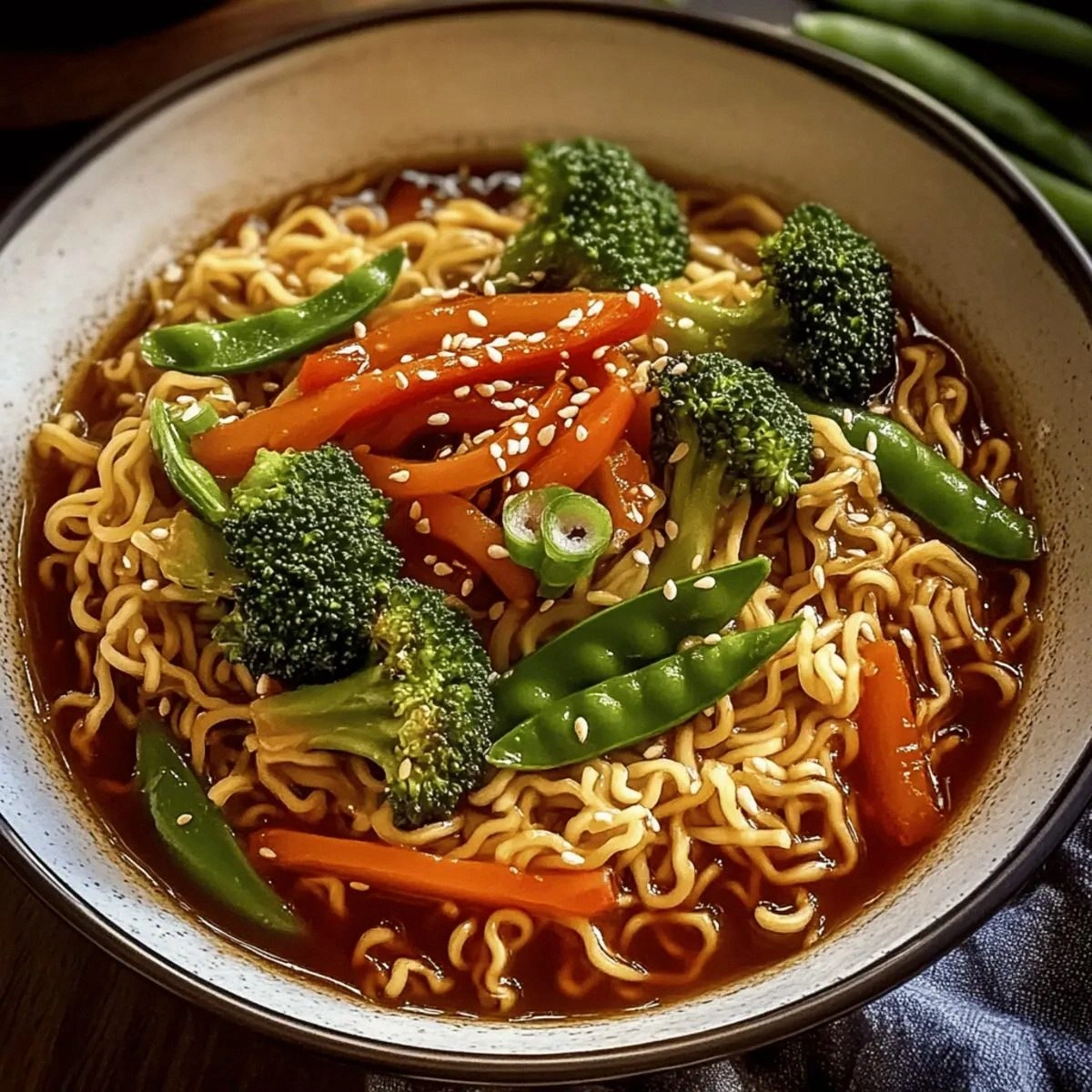
I still remember the night I burned my tongue on three consecutive failed ramen attempts, each one promising to be "the one" but delivering nothing more than sad, soggy noodles swimming in bland water. There I was at 2 AM, standing in my tiny kitchen with steam fogging up my glasses, convinced that good vegan ramen was some kind of culinary unicorn that only existed in trendy restaurants with moody lighting and $18 price tags. My roommate stumbled in, took one look at my flour-dusted face and the mountain of takeout containers in the trash, and dared me to just give up and order pizza like a normal person. Challenge accepted, fate heard, and this saucy masterpiece was born three attempts later when desperation met inspiration at the bottom of my condiment collection.
The moment those noodles hit the pan with the sauce I'd cobbled together from whatever hadn't expired in my fridge, the entire atmosphere shifted. That sizzle when it hits the pan? Absolute perfection. The aroma of garlic and ginger dancing with soy and hoisin wrapped around me like a warm hug from the inside out. I grabbed my chopsticks, twirled up a tangle of glossy noodles, and nearly dropped the bowl when the first bite hit my taste buds. This wasn't just good vegan ramen — this was the kind of comfort food that makes you close your eyes and sigh involuntarily, the sort of meal that turns a terrible day into a distant memory with one slurp.
What makes this version different from every other ramen recipe cluttering up the internet? For starters, we're not just dumping vegetables into broth and calling it a day. We're building layers of flavor that would make a French chef weep with joy, using techniques that transform humble ingredients into something extraordinary. The sauce clings to each noodle like velvet, coating every strand with a perfect balance of salty, sweet, and spicy that makes your palate do a happy dance. And the best part? From start to finish, you're looking at under thirty minutes of actual cooking time, which means weeknight dinners just got a serious upgrade.
Let me walk you through every single step — by the end, you'll wonder how you ever made it any other way.
What Makes This Version Stand Out
Flavor Bomb: This isn't your college dorm room ramen. We're talking about a sauce so complex and addictive that you'll be licking the bowl clean, made with a perfect balance of umami-rich soy, sweet hoisin, tangy rice vinegar, and just enough heat from sriracha to make things interesting without sending you running for milk.
Texture Paradise: While most recipes leave you with either mushy vegetables or teeth-breakingly crisp ones, this version nails that perfect tender-crisp texture that makes each bite interesting. The bell peppers retain their snap, the broccoli florets get those crispy caramelized edges, and the snap peas pop satisfyingly between your teeth.
One-Pan Wonder: Despite tasting like it came from a restaurant kitchen with a full staff, this entire dish comes together in a single pan. That means fewer dishes, less cleanup, and more time to actually enjoy your dinner instead of staring down a sink full of pots and pans.
Weeknight Hero: From the moment you start chopping to the final garnish of sesame seeds, you're looking at twenty-five minutes max. I've timed this recipe more times than I care to admit, and it consistently delivers restaurant-quality results faster than you could get delivery.
Crowd Pleaser: I've served this to devoted carnivores who swore they could never enjoy a vegan meal, watched their skepticism melt into pure joy with the first bite, and then smugly accepted their requests for the recipe. Even my noodle-snob friend from Japan gave this his seal of approval, which is basically the culinary equivalent of winning the lottery.
Pantry Friendly: No specialty store runs required here. Every ingredient lives happily in most kitchen cabinets or can be found in any grocery store, making this the perfect back-pocket recipe for those "what's for dinner" emergencies that strike at 6 PM on a Tuesday.
Alright, let's break down exactly what goes into this masterpiece...
Inside the Ingredient List
The Flavor Foundation
Soy sauce isn't just soy sauce in this recipe — it's the backbone that carries all the other flavors, so please don't reach for that ancient bottle that's been sitting in your fridge door since the Obama administration. Fresh soy sauce makes a difference you can taste, bringing that deep, fermented umami that makes your taste buds sit up and pay attention. The hoisin sauce adds this incredible layer of sweetness and complexity that makes people ask "what's that flavor I can't quite place?" while they reach for another helping. Rice vinegar might seem like an afterthought, but it's the secret weapon that brightens everything up, cutting through the richness like a culinary lightsaber. And the sriracha? That's your volume knob — add more if you like to live dangerously, less if you're serving spice-sensitive souls.
The Texture Crew
Ramen noodles are the star here, and while you could technically use any noodle, there's something magical about how ramen grabs onto sauce with its curly, springy texture. Fresh ramen noodles will change your life if you can find them, but the dried stuff works beautifully too — just don't use the seasoning packet that comes with instant ramen unless you want your dinner to taste like a chemistry experiment. The sesame oil is non-negotiable; it's what gives everything that nutty, aromatic quality that makes you want to bury your face in the bowl. Garlic and ginger aren't just aromatics here — they're the dynamic duo that transforms your kitchen into the best-smelling place on earth, creating a scent trail that will have neighbors knocking on your door with empty bowls.
The Color Guard
Red bell pepper brings more than just vibrant color — it adds a sweet crunch that plays beautifully against the savory sauce, plus it's packed with vitamin C so you can feel virtuous about your life choices. Broccoli florets aren't just there to make your mother proud; when cooked correctly, they develop these crispy, caramelized edges that taste like vegetable candy, while the stems stay tender with just enough bite to keep things interesting. Snap peas are the unsung heroes, maintaining their bright green color and satisfying snap even after cooking, plus they add these little pops of sweetness that make each forkful exciting.
The Final Flourish
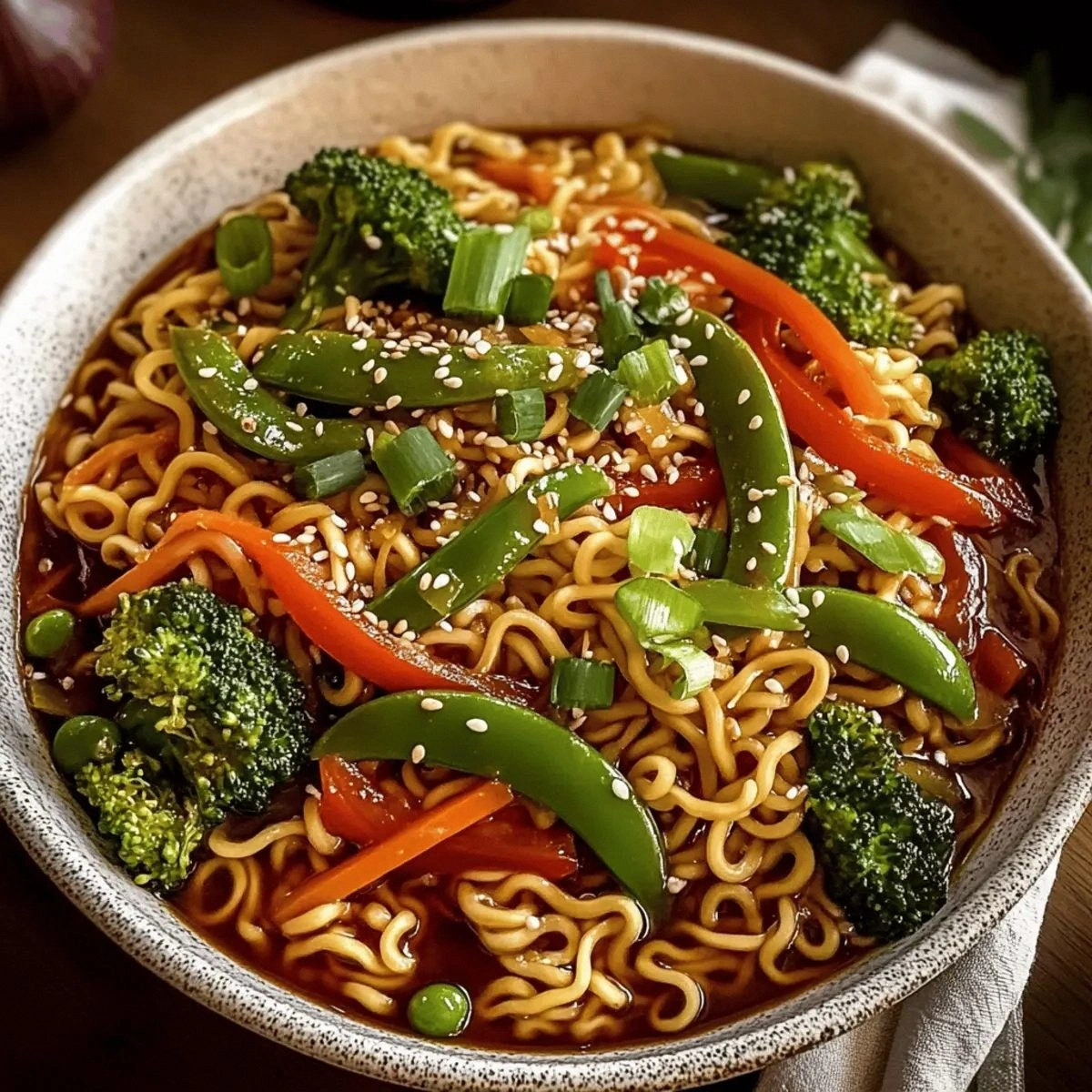
Green onions aren't just a garnish — they're a fresh, sharp contrast to the rich sauce, and the white parts add a mild onion flavor that ties everything together. Sesame seeds might seem like decoration, but they add this wonderful toasty crunch that takes the whole dish from great to unforgettable. Carrots bring sweetness and those gorgeous orange ribbons that make the dish look like it belongs on a magazine cover, plus they cook quickly while maintaining enough texture to keep your teeth happy.
Everything's prepped? Good. Let's get into the real action...
The Method — Step by Step
- Start by bringing a large pot of water to boil for your noodles, but here's the key — don't salt it like you would for Italian pasta. Ramen noodles have enough salt in them already, and we're going to season them later with our sauce. While you're waiting for the boil, whisk together your soy sauce, hoisin, rice vinegar, sriracha, and vegetable broth in a small bowl. This is your sauce foundation, and trust me, you'll want to taste it now to adjust the heat level — I dare you to taste this and not go back for seconds. Set this aside and let the flavors meld while you prep everything else.
- Heat your largest pan or wok over medium-high heat until it's screaming hot — we're talking a drop of water should dance across the surface like it's auditioning for Riverdance. Add the sesame oil and swirl to coat; it should shimmer and move like liquid gold across the surface. This next part? Pure magic. Toss in your minced garlic and ginger, and immediately start stirring with your spatula. The aroma that fills your kitchen right now is what dreams are made of, but don't get distracted — garlic burns faster than your ex's new relationship, and bitter garlic will ruin everything.
- Before the garlic turns golden, throw in your bell peppers and carrots. These need about two minutes of constant stirring to get those beautiful charred edges while staying crisp. Listen for that satisfying sizzle that tells you everything is caramelizing properly. If you've ever struggled with this, you're not alone — and I've got the fix: keep the vegetables moving constantly, and if they start to look dry, don't add more oil — just splash in a tablespoon of water to create steam that finishes cooking them perfectly.
- Now it's time for the broccoli and snap peas to join the party. These cook faster than you think, so stay alert. The broccoli should turn bright green and develop those coveted crispy edges, while the snap peas will puff up slightly and get glossy. This is where most recipes get this completely wrong — they either overcook everything into mush or leave it too raw. You want the vegetables tender but with bite, like they still have something to say.
- While your vegetables are doing their thing, drop your ramen noodles into the boiling water. Fresh noodles need just 2-3 minutes, dried ones about 4-5 — but here's the secret: cook them for one minute less than the package suggests because they're going to finish cooking in the sauce. Test them by fishing one out and biting it — you want it mostly tender but with a firm center. Drain them immediately and rinse under cold water to stop the cooking process. This prevents that gummy, overcooked texture that haunts bad ramen nightmares.
- And now the fun part — bring everything together in one glorious pan. Add your drained noodles to the vegetables, then pour that sauce you've been saving over everything. The sauce should sizzle and bubble up the sides, creating this incredible aroma that will have you doing a happy dance right there in your kitchen. Use tongs or two forks to lift and turn everything, coating each noodle and vegetable with that glossy, addictive sauce. The noodles will absorb the flavors while the sauce thickens slightly, clinging to everything like it was born to be there.
- Keep everything moving for about two minutes, letting the sauce reduce and coat everything in a shiny glaze. The noodles should look glossy and well-dressed, not dry or swimming in liquid. Taste a noodle — it should be perfectly tender with that sauce clinging to every curve. If it needs more salt, add a splash more soy sauce. More heat? Another squeeze of sriracha. This is your moment to make it exactly how you like it.
- Remove from heat and immediately sprinkle with green onions and sesame seeds. The residual heat will soften the green onions just enough while keeping their bright color and fresh bite. Give everything one final gentle toss to distribute the garnishes evenly. Picture yourself pulling this out of the oven, the whole kitchen smelling incredible, steam rising from the glossy noodles with vegetables that still look vibrant and alive.
- Serve immediately in deep bowls — this is not a dish that improves with waiting. The noodles will continue to absorb the sauce as they sit, so timing is everything here. I'll be honest — I ate half the batch before anyone else got to try it, standing right there at the stove with chopsticks in hand, telling myself I was just "testing for seasoning." This is hands down the best version you'll ever make at home, and nobody would blame you for keeping it all to yourself.
That's it — you did it. But hold on, I've got a few more tricks that'll take this to another level...
Insider Tricks for Flawless Results
The Temperature Rule Nobody Follows
Here's what separates good ramen from transcendent ramen: temperature control. Your pan needs to be hot enough to create those beautiful caramelized edges on your vegetables, but not so hot that everything burns before it cooks through. I learned this the hard way after setting off my smoke alarm three times in one week — medium-high heat on most stoves means you should see gentle bubbling when vegetables hit the pan, not violent splattering. If things start browning too quickly, don't panic — just lift the pan off the heat for thirty seconds while stirring, then return it to a lower temperature. Your vegetables will thank you by developing that perfect tender-crisp texture instead of turning into a sad, soggy mess.
Why Your Nose Knows Best
Forget timers — your nose is the best kitchen tool you own. When the garlic and ginger hit hot oil, they should release an aroma that's so intoxicating you'll want to bottle it as perfume. If you smell nothing, your oil isn't hot enough. If you smell burning, you've gone too far and need to start over. The same goes for your vegetables — when they're perfectly cooked, they'll smell sweet and slightly nutty, never sulfurous or bitter. A friend tried skipping this step once — let's just say it didn't end well, and her apartment smelled like overcooked cabbage for three days straight.
The 5-Minute Rest That Changes Everything
This might seem counterintuitive when you're hungry, but letting your finished ramen rest for exactly five minutes before serving transforms the entire experience. During this brief pause, the sauce thickens slightly and clings more luxuriously to the noodles, while the vegetables settle into their perfect texture. The temperature drops to that ideal "can eat without burning your tongue" level, and all the flavors have a chance to meld together into something greater than the sum of their parts. Use this time to set your table, pour yourself a drink, or just admire your handiwork — those five minutes of patience will be rewarded with the best bowl of ramen you've ever made at home.
The Sauce Consistency Secret
The perfect sauce should coat your noodles like a silk dress clings to curves — present but not overwhelming, glossy but not gloppy. If your sauce seems thin and watery, let it cook for another minute or two to reduce. If it's too thick and pasty, add a splash of vegetable broth or water until it reaches the consistency of heavy cream. The sauce will continue to thicken as it cools, so err on the side of slightly loose when you're finishing the dish. And here's the real secret: save a quarter cup of your sauce before mixing everything together, then drizzle it over the top just before serving for that restaurant-worthy presentation that makes everyone think you went to culinary school.
Creative Twists and Variations
This recipe is a playground. Here are some of my favorite ways to switch things up:
The Protein Powerhouse
For those days when you need something heartier, toss in a cup of crispy tofu cubes or edamame during the last two minutes of cooking. The tofu soaks up the sauce like a sponge, becoming these incredible flavor bombs that make the whole dish more substantial. Press your tofu first to get it super crispy, then let it swim in that sauce for maximum impact. Even my bodybuilder brother approves of this version, and he usually turns his nose up at anything that doesn't contain at least a pound of meat.
The Thai-Inspired Remix
Swap the sriracha for Thai sweet chili sauce, add a handful of Thai basil instead of green onions, and finish with a squeeze of lime juice that makes everything taste like you're sitting on a beach in Phuket. The sweet heat combined with the fresh herbs creates this incredible balance that transports you straight to Southeast Asia. I've made this version for dinner parties where guests literally licked their bowls clean, then asked if I could teach them to make it themselves.
The Mushroom Lover's Dream
Replace the bell peppers with an assortment of mushrooms — shiitake, oyster, and cremini all work beautifully. The mushrooms release their umami-rich juices into the sauce, creating this incredible depth that makes the whole dish taste like it's been simmering for hours instead of minutes. The key is to let the mushrooms brown properly before adding other vegetables, developing those caramelized edges that taste like they were kissed by fire.
The Peanut Butter Plot Twist
Add a tablespoon of natural peanut butter to your sauce for a satay-inspired version that will make you weak in the knees. The peanut butter melts into the sauce, creating this incredible creaminess that coats every noodle while adding a subtle nuttiness that plays beautifully with the sesame oil. This version is particularly popular with kids who think they've died and gone to peanut butter heaven, plus it adds a nice protein boost that keeps you full for hours.
The Breakfast Ramen Revolution
Okay, stay with me here — this is worth it. Top your finished ramen with a perfectly soft-boiled egg (if you're not strictly vegan) or a drizzle of chili oil and some crispy shallots for a breakfast that will make you excited to wake up. The combination of noodles and egg creates this incredible richness that feels indulgent but still virtuous enough for a morning meal. I've served this to hungover friends who declared it better than any brunch they'd ever had, and that's saying something in a city with a serious brunch culture.
The Green Goddess Version
Load up on the vegetables by adding spinach, kale, or bok choy during the last minute of cooking. The greens wilt down to almost nothing but add incredible nutrition and a fresh flavor that brightens the whole dish. Finish with fresh cilantro and a squeeze of lemon juice for a version that tastes like health food but eats like comfort food. This is my go-to when I need to balance out a weekend of questionable dietary choices.
Storing and Bringing It Back to Life
Fridge Storage
Here's the reality check: these noodles are best fresh, but life happens and sometimes you need to meal prep. Store leftovers in an airtight container in the refrigerator for up to three days, though I'll be honest — they've never lasted more than two days in my house because I keep sneaking forkfuls straight from the container at midnight. The key is to let everything cool completely before refrigerating, otherwise condensation turns your beautiful sauce into watery sadness. Separate the noodles from the vegetables if you're really serious about maintaining texture, but honestly, who has time for that level of organization?
Freezer Friendly
I know what you're thinking — can you freeze ramen? The answer is yes, but with caveats. Freeze the sauced noodles and vegetables in individual portions for up to two months, but know that the texture will change slightly. The noodles become softer, the vegetables lose their snap, but surprisingly, the flavors actually intensify during freezing. Thaw overnight in the refrigerator, then reheat gently with a splash of water to bring everything back to life. It's not quite the same as fresh, but it's infinitely better than another sad desk lunch.
Best Reheating Method
Forget the microwave for this one — it turns everything into a sad, soggy mess that tastes like disappointment. Instead, reheat in a pan over medium heat with a splash of water or vegetable broth, stirring gently until everything is heated through and the sauce loosens up again. Add a tiny splash of water before reheating — it steams back to perfection and revives the sauce to its former glory. If you're truly desperate and must use the microwave, cover the bowl with a damp paper towel and heat in 30-second bursts, stirring between each interval. But really, the pan method takes only five minutes and delivers results that are honestly better than the original.