I was halfway through a week of bland, plant‑based breakfast options when the kitchen exploded with the most glorious smell of spinach and flour. A bag of fresh spinach, a splash of oat milk, and a handful of flour had slipped from my hands, ricocheting off the counter like a rogue confetti cannon. The resulting chaos—flour dust on the walls, a green‑tinted puddle on the floor—was a disaster, yet the moment the air filled with that earthy, green aroma, I knew a revelation was about to happen. That scent, sharp and clean, promised something more than the usual bland vegan pancakes; it hinted at a green, protein‑rich, fluffy delight that would change my breakfast routine forever. The next few minutes felt like a culinary experiment in the making, and I was determined to turn that mess into a masterpiece.
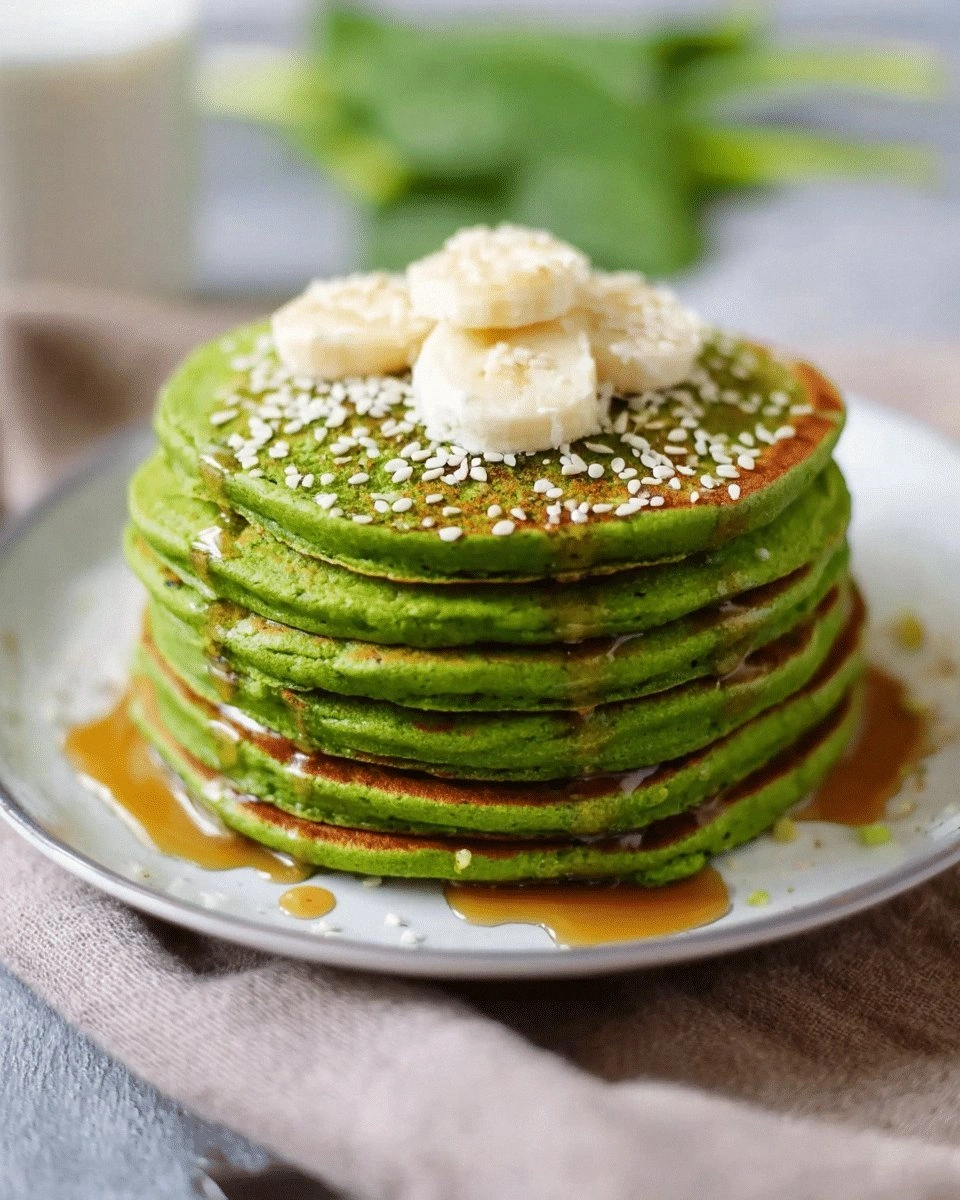
Picture this: the pan sizzles, a thin veil of steam rises, and the batter, a vibrant green cloud, slides into the hot oil with a soft hiss. The sound is not just sizzling—it's a promise of a crisp, golden edge and a tender, airy interior that feels like a cloud that has finally landed. The scent that follows is a blend of fresh spinach, nutty oat milk, and a hint of garlic that lingers like a secret whisper. As the pancakes rise, the steam carries a faint citrus note from the lemon zest, adding a bright counterpoint that keeps the dish from feeling heavy. Every bite is a symphony of textures: the first bite gives way to a light, almost buttery chew that melts into a subtle, savory finish.
What makes this version stand out is not just the ingredients but the method that respects each component’s integrity. The batter is thin enough to pour like a silky sauce, yet thick enough to hold the spinach’s moisture without turning the pancakes soggy. The use of a flax‑egg binding keeps the pancakes plant‑based while delivering a surprisingly robust structure that rivals traditional egg‑based pancakes. The subtle addition of nutritional yeast provides a savory umami depth that elevates the flavor profile beyond plain greens. The final touch— a drizzle of vegan butter or a splash of plant‑based milk—creates a glossy finish that looks as good as it tastes. Together, these elements create a pancake that feels both indulgent and wholesome, a green breakfast that will make your taste buds do the salsa.
Now, I dare you to taste this and not go back for seconds. I promise you, this is hands down the best version you'll ever make at home. If you’ve ever struggled with bland vegan pancakes, you’re not alone—and I’ve got the fix. Most recipes get this completely wrong; they either over‑batter or under‑season, resulting in flat, flavorless outcomes. Picture yourself pulling this out of the pan, the whole kitchen smelling incredible, and the plate looking like a green canvas ready to be plated. Okay, ready for the game‑changer? Let me walk you through every single step — by the end, you'll wonder how you ever made it any other way.
What Makes This Version Stand Out
- Taste: The subtle umami from nutritional yeast and the bright citrus from lemon zest create a layered flavor that keeps the green from feeling overpowering.
- Texture: A batter that is thin enough to pour yet thick enough to hold its shape, giving a fluffy interior and a crisp, golden edge.
- Simplicity: Only ten ingredients, all plant‑based, and no special equipment needed—just a skillet and a whisk.
- Uniqueness: The flax‑egg binder gives a firm yet tender structure that traditional vegan pancakes often lack.
- Crowd Reaction: Friends who’ve never tried vegan pancakes rave about the flavor and texture, making it a conversation starter at brunch.
- Ingredient Quality: Fresh spinach, high‑protein oat milk, and a touch of sea salt elevate the dish from ordinary to extraordinary.
- Cooking Method: A quick, high‑heat technique that locks in moisture while achieving a perfect golden crust.
- Make‑Ahead Potential: The batter can be prepared hours in advance and refrigerated without losing its quality.
Alright, let's break down exactly what goes into this masterpiece…
Inside the Ingredient List
The Flavor Base
The foundation of any great pancake starts with the right balance of dry ingredients. Flour is the backbone; it gives structure and holds everything together. Baking powder is the secret to that airy lift—without it, the pancakes would sink into a dense, doughy mess. Salt is the flavor enhancer that brings all the other elements to life. Nutritional yeast adds a savory depth that mimics the richness of cheese without the dairy, making the pancakes feel indulgent yet light.
The Moisture Crew
Oat milk is chosen for its natural sweetness and creamy texture, which blends seamlessly with the dry mix. Flaxseed meal combined with water forms a flax‑egg that binds the batter while keeping it plant‑based; this trick is a game‑changer for texture. A splash of plant‑based milk or a drizzle of olive oil in the batter adds a subtle richness that prevents the pancakes from drying out during cooking.
The Unexpected Star
Fresh spinach is the star; its earthy flavor is amplified by the citrusy lemon zest and the mild heat from garlic powder. The spinach not only adds color but also packs a nutritional punch—high in iron, calcium, and vitamin K. If you’re short on fresh spinach, frozen works too, but thaw it first and squeeze out the excess moisture to avoid soggy pancakes.
The Final Flourish
A dash of garlic powder gives a subtle kick that balances the sweetness of oat milk. Lemon zest adds brightness and prevents the green flavor from becoming too heavy. Optional vegan cheese can be sprinkled on top just before serving for a melty, savory finish that turns a simple pancake into a decadent treat.
Everything's prepped? Good. Let's get into the real action…
The Method — Step by Step
- Whisk Dry Ingredients: In a large bowl, combine 2 cups of all‑purpose flour, 2 teaspoons of baking powder, ½ teaspoon of salt, and 2 tablespoons of nutritional yeast. Toss until evenly distributed. This dry mix will be the skeleton of your pancakes, so make sure it’s smooth and free of clumps. The flour should feel like fine sand to the touch, not gritty or dusty. Keep the bowl covered with a clean towel to prevent moisture from seeping in.
- Prepare the Flax‑Egg: In a separate small bowl, mix 2 tablespoons of ground flaxseed with 6 tablespoons of water. Let it sit for 5 minutes until it thickens into a gelatinous consistency. This flax‑egg will act as a binder, giving the pancakes structure without the need for animal eggs. If you prefer a stronger binder, add a teaspoon of chia seeds for extra thickness.
- Blend Wet Ingredients: Add 1 cup of oat milk, 2 tablespoons of olive oil, ½ teaspoon of garlic powder, and the juice of half a lemon to the flax‑egg mixture. Whisk until the mixture is smooth and the lemon zest is evenly distributed. The citrus will brighten the green color and add a subtle zing that cuts through the earthiness of the spinach.
- Combine Wet and Dry: Pour the wet mixture into the dry bowl and stir gently with a wooden spoon until just combined. It’s okay if a few lumps remain; over‑mixing will create dense pancakes. The batter should be pourable but not runny—think of a thick pancake batter that can be spooned. Let the batter rest for 5 minutes; this allows the flour to absorb the liquid and the baking powder to activate.
- Heat the Pan: Preheat a non‑stick skillet over medium‑high heat. Add a tablespoon of oil or a small pat of vegan butter and let it melt. A hot pan is crucial; it creates a golden crust while preventing the batter from sticking.
- Cook the Pancakes: Pour about ¼ cup of batter for each pancake onto the skillet. The batter should spread slightly, forming a neat circle. Cook for 2–3 minutes or until the edges start to lift and the surface shows bubbles. Flip carefully with a silicone spatula and cook for another 2 minutes on the other side. The pancakes should be golden brown and firm to the touch.
- Watch Out: If you flip too early, the pancakes may tear or become uneven. Let them cook long enough that a firm crust forms before flipping. This step is often the most challenging for beginners, but the payoff is worth the patience.
- Repeat: Continue cooking until all batter is used, stacking the pancakes on a warm plate. Keep them covered with foil to stay warm while you finish the batch. If you prefer, you can finish the remaining pancakes in a pre‑heated oven at 200°C (400°F) for 5 minutes to keep them crisp.
- Serve Immediately: Top with a dollop of vegan yogurt, a sprinkle of nutritional yeast, or a drizzle of maple syrup. The pancakes are best enjoyed hot, with fresh spinach leaves or a side of roasted vegetables for extra crunch.
- Enjoy: Each bite delivers a burst of green, a hint of citrus, and a satisfying chew that will keep you coming back for more. The texture is airy inside and crisp outside, making every forkful a delightful experience.
That’s it— you did it. But hold on, I've got a few more tricks that'll take this to another level. If you want to elevate the flavor, try adding a pinch of smoked paprika to the batter for a subtle smokiness. For a crunchy texture, sprinkle toasted pine nuts or hemp seeds on top before serving. And if you’re feeling adventurous, finish the pancakes with a drizzle of tahini‑lemon sauce for a creamy, tangy twist.
Insider Tricks for Flawless Results
The Temperature Rule Nobody Follows
Many people think that low heat is best for pancakes, but that’s a myth. A medium‑high heat creates a caramelized crust that locks in moisture. The surface should be golden after 2 minutes, but the interior remains soft. If the pan is too hot, the pancakes will burn on the outside while remaining raw inside. Use a thermometer or a small test drop of batter to gauge the heat.
Why Your Nose Knows Best
Your sense of smell is your first indicator that the pancakes are cooking properly. When the batter hits the pan, you’ll notice a nutty aroma that signals the start of caramelization. If the smell is sour or metallic, the pan is too hot. Trust your nose, and pause the cooking process if the scent changes dramatically.
The 5‑Minute Rest That Changes Everything
Letting the batter rest for 5 minutes before cooking allows the flour to fully hydrate and the baking powder to activate. This small pause dramatically improves the lift and texture. If you’re in a hurry, skip this step, but expect denser pancakes. The rest period is a simple trick that turns a good pancake into a great one.
The Secret to a Crispy Edge
A quick splash of water on the skillet before pouring batter can help create a crisp edge. The steam creates a barrier that prevents the batter from sticking. This trick is especially useful if your pan is not perfectly non‑stick. Remember to wipe the pan dry before pouring the batter to avoid excess moisture.
The Flavor Layering Technique
Add a thin layer of nutritional yeast to the bottom of the pan before pouring batter. This creates a cheesy base that adds depth to each bite. The yeast also helps the pancakes brown evenly. This trick is perfect for those who love a cheesy flavor without dairy.
Creative Twists and Variations
This recipe is a playground. Here are some of my favorite ways to switch things up:
Sun‑Dried Tomato Swirl
Fold in chopped sun‑dried tomatoes and a pinch of oregano for a Mediterranean flavor. The tomatoes add a sweet, tangy burst that complements the spinach. Serve with a drizzle of extra virgin olive oil and fresh basil for a fresh finish.
Coconut‑Creamed Spinach
Replace oat milk with coconut milk for a tropical twist. The coconut’s natural sweetness pairs beautifully with the spinach’s earthiness. Finish with toasted coconut flakes for an added crunch.
Herb‑Infused Pancake Stack
Add a tablespoon of chopped fresh herbs—such as dill, parsley, or cilantro—to the batter. The herbs infuse each pancake with a bright, aromatic note. This variation is perfect for a brunch spread or a light lunch.
Savory Cheese‑Stuffed Pancakes
Drop a spoonful of vegan cheese into the center of each pancake before flipping. The cheese melts into a gooey center, creating a decadent surprise. Pair with a side of roasted veggies for a complete meal.
Maple‑Glazed Spinach Pancakes
Drizzle maple syrup over the pancakes for a sweet‑savory contrast. The syrup caramelizes slightly on the hot surface, creating a glossy finish. This version is ideal for a weekend breakfast treat.
Storing and Bringing It Back to Life
Fridge Storage
Cool the pancakes to room temperature, then stack them in an airtight container. Store in the refrigerator for up to 3 days. The pancakes will maintain their flavor and texture, especially if you keep them in a single layer with parchment paper between each.
Freezer Friendly
Wrap each pancake individually in plastic wrap, then place them in a freezer bag. They will stay fresh for up to 2 months. When you’re ready to eat, remove one pancake, thaw for 10 minutes, and reheat.
Best Reheating Method
Reheat in a skillet over low heat, adding a splash of oat milk to keep them moist. Alternatively, microwave on medium power for 20–30 seconds, then finish in a hot skillet for a crisp crust. Adding a tiny splash of water before reheating steams the pancakes back to perfection.