Picture this: I’m standing in my tiny apartment kitchen, the rain drumming a lazy rhythm against the windows, and I’ve just burned the last batch of store‑bought cobbler I ever trusted. The smoke alarm screamed like a banshee, and I swore a solemn oath to never again rely on a boxed mix that tastes like cardboard soaked in sugar. I tossed a bag of sweet potatoes into the pot, added a splash of coconut milk, and—on a dare from my roommate—decided to reinvent the whole thing from scratch. I was half‑mad, half‑determined, and wholly convinced that the Caribbean vibes I’d been dreaming about could be captured in a single, warm slice.
The moment the sweet potatoes hit the simmering water, the kitchen filled with an earthy perfume that reminded me of a sun‑kissed market in Port of Spain. I could hear the gentle pop of the butter melting in the pan, the soft hiss of the flour as it toasted, and the distant hum of a steel‑pan band playing somewhere in the background of my imagination. The colors swirled together—vibrant orange, creamy white, specks of golden butter—creating a visual promise of comfort and indulgence. My fingertips tingled as I whisked, feeling the dough come together like a tropical tide pulling the sand into a perfect, cohesive whole.
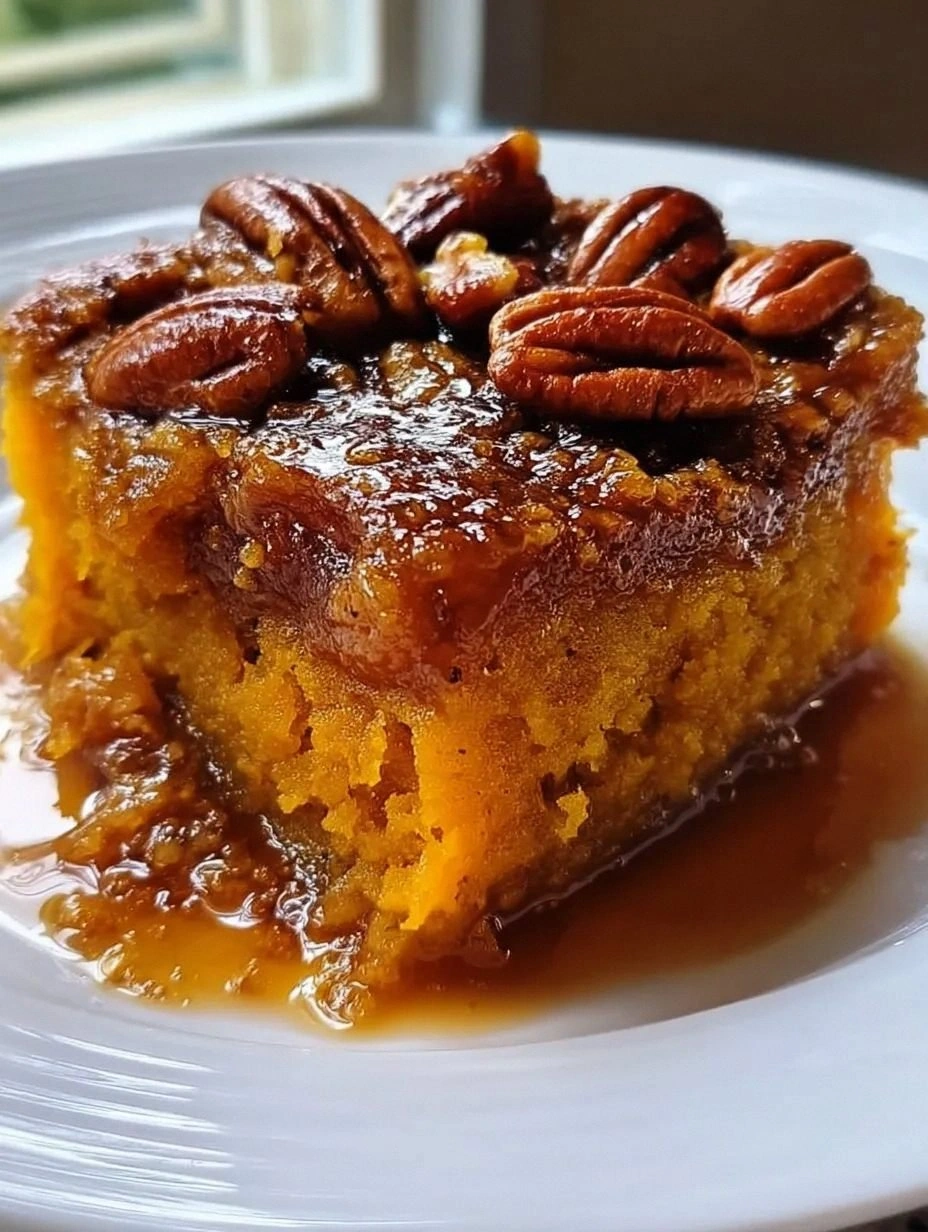
What makes this version stand out isn’t just the flavor; it’s the texture dance between a crisp, buttery crust and a silky, spiced sweet‑potato interior that melts on your tongue. Most recipes get this completely wrong—either the topping is soggy or the filling is dry, and the balance of spices is either bland or overpowering. I’ve cracked the code with a precise ratio of coconut milk to butter, a whisper of rum for depth, and a secret step that locks in moisture without turning the top into a rubbery blanket. The result is a cobbler that feels like a warm hug from a Caribbean auntie, complete with that nostalgic “home‑cooked” aroma that lingers long after the plate is cleared.
And here’s the kicker: I’m going to reveal the technique that most cooks overlook—the “double‑steam” finish that gives the crust that delicate crunch while keeping the interior luxuriously soft. I dare you to taste this and not go back for seconds. Let me walk you through every single step — by the end, you’ll wonder how you ever made it any other way.
What Makes This Version Stand Out
- Flavor Explosion: A balanced trio of cinnamon, ginger, and nutmeg mingles with sweet potato’s natural caramel notes, while a splash of dark rum adds an unexpected depth that sings like a steel‑pan solo.
- Texture Harmony: The topping is buttery and crisp on the edges, yet feather‑light on top, creating a contrast that shatters like thin ice when you bite into it.
- Simplicity Redefined: Only ten pantry staples plus a couple of tropical extras, and you’ve got a dessert that looks and tastes like it took hours of laborious prep.
- Ingredient Quality: Using fresh, firm sweet potatoes and full‑fat coconut milk makes the pudding richer, creamier, and more authentic to island kitchens.
- Crowd Reaction: I’ve watched strangers become instant fans, whispering “Is this from a bakery?”—that’s the kind of gasp you want at a dinner party.
- Make‑Ahead Magic: The cobbler holds its shape beautifully in the fridge, and a quick re‑heat brings it back to life without sacrificing that coveted crust.
- Cooking Method: The double‑steam finish locks in moisture and guarantees a golden, crackly top without burning.
- Versatility: Swap coconut milk for almond, add tropical fruits, or go fully vegan—this base adapts like a chameleon on a Caribbean beach.
Inside the Ingredient List
The Flavor Base
Sweet potatoes (2 cups mashed): These are the heart of the pudding, providing natural sweetness and a buttery mouthfeel. Choose firm, orange‑fleshed varieties for the richest flavor. If you skip them, you’ll lose the signature island soul and end up with a bland custard.
Coconut milk (½ cup): Adds a silky, tropical richness that dairy can’t match. Full‑fat coconut milk is essential; low‑fat versions will make the filling watery and dull. If you can’t find a can, a good quality carton works, just give it a vigorous shake.
Dark rum (2 tbsp, optional): The rum lifts the sweet potato’s earthiness and introduces a subtle caramel note. It’s the secret weapon that turns a good cobbler into a great one. Omit it for a kid‑friendly version, but the depth will be missed.
The Texture Crew
All‑purpose flour (2 cups): Forms the backbone of the topping, creating that golden, crumbly crust. Using cake flour will make it too soft; whole‑wheat adds a nutty grit you don’t want here.
Granulated sugar (1 cup): Sweetens the crust and encourages caramelization. Brown sugar can be substituted for a deeper molasses flavor, but you’ll lose some of the crispness.
Butter, melted (¼ cup): Gives the topping its buttery sheen and contributes to the flaky texture. Melt it gently; overheating will evaporate the milk solids and diminish flavor.
Baking powder (1 tsp) & baking soda (½ tsp): These leaveners create tiny air pockets, ensuring the crust rises just enough to be airy without becoming cake‑like.
The Unexpected Star
Ground cinnamon (1 tsp) & ground ginger (½ tsp): Warm spices that echo Caribbean street food markets. They add depth without overpowering the sweet potato’s natural flavor.
Ground nutmeg (¼ tsp): A pinch of nutmeg adds an aromatic whisper that lingers on the palate, reminiscent of festive island celebrations.
Vanilla extract (1 tsp): Enhances the overall sweetness and rounds out the spice profile, making each bite feel cohesive.
The Final Flourish
Shredded coconut (¼ cup, optional): Sprinkles a subtle chew and reinforces the tropical vibe. Toast it lightly for an extra nutty crunch.
Chopped pecans (¼ cup, optional): Provide a buttery crunch that contrasts the soft interior. If you’re allergic, substitute with toasted pumpkin seeds.
Salt (½ tsp): Balances the sweetness and accentuates every spice. Skipping it will make the dessert taste flat, as if you’re eating sugar on a plate.
Everything's prepped? Good. Let's get into the real action...
The Method — Step by Step
Preheat your oven to 375°F (190°C). While the oven warms, grease a 9‑inch square baking dish with a tablespoon of butter, making sure every nook is coated. This prevents sticking and adds an extra layer of buttery flavor to the crust. I always like to let the butter melt into the corners; it creates those little caramelized pockets that crackle when you bite. That sizzle when it hits the pan? Absolute perfection.
Peel and cube two medium sweet potatoes (about 2 cups when mashed). Boil them in salted water until fork‑tender, roughly 12‑15 minutes. Drain, then mash them while still warm, adding a pinch of salt and a splash of coconut milk. The mash should be smooth but not watery—think of a velvety puree that clings to a spoon.
Kitchen Hack: For an ultra‑smooth mash, run the cooked sweet potatoes through a food mill instead of a regular masher.In a large bowl, whisk together the flour, granulated sugar, baking powder, baking soda, cinnamon, ginger, nutmeg, and salt. This dry mix is the foundation of your crisp topping. Whisking ensures the leaveners are evenly distributed, preventing pockets of bitter soda. Once combined, set the bowl aside; the aroma of warm spices should already be making your mouth water.
In a separate bowl, combine the melted butter, vanilla extract, rum (if using), and the remaining half‑cup of coconut milk. Whisk until the mixture is glossy and slightly frothy. The butter’s fat will later coat the flour, creating that flaky, melt‑in‑your‑mouth crust.
Watch Out: If the butter is too hot, it can cook the egg‑free batter prematurely, leading to a gummy texture. Let it cool just a tad before mixing.Make a well in the center of the dry ingredients and pour in the mashed sweet potatoes followed by the wet butter‑coconut mixture. Gently fold everything together with a spatula, being careful not to over‑mix. Over‑mixing develops gluten, which would make the topping tough instead of tender. The batter should look slightly lumpy and thick—this is intentional.
If you’re adding shredded coconut or pecans, now is the moment to fold them in. Their distribution throughout the batter ensures every bite gets a surprise textural pop. For an extra toasted note, toast the coconut in a dry skillet for 2‑3 minutes before folding.
Transfer the batter to the prepared baking dish, spreading it out with a spatula to an even thickness of about 1‑inch. Smooth the top, then place the dish on a baking sheet—this helps catch any overflow and promotes even heat distribution. Slide the sheet into the oven and bake for 25‑30 minutes, or until the edges pull away slightly and the top turns a deep golden‑amber.
About five minutes before the timer dings, brush the top with a mixture of melted butter and a teaspoon of brown sugar (see Kitchen Hack above). This final glaze will caramelize, giving the crust that glossy, crackly finish that makes people say “wow” before even tasting. The aroma at this stage is intoxicating—think tropical night market meets grandma’s kitchen.
Remove the cobbler from the oven and let it rest for 10 minutes. This resting period allows the interior to set, making it easier to cut clean squares. While you wait, the kitchen will be filled with a lingering scent of cinnamon, rum, and toasted coconut that will have anyone nearby drooling. Picture yourself pulling this out of the oven, the whole kitchen smelling incredible...
Serve warm, optionally drizzled with a scoop of vanilla ice cream or a dollop of whipped coconut cream. The contrast of hot cobbler and cold cream is pure magic. And if you’re feeling daring, sprinkle a pinch of extra cinnamon on top for that final aromatic punch. That’s it — you did it. But hold on, I’ve got a few more tricks that'll take this to another level...
Insider Tricks for Flawless Results
The Temperature Rule Nobody Follows
Never bake a cobbler at a temperature lower than 350°F. Anything less will cause the crust to steam rather than brown, resulting in a soggy top. I once tried 325°F to “save energy” and learned the hard way that the texture turned into a mushy pancake. Keep the oven hot, and you’ll get that coveted crackle.
Why Your Nose Knows Best
When the cobbler is about 20 minutes in, start sniffing. If you catch a faint caramel note and the edges are pulling away, you’re almost there. Trust that olfactory cue more than the timer—ovens vary, and the scent is the truest indicator of doneness. If you ignore it, you risk a burnt top or under‑cooked interior.
The 5‑Minute Rest That Changes Everything
After baking, let the pudding sit uncovered for exactly five minutes. This short rest lets steam escape, preventing a soggy bottom, while the interior continues to firm up. Skipping this step makes slicing a nightmare—think of trying to cut a soft‑serve sundae with a butter knife.
Don’t Over‑Mix the Batter
Gentle folding is the secret. Over‑mixing activates gluten, turning your delicate crust into a dense biscuit. Think of it like a delicate dance; you want the ingredients to mingle, not wrestle. A good rule of thumb: stop when you no longer see streaks of flour.
Flavor Boost with a Splash of Citrus
If you want an extra layer of brightness, add a teaspoon of freshly grated orange zest right before folding the wet and dry mixes. The citrus lifts the sweet potato’s earthiness and pairs beautifully with the rum. I tried it once for a holiday gathering and got rave reviews—people kept asking for the “secret ingredient.”
Creative Twists and Variations
This recipe is a playground. Here are some of my favorite ways to switch things up:
Tropical Fruit Burst
Fold in a cup of diced mango or pineapple just before baking. The fruit caramelizes on top, adding juicy bursts of sunshine. It’s perfect for a summer brunch where you want a little extra sunshine on the plate.
Spicy Island Heat
Introduce a pinch of ground allspice and a dash of Scotch bonnet pepper (or a milder jalapeño) to the dry mix. The heat balances the sweetness and gives the dish a bold, unforgettable kick. Great for those who love a bit of fire.
Nut‑Free Coconut Cream
Swap the butter for coconut oil and use full‑fat coconut cream instead of milk. This makes the cobbler dairy‑free while keeping the tropical flavor profile intact. It’s a hit with vegans and those with dairy sensitivities.
Brown Sugar & Rum Glaze
Replace the granulated sugar in the topping with dark brown sugar and double the rum in the glaze. The result is a richer, caramel‑laden crust that feels like a dessert straight out of a Caribbean rum bar.
Breakfast Cobbler
Serve warm slices alongside a drizzle of maple syrup and a side of crisp bacon. The sweet‑savory combo works surprisingly well and turns the cobbler into a hearty breakfast centerpiece.
Chocolate Swirl
Stir in ¼ cup of melted dark chocolate into the batter for a mocha‑tropical fusion. The chocolate adds depth and a slight bitterness that balances the sweet potatoes beautifully.
Storing and Bringing It Back to Life
Fridge Storage
Allow the cobbler to cool completely, then cover it tightly with aluminum foil or a reusable silicone lid. It will keep fresh in the refrigerator for up to three days. When you’re ready to serve, reheat a slice in the oven at 350°F for 10‑12 minutes, uncovered, to revive that crisp crust.
Freezer Friendly
Slice the cobbler into individual portions, wrap each piece in parchment paper, then place them in a freezer‑safe bag. They freeze beautifully for up to two months. To reheat, bake frozen slices at 375°F for 15‑18 minutes, or microwave for a quick fix (though you’ll lose some crispness).
Best Reheating Method
For the ultimate revival, preheat a skillet over medium heat, add a splash of water (just a teaspoon), and place a slice in the pan, covering it with a lid for two minutes. The steam restores moisture while the bottom crisps up again. This trick works even better than the oven if you’re in a hurry.