I still remember the Tuesday night I nearly ordered takeout for the third time that week. The fridge was practically humming with disappointment, my stomach was staging a protest, and the clock was sprinting toward nine. Then I spotted a lonely bag of shrimp thawing in the bowl of cold water I'd forgotten about that morning, a wilting bunch of parsley, and the last glugs of decent olive oil. In a moment of hangry desperation, I decided to whip up what I thought would be a "good-enough" chimichurri shrimp situation. Friends, that twenty-minute fluke turned out to be the single most addictive dinner I've made all year. The shrimp curled into juicy crescents, the sauce balanced on that razor's edge between bright and brawny, and the aroma filling my kitchen made me do a literal chef's-kiss to an audience of zero.
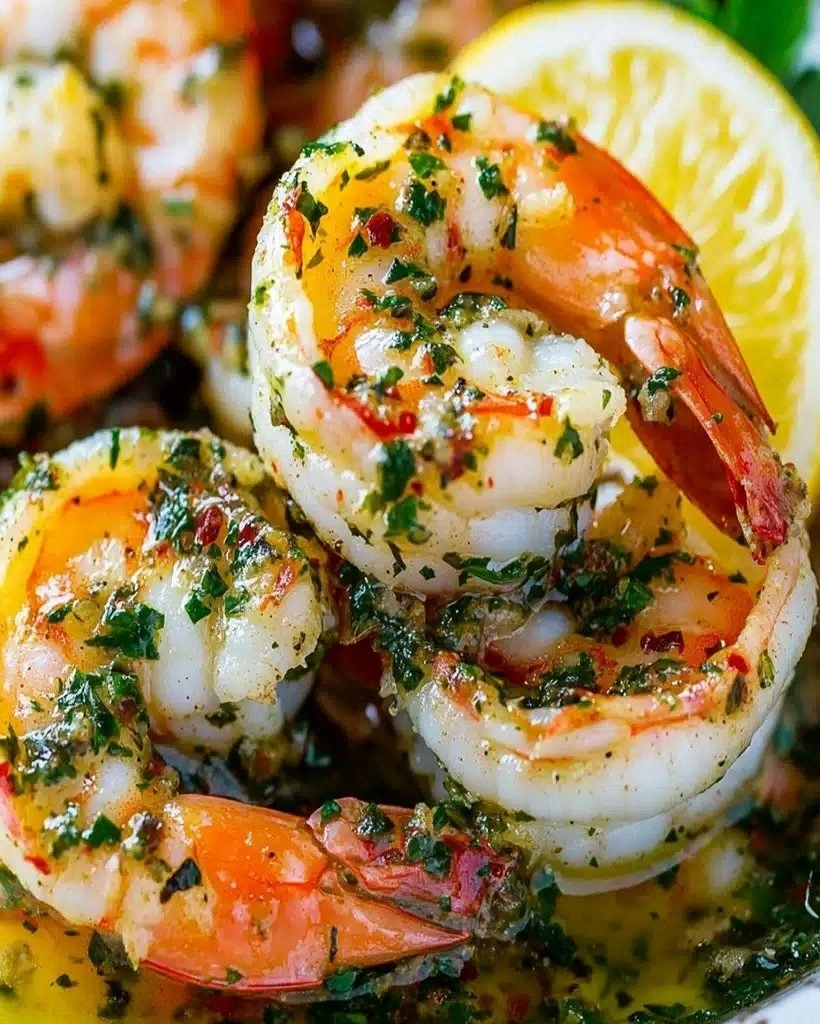
Picture this: the pan hits temperature and the first shrimp touches down with a sizzle so satisfying you swear the neighbors can hear it. Thirty seconds later, the garlic joins the party and the room fills with a perfume so intoxicating that your phone buzzes because someone upstairs texts, "What's cooking?" You flip each crustacean once, watching coral-pink blushes turn to sunset orange, and you know you're roughly ninety seconds from glory. Meanwhile the chimichurri—which you blitzed while the pan was heating—rests in the cup of your palm, emerald and glossy like a jungle river under moonlight. One confident drizzle and the herbs grab onto the hot shrimp with a hiss that sounds almost like applause.
Before you panic about authenticity flags from Argentinian grilling purists, let me confess: this is not the traditional, slow-marinated, wood-fired version. This is week-night, lightning-fast, flavor-forward cooking that borrows the spirit of chimichurri and weaponizes it for shrimp. The vinegar still snaps, the oregano still whispers of meadows, and the chili still winks at you, but everything is calibrated for speed and shrimp's lightning cook time. I dare you to taste this and not go back for seconds—though I should warn you that I once polished off half the skillet "while testing seasoning" and had to scramble to make more before my dinner guests noticed.
Okay, ready for the game-changer? By the time you've read this far you could already have shrimp hitting the pan, because the entire dish—from fridge raid to plating—takes roughly the same duration as scrolling through a streaming menu trying to decide what to watch. Stay with me here—this is worth it. Let me walk you through every single step—by the end, you'll wonder how you ever made it any other way.
What Makes This Version Stand Out
Lightning Fast: Most chimichurri recipes demand an hour of marinating and another twenty minutes of grilling. Here, the blender does the heavy lifting while the shrimp sear, meaning dinner hits the table in under fifteen minutes flat.
Gloss Without Grease: By whisking a splash of the chimichurri into the sauté just before serving, the sauce emulsifies into a velvety glaze that clings to each shrimp like velvet, minus the oil slick that weighs down lesser versions.
Herb Economy: Got half a bunch of cilantro, a few sprigs of parsley, maybe even some dill lurking? This recipe welcomes mixed herbs and still tastes intentional, rescuing you from sad, forgotten fridge foliage.
Shrimp That Stay Plump: A quick brine of salt, baking soda, and ice water—done while you prep the sauce—locks in that snappy, lobster-like texture even if you accidentally leave them on the heat a few seconds too long.
Weeknight Pantry Friendly: No specialty vinegar or imported oregano required. Red-wine vinegar, dried oregano, and basic olive oil deliver 95% of the punch for a fraction of the cost and zero extra errands.
Dishwasher Minimalism: One skillet, one blender cup, one cutting board. That's it. You could probably wash everything with the leftover lime half if you're feeling particularly eco—or lazy, no judgment.
Leftover Magic: Any extra chimichurri morphs into salad dressing, sandwich spread, or roasted-veggie drizzle for the next three days, so you essentially meal-prep without noticing.
Inside the Ingredient List
The Flavor Base
Flat-leaf parsley is the spine of classic chimichurri, lending a bright, almost citrusy backbone that can stand up to aggressive garlic and vinegar. Skip the curly stuff; its texture is like confetti and its flavor is as bland as wet paper. You need about a cup, loosely packed—think of it as a small handful that just covers your palm. If parsley were a person, it would be the reliable friend who brings balance to every party without demanding the spotlight.
Garlic gets the leading role here, but it can quickly turn from charming to caustic. I use two fat cloves for a single batch because shrimp cook fast and need that punchy counterpoint. Smash the cloves under the flat of a knife, remove the germ if it's green (bitter city), then mince almost to a paste so it dissolves into the sauce rather than burning on the heat.
Oregano, even dried, is the herbaceous equivalent of bass in a band: you feel it more than you see it. A generous half teaspoon blooms in the vinegar and ties the sauce to its South American roots. If all you have is Italian seasoning, pick out the little oregano bits with your fingers; yes, it's fiddly, but your taste buds will thank you for the authenticity.
The Texture Crew
Good olive oil should coat your lips but not feel like you're guzzling motor oil. Aim for about a third of a cup; enough to turn the herbs into a pourable emulsion once blended. Cheap oil tastes flat, while ultra-peppery single-estate oil can bully the shrimp. I go middle-shelf—something I'd happily dip bread into on a lazy Sunday.
Red-wine vinegar supplies the mouth-watering tang that makes chimichurri addictive. Two tablespoons hit the sweet spot between brightness and puckering. Balsamic is too sweet, white vinegar too harsh, and apple-cider brings an unwanted autumn note. If you're out, a 50/50 mix of rice vinegar and lemon juice gets surprisingly close.
Red-pepper flakes provide the gentle heat that blooms minutes after you swallow, inviting another bite like a flirtatious dare. Start with a quarter teaspoon; you can always stir in more after tasting. For a smoky twist, swap in a pinch of smoked paprika—it's not traditional, but your kitchen will smell like you're grilling outdoors even if it's raining sideways.
The Unexpected Star
Many recipes omit sweetness entirely, but a whisper of honey (barely half a teaspoon) rounds the sharp edges in a way that makes people ask, "Why does this taste so complete?" You won't detect honey per se; it simply keeps the vinegar from hijacking the conversation.
Quality shrimp are non-negotiable. Look for shells that smell like the ocean on a good day, not like the pier on a bad one. Size-wise, 26-30 count per pound hits the sweet spot of meaty yet quick-cooking. If all you have is pre-cooked, skip the sauté entirely and just toss them with warm chimichurri off the heat; otherwise they turn into rubbery commas.
The Final Flourish
A quick brine of one teaspoon kosher salt, a pinch of baking soda, and a cup of ice water sounds fussy but is the difference between bouncy and bland. Ten minutes while you whirl the sauce is all it takes; the baking soda raises the pH and keeps the shrimp plump even if you overcook by a hair.
Freshly ground black pepper isn't just a finishing ego stroke; it adds floral complexity that pre-ground dust lost months ago. Five quick cracks over the blender before you blitz is plenty. If you've never smelled pepper bloom in hot oil, lean in—you'll understand why ancient traders treated it like gold.
Everything's prepped? Good. Let's get into the real action...
The Method — Step by Step
- Drop the shrimp into the brine bath the moment you step into the kitchen. Swirl the bowl with one hand while you rummage for parsley with the other; multitasking is your friend here. Ten minutes later, drain them thoroughly and pat rocket-dry with paper towels—any lingering water will splatter like tiny grease grenades. Think of this as insurance against rubbery regrets.
- While the shrimp soak, shove parsley, garlic, oregano, red-pepper flakes, honey, vinegar, salt, and a few cracks of black pepper into a mini-blender or the cup of an immersion blender. Pour in the olive oil last; it helps pull everything down into the blades. Blitz for fifteen seconds, scrape the sides, then whirl again until the sauce looks like emerald satin. Taste with the tip of a spoon; it should make your tongue tingle and your brain light up like a slot machine.
- Heat a 12-inch stainless or cast-iron skillet over medium-high until a flick of water skitters across the surface like a nervous crab. Add just enough neutral oil to film the bottom—about a teaspoon—because the chimichurri will supply the rest of the fat later. Swirl to coat; the pan is ready when the oil shimmers but hasn't started smoking. If you've ever struggled with sticking shrimp, you're not alone—and I've got the fix coming up next.
- Lay the shrimp in a clockwise spiral starting at twelve o'clock so you know which hit the pan first. Crowding is fine; they'll shrink fast. Let them cook undisturbed for ninety seconds—yes, set a timer because your inner stir-fry addict will want to toss early. That sizzle when it hits the pan? Absolute perfection. The underside should develop a blushy coral spot edged with gold.
- Flip each shrimp with tongs or a thin fish spatula, again working around the clock. The second side needs only forty-five seconds, so stay caffeinated. While the second side cooks, spoon two tablespoons of the raw chimichurri over the pan; the heat will bloom the garlic and tame the raw bite while glazing the shrimp in glossy herbs. Your kitchen will smell like you hired a private Argentinian grill master.
- Immediately transfer the skillet off the heat—cast iron holds enough residual warmth to finish cooking without turning the shrimp into foam balls. Squeeze half a lime across the pan, letting the steam carry citrus perfume up your nostrils. Stir gently to coat every curve in the now-emerald sauce. This next part? Pure magic.
- Plate over a bed of steaming rice, mashed cauliflower, or crusty bread that will sop up every last drop. Drizzle an extra spoonful of the reserved fresh chimichurri on top for that Instagram-worthy color pop. Garnish with a few parsley leaves that will wilt ever so slightly under the heat, whispering "I was just alive a moment ago."
- Serve instantly, preferably with chilled white wine or a lime-spiked seltzer. Warning: conversation will halt the second people bite in, followed by involuntary eyebrow raises and the clatter of forks reaching for more. If you've ever struggled with timing dinner so everything's warm at once, you're not alone—and this speedy sequence guarantees victory.
That's it—you did it. But hold on, I've got a few more tricks that'll take this to another level...
Insider Tricks for Flawless Results
The Temperature Rule Nobody Follows
Shrimp are the divas of seafood: too low heat and they weep out flavorless juices, too high and they seize into tight curls that taste like pencil erasers. Medium-high is the sweet spot where the pan growls but doesn't scream. If oil is smoking before the shrimp arrive, swipe the pan with a paper towel to cool it down by a hair. Your reward is shrimp that snap like al dente pasta yet drip with juice when you bite through.
Why Your Nose Knows Best
Ignore timers and trust aroma. When the garlic in the pan smells toasted but not bitter and you can smell oregano even with the hood fan on, the flip is moments away. A friend tried skipping this step once—let's just say it didn't end well, and her smoke alarm filed a noise complaint. Trust the sizzle soundtrack and you'll nail doneness every single time.
The 5-Minute Rest That Changes Everything
Once the shrimp leave the heat, let them lounge in the skillet for five minutes, loosely tented. Proteins relax, juices redistribute, and the sauce marries into every crevice. Serve too soon and the sauce slides off like a kid on a water slide; wait too long and the shrimp cool below their prime. Set a playlist song as your timer—"Don't Start Now" by Dua Lipa is perfect—and you'll hit the sweet spot without obsessing over the clock.
Creative Twists and Variations
This recipe is a playground. Here are some of my favorite ways to switch things up:
Blazing Mango Heat
Swap red-pepper flakes for minced fresh habanero and blend in two tablespoons of ripe mango for a Caribbean twist. The fruit's sweetness tames the inferno while lending a glossy body that clings to shrimp like suntan lotion. Serve over coconut rice and finish with a squeeze of lime for a beach-party vibe that somehow works even on a drizzly Tuesday.
Creamy Chimichurri Lite
Fold two tablespoons of Greek yogurt into the finished sauce for a creamy version that feels decadent but stays waistline friendly. The yogurt mutes sharp edges, making this variation kid-approved while still interesting enough for adults. Spoon into warm tortillas with shredded lettuce for instant shrimp tacos that vanish faster than free Wi-Fi.
Smoke & Whiskey Edge
Deglaze the hot pan with a shot of whiskey instead of lime juice, letting the alcohol cook off for thirty seconds before adding the chimichurri. The smoky caramel notes flirt outrageously with the herbs and make you feel like you're dining in a Prohibition-era speakeasy. If you've ever struggled with boring date-night dinners, this is the fix that earns a second-date invite.
Surf & Turf Upgrade
Slide seared slices of flank steak right into the same skillet, letting the meat juices mingle with the shrimp glaze. Pile both on a platter and shower with extra chimichurri for an instant backyard steakhouse experience. Just warn your cardiologist—or don't, and live deliciously dangerous.
Vegan Sea-Lover Swap
Replace shrimp with thick slabs of king oyster mushrooms scored in a crosshatch so the sauce seeps into every crevice. The texture turns eerily scallop-like, and the herbs compensate for the mushrooms' inherent blandness. Even my carnivorous roommate asks for this version when he's feeling "health pious."
Breakfast-for-Dinner Remix
Top the finished shrimp on buttered toast, add a six-minute jammy egg, and drizzle everything with remaining chimichurri. The runny yolk marries the sauce into a neon river of glory that tastes like brunch took a vacation to Buenos Aires. Future pacing: picture yourself pulling this out of the oven, the whole kitchen smelling incredible, and suddenly breakfast at eight p.m. feels rebelliously right.
Storing and Bringing It Back to Life
Fridge Storage
Cooled shrimp keep for up to three days in the coldest part of your fridge, stored in a lidded glass container with all their saucy goodness. Layer a sheet of parchment directly on top before snapping on the lid; it prevents the chimichurri from oxidizing into a muddy army green. When reheating, let the container sit on the counter for fifteen minutes so you're not shocking cold shrimp with hot pan—temperature whiplash equals rubber.
Freezer Friendly
Freeze individual portions in zip-top bags pressed flat so they thaw quickly; slip a label on because neon green blobs are impossible to identify three weeks later. They'll keep two months without quality loss. Thaw overnight in the fridge, never in the microwave unless you fancy shrimp jerky. Add a tiny splash of water before reheating—it steams back to perfection and revives the sauce's sheen.
Best Reheating Method
Skip the microwave; it turns garlic bitter and herbs khaki. Instead, warm a nonstick pan over low heat, add the shrimp with a tablespoon of water, and cover for two minutes. The gentle steam resurrects plump texture without overcooking. Finish with a squeeze of fresh lemon to wake up flavors that hibernated in the cold.