I still remember the first time I made these crostini for a dinner party. I was running late, the kitchen looked like a tornado had torn through it, and I had exactly fifteen minutes to pull off something that wouldn't embarrass me in front of my food-snob friends. I grabbed a baguette, some burrata I'd been saving for a special occasion, and whatever produce was rolling around in my crisper drawer. What happened next was nothing short of culinary alchemy. The bread toasted to golden perfection while the tomatoes sizzled and caramelized, releasing their sweet perfume into the air. When I pulled everything together and took that first bite, I actually stopped mid-chew and stared at the counter in disbelief. These weren't just good — they were restaurant-quality, make-people-marry-you good.
Here's the thing about most crostini recipes floating around the internet: they're either too complicated with fifteen ingredients you'll never use again, or they're so basic they taste like something you'd grab from a grocery store catering tray. My version hits that sweet spot where simplicity meets pure decadence. The contrast between the crispy, garlicky bread and the molten, creamy burrata creates a textural experience that makes people close their eyes when they bite into it. Add the burst of sweet cherry tomatoes, the aromatic basil, and that final drizzle of balsamic glaze, and you've got a masterpiece that looks like you spent hours slaving away.
What makes this recipe absolutely foolproof is that it relies on technique, not fancy ingredients. You don't need to hunt down obscure cheeses or spend a fortune at specialty stores. The magic happens when you understand how to coax maximum flavor from simple, quality ingredients. The way the garlic perfumes the warm bread, how the olive oil mingles with the tomato juices to create an impromptu sauce, the precise moment when the burrata hits that perfect temperature where it oozes luxuriously but doesn't completely melt away. These are the details that separate good cooks from great ones, and I'm about to hand you all my secrets.
But here's my confession — I've eaten half the batch standing over my kitchen counter before guests even arrived. There's something about the combination of hot, crispy bread and cool, creamy cheese that makes self-control impossible. I've seen grown adults fight over the last piece, and I've watched my health-conscious friend demolish six of these in five minutes flat. If you've ever struggled with appetizers that look pretty but taste like cardboard, you're not alone — and I've got the fix that'll make you the hero of every gathering you host from this day forward.
What Makes This Version Stand Out
Flavor Bomb: The combination of warm, garlicky bread with cool, creamy burrata creates a temperature and texture contrast that makes your taste buds do a happy dance. The sweet burst of roasted tomatoes against the mild, milky cheese is like a summer garden party in your mouth. Every element is seasoned perfectly, so no bite is bland or one-note.
Texture Heaven: We're talking about crispy edges that shatter like thin ice, giving way to a soft, yielding center that soaks up all those gorgeous tomato juices. The burrata adds a luxurious creaminess that coats your tongue, while the fresh basil provides herbaceous brightness that cuts through the richness. It's a masterclass in texture layering that keeps you coming back for just one more.
Stupidly Simple: Most recipes overcomplicate things with unnecessary steps and ingredients. This recipe works because it trusts the ingredients to do their job without meddling. Twenty minutes from start to finish, and most of that is the bread toasting while you sip wine and pretend you're on a cooking show.
Insta-Worthy: These beauties photograph like supermodels — all golden bread and white cheese against ruby tomatoes and emerald basil. Your friends will think you hired a caterer, and your Instagram will explode with likes. The best part? They taste even better than they look.
Crowd Control: Whether you're feeding sophisticated foodies or friends who think fine dining means extra cheese on their pizza, these disappear faster than free samples at Costco. I've served them at everything from book clubs to Super Bowl parties, and they're always the first thing gone.
Ingredient Integrity: This recipe celebrates each component by using them at their peak. The bread gets toasted until it's just golden, the tomatoes are warmed just enough to intensify their sweetness, and the burrata is added at the perfect moment to hit that ideal temperature. Nothing is overcooked or muddled.
Make-Ahead Magic: You can prep every component ahead of time and assemble in minutes when guests arrive. The tomato mixture gets better as it sits, the bread can be toasted hours ahead, and assembly takes literally three minutes. Perfect for stress-free entertaining.
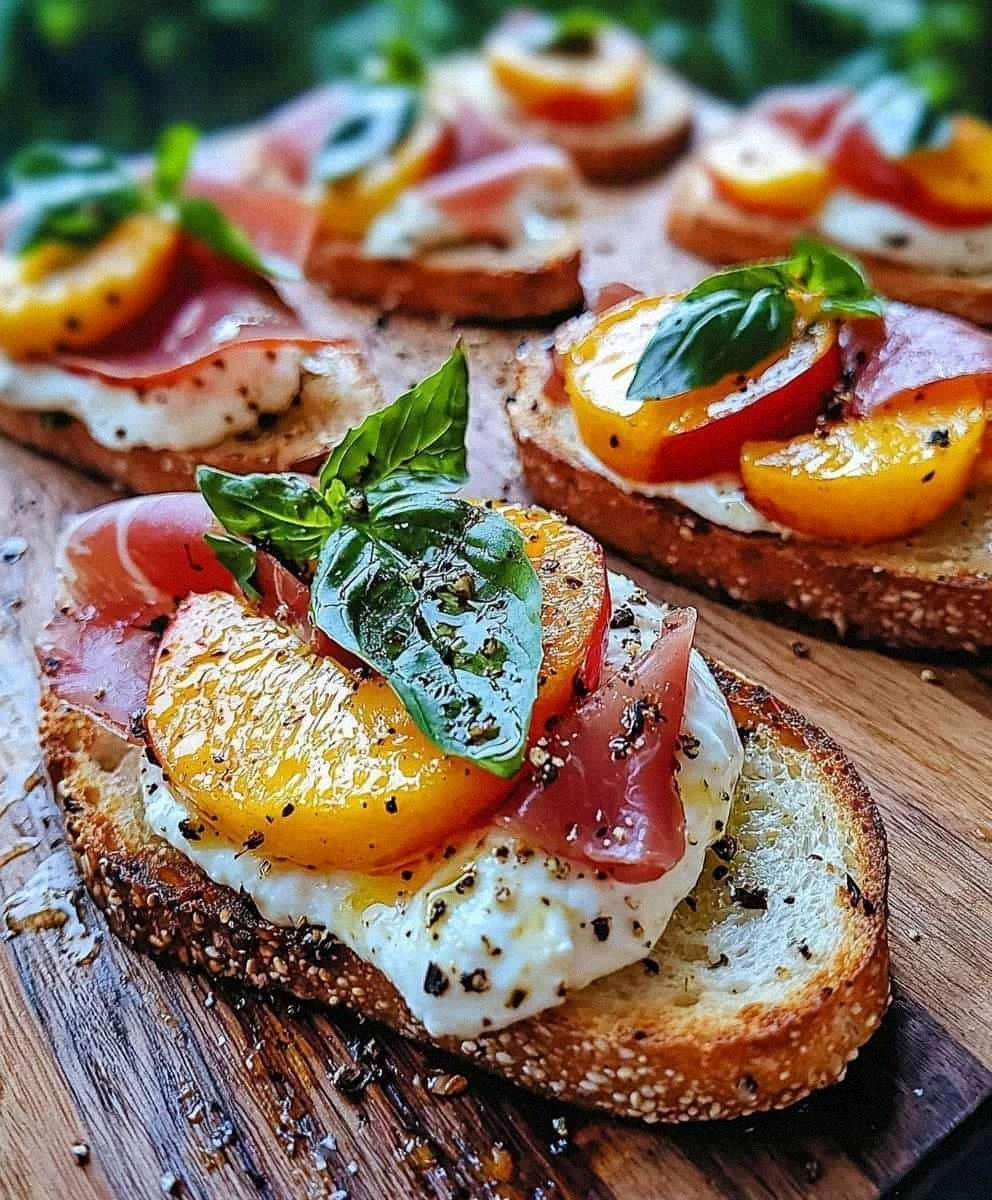
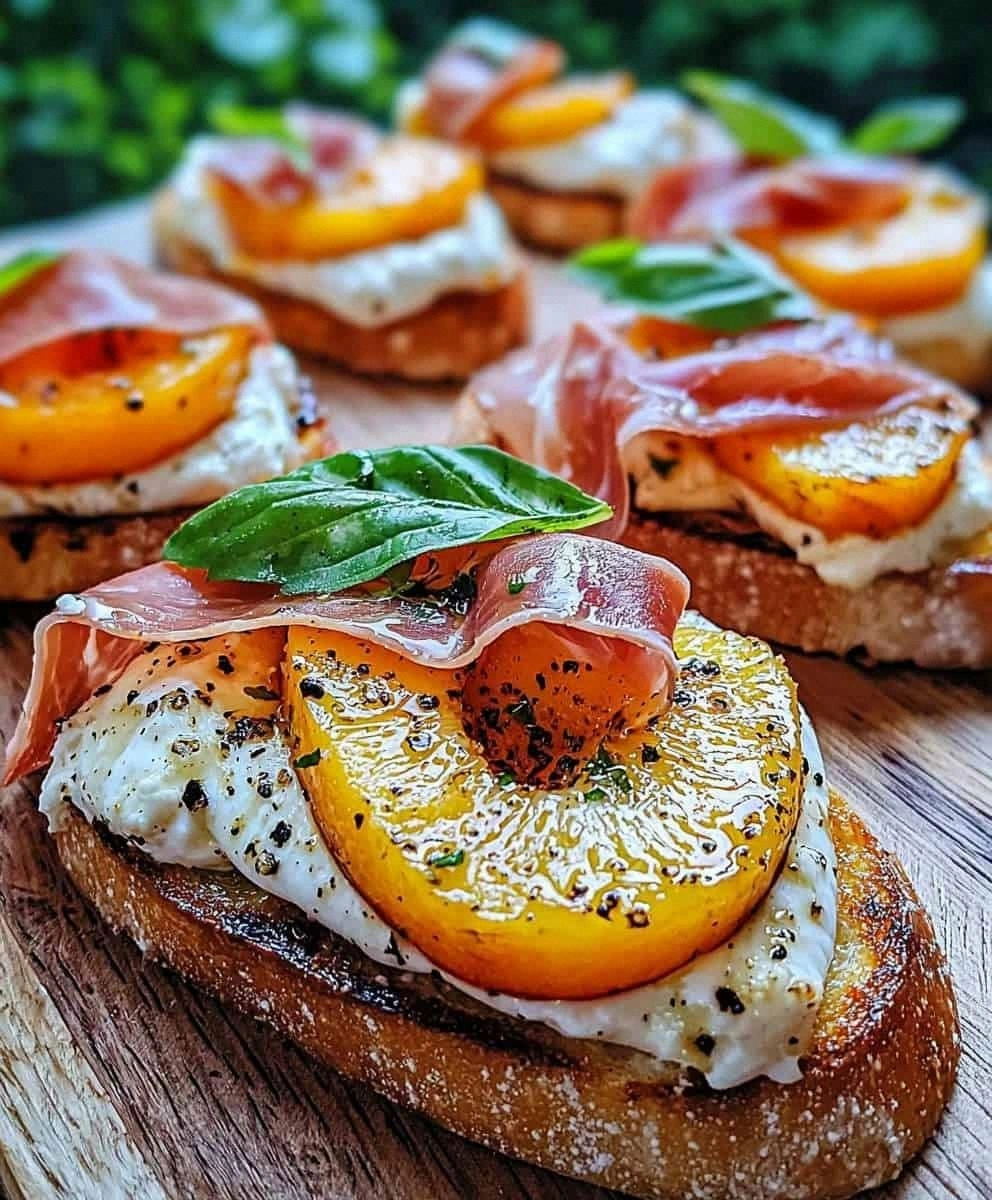
Endlessly Adaptable: Once you master the base technique, you can switch up toppings based on season or craving. Sweet figs in autumn, roasted peaches in summer, even some crispy prosciutto if you're feeling fancy. The basic formula never fails.
Inside the Ingredient List
The Foundation: Bread Basics
The bread is your canvas here, and picking the right one makes all the difference between crostini that wow and crostini that disappoint. A fresh French baguette gives you those perfect two-bite portions with crisp edges and soft centers. The key is using day-old bread — it's slightly dried out, which means it'll toast up golden without burning before the inside gets crispy. If you're using ciabatta, look for one with a tight crumb structure rather than those giant air pockets, or your toppings will fall through the holes like tiny edible sinkholes. Slice on a slight diagonal to maximize surface area for maximum crispy edge real estate.
The Star: Burrata Brilliance
Fresh burrata is essentially mozzarella's cooler, more sophisticated cousin who studied abroad and came back with stories and an accent. Outside it's a thin shell of mozzarella, but inside is a treasure trove of cream-soaked cheese curds that spill out like liquid gold when you cut into it. The fresher your burrata, the better — look for the kind packed in water, not vacuum-sealed, and use it within a few days of purchase. If you can't find burrata, fresh mozzarella works in a pinch, but you miss that dramatic creamy center that makes people gasp when they break into it.
The Supporting Cast: Tomato Transformation
Cherry tomatoes are the unsung heroes here, and halving them isn't just for looks — it exposes their cut surfaces to the heat, intensifying their natural sweetness and creating little juice pockets that mingle with the olive oil. Go for the ripest, most fragrant tomatoes you can find; they'll be sweeter and more flavorful. In winter, smaller grape tomatoes often have better flavor than their larger counterparts, and roasting them for just a few minutes concentrates their sugars. The heat transforms them from simple salad ingredients into something that tastes like summer sunshine concentrated into tiny red packages.
The Flavor Makers: Oil and Aromatics
Extra virgin olive oil isn't just a cooking fat here — it's a flavor bomb that carries the garlic essence and mingles with the tomato juices to create an impromptu sauce. Use the good stuff, the kind that tastes like green grass and pepper, not the bland grocery store variety. That clove of garlic you rub on the warm bread? It's not just for show. The heat releases garlic's volatile compounds, perfuming the bread with flavor that permeates every bite without overwhelming the delicate cheese.
The Finishing Touches: Basil and Balsamic
Fresh basil is non-negotiable — dried basil tastes like dust and disappointment. Chop it just before using to keep those essential oils from evaporating into the ether. The balsamic glaze is your flavor exclamation point, adding sweet-tart complexity that makes all the other ingredients sing in harmony. If you only have regular balsamic, simmer it until it reduces by half and thickens into a syrupy consistency that'll drizzle artistically instead of running everywhere.
The Method — Step by Step
-
Preheat your oven to 400°F (200°C) and position a rack in the middle. This temperature is the sweet spot where bread toasts to golden perfection without burning before the center gets crispy. Line a baking sheet with parchment paper for easy cleanup, because nobody wants to scrub caramelized bread bits off metal when there are guests to impress. While the oven heats, slice your baguette on a slight diagonal into 1/2-inch thick pieces — this angle gives you more surface area for toppings and looks fancier than straight cuts.
-
Arrange your bread slices on the prepared baking sheet in a single layer, making sure they don't overlap or they'll steam instead of toast. Brush the tops lightly with olive oil — you're not making fried bread here, just giving them a kiss of flavor and helping them brown. Slide them into the oven and set a timer for 8 minutes. This is when the magic starts happening: your kitchen will fill with the aroma of toasting bread that makes everyone ask what smells so amazing.
-
While the bread toasts, halve your cherry tomatoes and toss them in a small bowl with a tablespoon of olive oil, a pinch of salt, and a few grinds of black pepper. The salt will draw out some moisture, concentrating the flavor and preventing your crostini from getting soggy. Let them sit while you prepare the other components — this brief marination time makes all the difference in flavor development.
-
Remove the toasted bread from the oven when it's golden brown around the edges but still pale in the center. Immediately rub each slice with the cut side of your garlic clove while the bread is still warm. The heat activates the garlic's aromatic compounds, infusing the bread with flavor that permeates every bite. Be generous here — that garlic is what separates memorable crostini from bland cracker substitutes.
-
Heat a small skillet over medium heat and add the marinated tomatoes cut-side down. Let them cook undisturbed for about 3 minutes — resist the urge to stir them around like you're making scrambled eggs. You want them to caramelize and develop those gorgeous brown edges that add deep, sweet flavor. When they start to smell like summer and look slightly wilted, remove them from heat.
-
Now for the fun part: assembly. Take your garlicky toast and arrange it on a serving platter. Tear the burrata into rustic pieces — don't be precious about making them uniform. The irregular shapes look more appetizing and give you those dramatic cheese pulls when people bite in. Place a generous piece on each toast, letting it warm slightly from the residual heat.
-
Top each crostini with a few caramelized tomato halves, making sure to include some of the pan juices that have collected. This is liquid gold — tomato essence mixed with olive oil and garlic that soaks into the bread and ties everything together. Don't leave it in the pan; that's flavor crime.
-
Scatter your freshly chopped basil over the top, letting it fall where it may. There's something beautiful about the random distribution that looks effortlessly elegant. Finally, drizzle with balsamic glaze in a zigzag pattern — you're not trying to drown them, just add those artistic finishing touches that make people think you went to culinary school.
-
Season with a final flourish of flaky sea salt and freshly ground black pepper. The salt amplifies all the flavors while the pepper adds a subtle heat that makes people reach for their wine. If you're feeling spicy, a tiny pinch of red pepper flakes over half the batch gives heat-seekers something to celebrate without overwhelming the delicate flavors.
-
Serve immediately while the bread is still crisp and the cheese maintains that perfect temperature contrast. Watch as your guests' eyes widen when they bite through the crunchy exterior to discover the creamy surprise inside. I guarantee someone will ask for the recipe, and you'll smile knowingly because it's almost embarrassingly simple.
That's it — you did it. But hold on, I've got a few more tricks that'll take this to another level...
Insider Tricks for Flawless Results
The Temperature Rule Nobody Follows
Here's where most people mess up: they try to rush the process with high heat and end up with burnt edges and raw centers. The secret is understanding that bread toasts from the outside in, and rushing it gives you a bitter, acrid flavor that no amount of toppings can hide. Your oven needs to be hot enough to create that golden color but gentle enough to let the moisture evaporate slowly, creating a crisp texture that stays crunchy. I learned this the hard way after serving what my friends now call "charcoal crostini" — they still bring it up at every dinner party.
Why Your Nose Knows Best
Don't rely on timers alone — your nose is the most sophisticated kitchen tool you own. When the bread is perfectly toasted, your kitchen will smell like a French bakery had a baby with a garlic festival. If you smell even a hint of burning, you've gone too far and need to start over because bitter toast will ruin everything it touches. Trust your sense of smell over any recipe timing; ovens vary, bread varies, but your nose is consistent. This is especially important when you're toasting multiple batches and the first one came out perfect.
The 5-Minute Rest That Changes Everything
After you rub the garlic on the warm bread, let it rest for five minutes before adding any toppings. This brief pause allows the garlic to permeate the bread completely, creating a flavor base that carries through every bite. It's like letting a good wine breathe — the transformation is subtle but remarkable. Skip this step and you get garlic that sits on top of the bread; include it and you get garlic that becomes part of the bread's soul. I discovered this accidentally when I got distracted by a phone call, and the batch I almost threw away became the best I'd ever made.
The Burrata Timing Secret
Pull your burrata from the refrigerator 15 minutes before serving but don't open the package until you're ready to use it. Room temperature cheese has more flavor than cold, but once you break that seal, the clock starts ticking on texture. The cream inside will start to thicken and lose its luxurious flow if it sits out too long, but ice-cold cheese won't have the same flavor impact. It's a delicate balance that separates amateur hour from restaurant-quality results.
The Flavor Layering Technique
Season at every stage, not just at the end. Salt the tomatoes to draw out their juices, salt the bread right after toasting while it's still warm enough to absorb it, and finish with a final flourish of flaky salt. Each layer builds complexity without making anything taste salty. Think of it like painting — you need multiple thin layers to create depth, not one thick coat that overwhelms everything.
Creative Twists and Variations
This recipe is a playground. Here are some of my favorite ways to switch things up:
Autumn Harvest Edition
Swap the tomatoes for paper-thin pear slices and add a drizzle of honey along with the balsamic. The sweetness of ripe pears against the creamy cheese creates a sophisticated flavor profile that screams fall dinner party. Add some toasted walnuts for crunch and maybe a few crispy sage leaves if you're feeling extra fancy. Your guests will think you spent hours planning when really you just raided the farmer's market.
Summer Peach Perfection
During peach season, grill thick slices until they're slightly charred and caramelized, then layer them on the burrata. The smoky sweetness against the mild cheese is pure summer magic. Add some fresh mint instead of basil and a drizzle of white balsamic reduction for a variation that tastes like sunset on a patio. I dare you to taste this and not go back for seconds — it's impossible.
Mediterranean Sunset
Add some chopped Kalamata olives and sun-dried tomatoes to the mix, and swap the basil for fresh oregano. The briny olives add depth while the sun-dried tomatoes provide concentrated flavor that stands up to the creamy cheese. A sprinkle of lemon zest brightens everything and makes you feel like you're eating on a Greek island instead of your kitchen.
Spicy Heat Seeker
For those who like it hot, add some Calabrian chili paste to the olive oil before brushing it on the bread. The gentle heat builds slowly and complements the cool cheese perfectly. Top with some crispy prosciutto bits for salt and crunch, and finish with arugula instead of basil for a peppery bite that makes your lips tingle pleasantly.
Winter Comfort
When tomatoes are sad and mealy, switch to roasted grapes. Toss them with olive oil and roast until they burst and caramelize, creating jammy pockets of sweetness that pair beautifully with the creamy cheese. Add some fresh thyme and a drizzle of aged balsamic for a version that works even when produce is at its worst.
Breakfast of Champions
Add a perfectly poached egg on top and you've got breakfast crostini that'll make weekend mornings legendary. The runny yolk mingles with the burrata cream to create a sauce that's pure indulgence. Add some crispy bacon bits and chives, and you've got a brunch dish that puts avocado toast to shame.
Storing and Bringing It Back to Life
Fridge Storage
Here's the reality: these are best eaten fresh, but life happens and sometimes you need to prep ahead. Store the toasted bread in an airtight container at room temperature for up to two days — any longer and they'll start tasting stale. Keep the tomato mixture in a sealed container in the fridge for up to three days, but know that the basil will darken and lose some vibrancy. The burrata should stay in its original packaging until you're ready to use it, and once opened, use within 24 hours for optimal texture.
Freezer Friendly
Surprisingly, the toasted bread freezes beautifully. Let it cool completely, then freeze in a single layer before transferring to a freezer bag. When you're ready to serve, pop them directly into a 350°F oven for 5-7 minutes — they'll come out almost as good as fresh. Don't freeze the assembled crostini though; the cheese will weep and separate into a grainy mess that even the most desperate midnight snacker wouldn't touch.
Best Reheating Method
If you must reheat assembled crostini (and please don't, but I know you will), wrap them loosely in foil and warm in a 325°F oven for 5-6 minutes. This gentle heat warms everything through without turning the cheese into rubber. Add a tiny splash of water before reheating — it steams back to perfection and prevents the bread from becoming tooth-breakingly hard. But honestly, if you have leftovers, you've done something wrong because these disappear faster than free samples at Costco.