There are moments in life when everything just clicks. The sun hits your backyard deck at the perfect angle, the breeze carries the scent of charcoal and herbs, and you realize you're about to create something extraordinary. This is one of those moments. Let me paint you a picture: it's Saturday afternoon, your friends are coming over in three hours, and you've got two gorgeous ribeye steaks sitting on the counter. Most people would panic, but not you. Because in the next few minutes, you're going to master what I consider the holy grail of grilling — chimichurri steak that'll make your neighbors weep with joy.
I've been obsessed with this Argentine classic for over a decade, traveling from Buenos Aires steakhouses to backyard barbecues in Texas, collecting every secret, every nuance, every whisper of technique from grill masters who guard their methods like state secrets. What I've discovered will blow your mind. Most recipes get this completely wrong — they treat chimichurri like an afterthought, a simple herb sauce that you throw together while the steaks are resting. But the real magic happens when you understand that chimichurri isn't just a sauce; it's a complete flavor system that transforms ordinary beef into something transcendent.
Picture this: the steak hits the grill with a hiss that's pure music, the fat rendering and creating little smoke signals that make your mouth water uncontrollably. Meanwhile, your chimichurri — bright with herbs, sharp with vinegar, kissed with garlic and just enough heat to make things interesting — waits patiently in a jar, the flavors melding and intensifying with every passing minute. When that perfectly grilled steak meets this vibrant sauce, something alchemical happens. The richness of the beef finds its perfect counterpoint in the acidic, herbaceous punch of the chimichurri. It's like they've been waiting their whole lives to meet each other.
Here's the thing that'll shock you: despite sounding like a restaurant-only dish, this entire masterpiece comes together in under 45 minutes with ingredients you can find at any decent grocery store. No special equipment, no overnight marinades, no culinary school degree required. Just you, a hot grill, and the willingness to trust a process that Argentine cowboys have been perfecting for centuries. Let me walk you through every single step — by the end, you'll wonder how you ever made it any other way.
What Makes This Version Stand Out
Flavor Bomb: This isn't your typical one-note steak experience. We're building layers of flavor that start with a perfectly seasoned crust and end with a sauce that'll make you want to drink it straight from the jar. The combination of fresh herbs, red wine vinegar, and garlic creates a taste profile that's simultaneously bright and deeply savory.
Texture Paradise: The contrast between the crispy, charred exterior of the steak and the bright, fresh chimichurri creates a textural experience that's absolutely addictive. Each bite gives you that satisfying crunch followed by the smooth, herb-packed sauce that coats your palate like velvet.
Weeknight Simple: Despite tasting like it came from a fancy steakhouse, this recipe uses fewer than 15 ingredients and comes together faster than ordering takeout. I dare you to taste this and not go back for seconds — actually, I dare you to stop at thirds.
Grill Master Secret: Most people overcook their steaks because they don't understand the carryover cooking process. I'll show you exactly when to pull your steak for perfect doneness every single time, eliminating that dreaded gray band of overcooked meat.
Crowd Control: Whether you're cooking for two or twenty, this recipe scales beautifully. I've served this at everything from intimate date nights to backyard blowouts, and the reaction is always the same: stunned silence followed by aggressive recipe begging.
Ingredient Quality: This recipe celebrates simplicity, which means every ingredient needs to pull its weight. I'll show you how to pick steaks that'll make your butcher nod with respect and herbs that'll make your sauce sing.
Make-Ahead Magic: The chimichurri actually gets better as it sits, making this the perfect entertaining recipe. You can prep the sauce up to three days ahead, and it'll only get more complex and delicious.
Alright, let's break down exactly what goes into this masterpiece...
Inside the Ingredient List
The Meat of the Matter
Let's talk steak, because this is where most home cooks either get intimidated or get cheap, and both paths lead to disappointment. You want ribeye — specifically bone-in if you can find it, though boneless works beautifully too. The marbling in a good ribeye is like nature's built-in flavor insurance policy. Those white streaks of fat melt during cooking, basting the meat from the inside out and creating juiciness that leaner cuts can only dream about. Look for steaks that are at least an inch thick; anything thinner cooks too fast and gives you no room for error. The cap muscle (that little crescent-shaped piece on the top) should be deep red and well-marbled — that's the money muscle right there.
The Herb Trinity
Parsley, cilantro, and oregano form the holy trinity of chimichurri, but not all herbs are created equal. You want flat-leaf Italian parsley, not the curly stuff your grandma used to garnish everything with. The flat leaves have more surface area and release their oils better when chopped. Fresh cilantro is non-negotiable — the dried stuff belongs in the trash. And here's where I get controversial: use fresh oregano if you can find it, but dried works in a pinch. If you go fresh, use twice as much as the recipe calls for since fresh herbs are less concentrated. The key is chopping everything by hand; food processors turn your herbs into brown mush.
The Flavor Amplifiers
Garlic provides the backbone, red wine vinegar gives brightness, and good olive oil ties everything together. Use fresh garlic, not the pre-minced stuff floating in water — that tastes like sadness. The red wine vinegar should be something you'd actually drink, not the bottom-shelf stuff that tastes like battery acid. As for olive oil, this is not the place to break out your fancy finishing oil. A good, peppery extra-virgin oil works perfectly and won't break the bank. The red chili pepper adds just enough heat to make things interesting without overwhelming the herbs.
The Unexpected Game-Changers
Lemon juice might seem redundant with the vinegar, but it adds a different kind of acidity that brightens everything. Smoked paprika in the steak rub creates a subtle smokiness even if you're cooking on a gas grill. And here's my secret weapon: a pinch of oregano in the steak seasoning ties the whole dish together, creating a flavor bridge between the meat and the sauce.
Everything's prepped? Good. Let's get into the real action...
The Method — Step by Step
Take your steaks out of the fridge 30 minutes before cooking. This is non-negotiable — cold meat cooks unevenly, and you'll end up with a gray exterior and raw center. Pat them dry with paper towels until they're bone dry; moisture is the enemy of a good sear. Mix your steak seasoning: kosher salt, pepper, garlic powder, and smoked paprika. Don't be shy with the salt — most of it will fall off during cooking, and under-seasoned steak is a tragedy.
Fire up your grill to high heat, aiming for 450-500°F. If you're using charcoal, wait until the coals are glowing and covered with white ash. For gas grills, preheat with all burners on high for 15 minutes. Clean the grates with a wire brush, then oil them using a paper towel dipped in oil and held with tongs. That sizzle when the oil hits the hot grates? Absolute perfection. Your grill is ready when you can't hold your hand five inches above the grates for more than two seconds.
While the grill heats, make your chimichurri. Finely chop the parsley, cilantro, and oregano — and I mean really chop them. You want pieces small enough to coat the back of a spoon but not so tiny they disappear. Mince the garlic until it almost forms a paste. Combine everything in a bowl, add the vinegar, lemon juice, salt, and pepper, then whisk in the olive oil slowly until you have a vibrant green sauce. Taste it — it should make your tongue tingle with excitement. If it doesn't, add more salt or vinegar.
Rub your steaks with olive oil, then season aggressively on all sides. Press the seasoning in so it adheres — you want every bite perfectly seasoned. Place the steaks on the grill at a 45-degree angle to the grates for those beautiful crosshatch marks. Close the lid and don't touch them for 4 minutes. This is the moment of truth — resist the urge to move them around or check constantly. Good things come to those who wait.
After 4 minutes, rotate the steaks 90 degrees without flipping them. This creates the professional diamond pattern that'll make you look like a grill master. Close the lid and cook another 3-4 minutes. Now flip and repeat the process on the other side. For medium-rare (which is how God intended steak to be eaten), you're looking for an internal temperature of 130-135°F. Remember, carryover cooking will add another 5 degrees while the steak rests.
Transfer the steaks to a cutting board and tent loosely with foil. Here's where most people mess up — they want to cut into it immediately. Don't. Let it rest for 5-7 minutes while the juices redistribute. If you cut too soon, all those beautiful juices will run out onto the board instead of staying in your steak. Use this time to give your chimichurri one final stir and pour yourself a glass of Malbec.
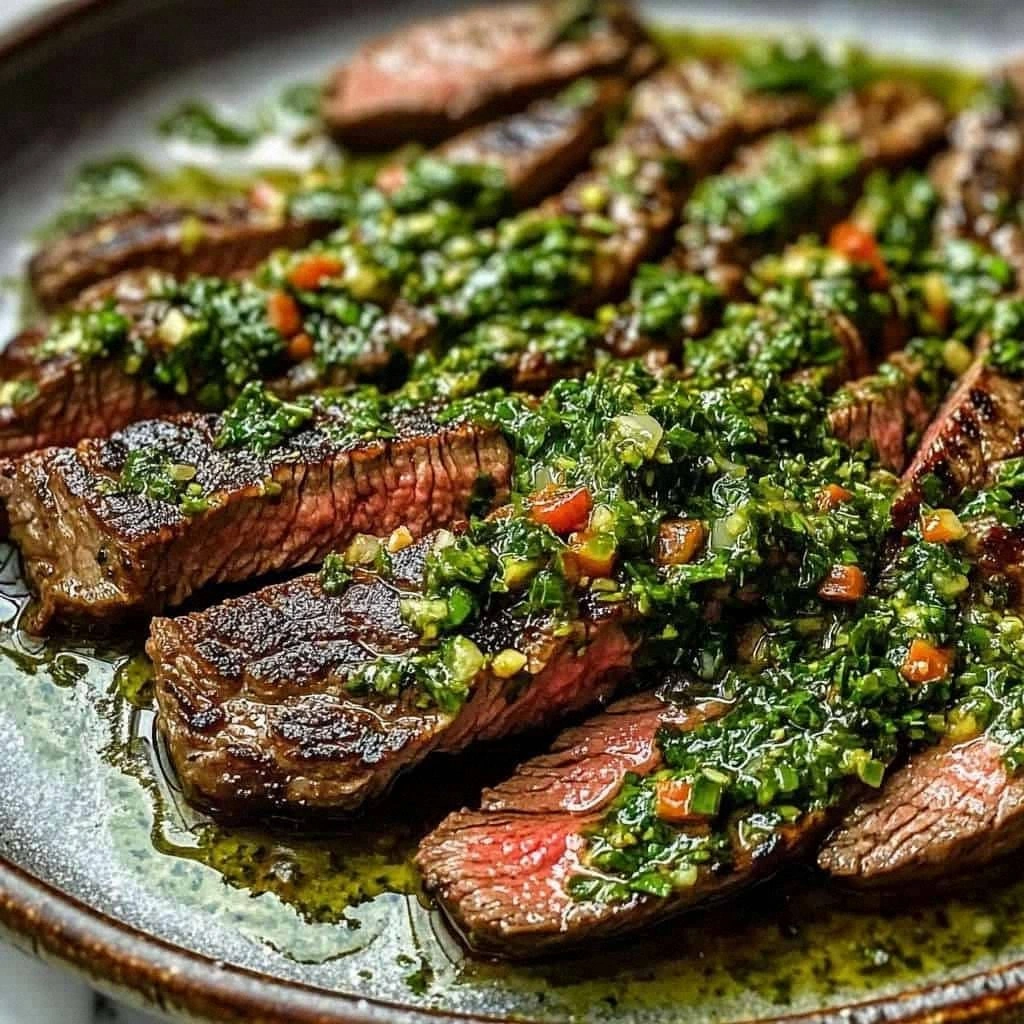
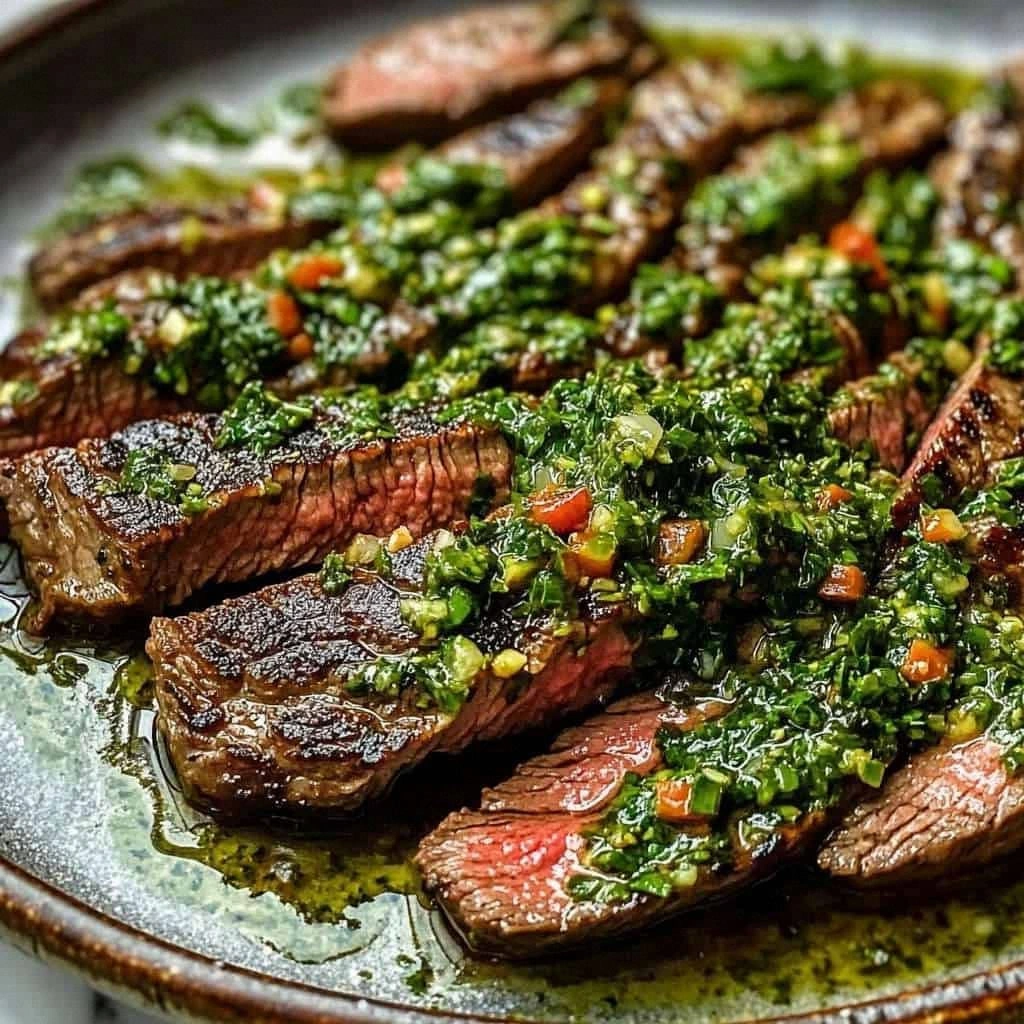
Slice the steak against the grain into 1/4-inch thick slices. This breaks up the muscle fibers and ensures every bite is tender. Arrange on a platter, spoon chimichurri over the top, and serve the rest on the side. The sauce should pool slightly around the edges, creating little pockets of flavor that people will fight over. If you've ever struggled with tough steak, you're not alone — and I've got the fix.
Watch as your guests' eyes go wide when they taste their first bite. I dare you to taste this and not go back for seconds. Actually, I dare you to stop at thirds. The combination of perfectly grilled beef and bright, herbaceous chimichurri is so addictive that I once ate half the batch before anyone else got to try it. I'll be honest — it happens more often than I care to admit.
That's it — you did it. But hold on, I've got a few more tricks that'll take this to another level...
Insider Tricks for Flawless Results
The Temperature Rule Nobody Follows
Here's what separates the pros from the amateurs: understanding that steak continues cooking after you take it off the grill. Most recipes tell you to pull at 135°F for medium-rare, but by the time it reaches the table, you're looking at 140-145°F — overcooked steak territory. The fix? Pull it at 125-130°F and let carryover cooking do the rest. Your steak will be perfectly pink from edge to edge, with no gray band of overcooked meat. A friend tried skipping this step once — let's just say it didn't end well.
Why Your Nose Knows Best
Don't underestimate the power of smell in cooking. When your steak is perfectly seared, you'll smell nutty, almost popcorn-like aromas. That's the Maillard reaction working its magic, creating hundreds of flavor compounds. If you smell acrid or burning, you've gone too far. This next part? Pure magic. Trust your nose — when it smells like the best steakhouse you've ever walked into, you're right on track.
The 5-Minute Rest That Changes Everything
I know you're hungry. I know the steak looks incredible. But those five minutes of resting aren't optional — they're everything. During this time, the muscle fibers relax and reabsorb the juices that were driven to the center during cooking. Cut too soon and you'll watch all your hard work pool onto the cutting board. Picture yourself pulling this out of the oven, the whole kitchen smelling incredible, but having the discipline to wait. It's worth it.
The Chimichurri Evolution
Here's a confession: I used to make chimichurri right before serving. Big mistake. This sauce actually gets better as it sits, the flavors melding and intensifying. Make it at least an hour ahead, but overnight is even better. The herbs release their oils, the garlic mellows, and everything harmonizes into something greater than the sum of its parts. Stay with me here — this is worth it.
The Reverse Sear Alternative
For thicker steaks (1.5 inches or more), consider the reverse sear. Start the steaks on the cooler side of the grill until they reach 110°F, then move them to direct heat for the final sear. This gives you edge-to-edge perfection with no guesswork. The low, slow start cooks the steak evenly, while the hot sear at the end creates that beautiful crust. It's more forgiving and produces restaurant-quality results every time.
Creative Twists and Variations
This recipe is a playground. Here are some of my favorite ways to switch things up:
The Spicy Argentine
Add a whole habanero to your chimichurri instead of the mild red chili. This isn't for the faint of heart — it'll clear your sinuses and make your lips tingle in the best way. The fruity heat pairs beautifully with the rich beef, creating a flavor explosion that'll have you reaching for your drink between bites.
The Mediterranean Mashup
Swap the cilantro for fresh basil and add a tablespoon of capers to the chimichurri. The briny capers and sweet basil create a Mediterranean vibe that works surprisingly well with steak. Add some lemon zest for extra brightness. This version is perfect for summer grilling when basil is abundant.
The Smoky Cowboy
Rub your steaks with chipotle powder instead of smoked paprika, and add a teaspoon of liquid smoke to your chimichurri. The result is intensely smoky and rich, perfect for those who love bold flavors. Serve with grilled corn on the cob for the full cowboy experience.
The Herb Garden
Go wild with the herbs — add fresh mint, dill, or tarragon to the traditional parsley and cilantro mix. Each herb brings its own personality, creating a more complex sauce that changes with every bite. This is a great way to use up herbs from your garden.
The Asian Fusion
Replace the red wine vinegar with rice vinegar, add a tablespoon of soy sauce to your chimichurri, and include some grated ginger. The umami from the soy sauce and the heat from the ginger create an Asian-inspired version that pairs beautifully with the beef. It's unexpected but absolutely delicious.
The Citrus Burst
Add the zest and juice of an orange to your chimichurri. The sweetness balances the vinegar's acidity, creating a more rounded flavor. This version is particularly good with grass-fed beef, which can be leaner and benefit from the extra moisture and sweetness.
Storing and Bringing It Back to Life
Fridge Storage
Leftover chimichurri keeps for up to a week in the refrigerator, though I doubt it'll last that long. Store it in a jar with a tight-fitting lid, and bring it to room temperature before using — the olive oil solidifies when cold. Give it a good shake or stir to re-emulsify everything. The flavors actually intensify over the first few days, making leftovers even better than fresh.
Freezer Friendly
Chimichurri freezes beautifully in ice cube trays. Once frozen, pop out the cubes and store in a freezer bag. You can thaw individual portions as needed, perfect for quick weeknight meals. Frozen chimichurri keeps for up to three months, though the herbs will lose some brightness. For best results, add a squeeze of fresh lemon juice after thawing to wake up the flavors.
Best Reheating Method
Leftover steak can be tricky — reheat it wrong and you end up with shoe leather. The key is gentle, indirect heat. Slice cold steak and warm it briefly in a skillet with a splash of beef stock, just until heated through. Or serve it cold over salads where its concentrated flavor shines. Add a fresh spoonful of chimichurri to liven things up. Add a tiny splash of water before reheating — it steams back to perfection without drying out.