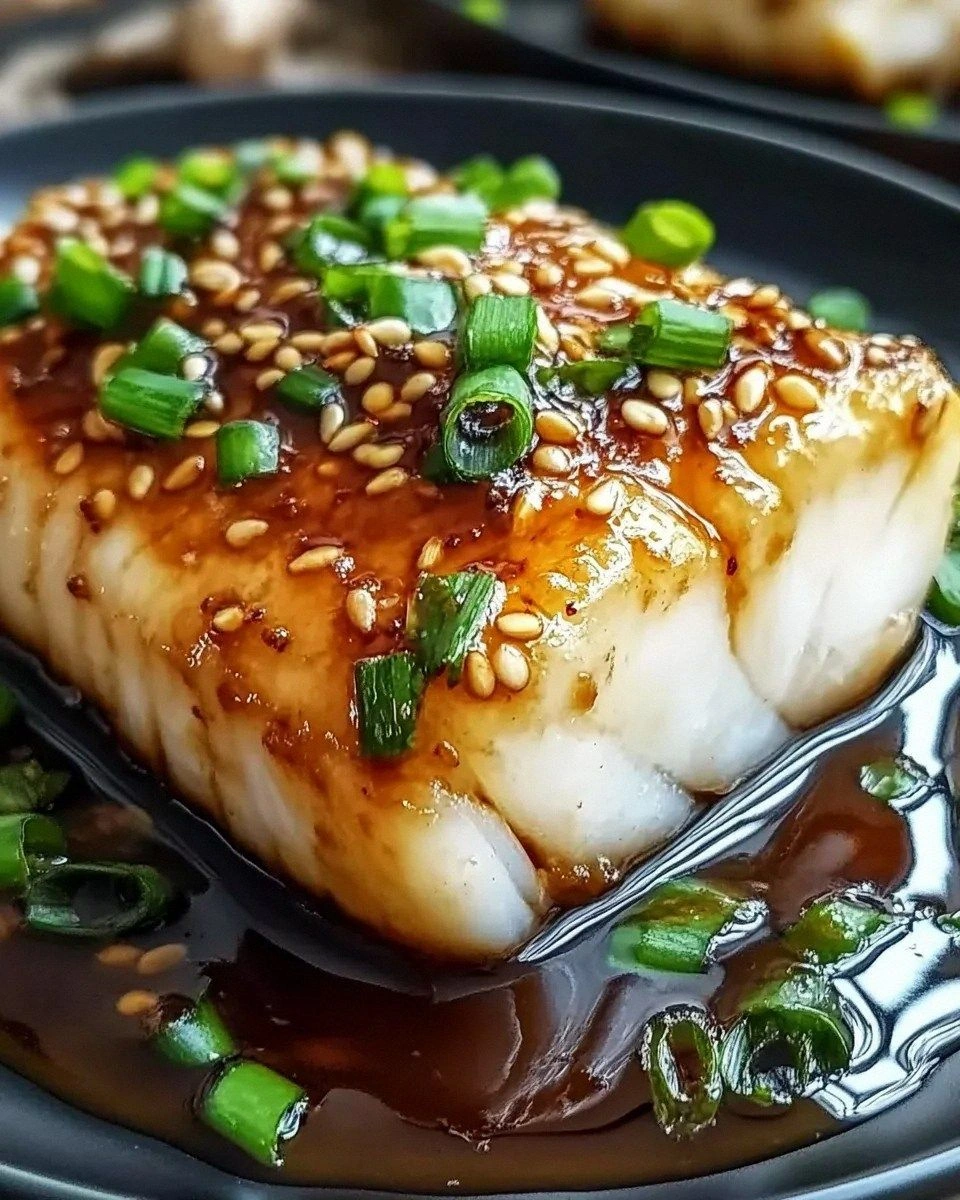
I still remember the Wednesday night I almost ordered takeout for the third time that week. My thumb was hovering over the "confirm order" button when I spotted two lonely cod fillets lurking behind a jar of kimchi and thought, "Okay, fish, you get one last chance to impress me before I drown you in teriyaki sauce and call it a life." Ten minutes later the kitchen smelled like a Tokyo alleyway after midnight—ginger, soy, and something caramel-sweet curling through the air like a sly promise. The first bite shattered my cynicism: the glaze lacquered the flaky cod in a shiny mahogany coat, edges crisping like thin ice under a boot, while the center stayed buttery enough to make me close my eyes and exhale the kind of sigh usually reserved for first kisses or tax-refund deposits. By the time the rice cooker clicked, I had already demolished half the first fillet straight from the pan with my "tasting" fork—so much for sharing. If you have ever stared into the fridge abyss and thought, "There is nothing here," allow me to introduce the recipe that will rescue you from that lie forever.
This ginger soy glazed cod is the culinary equivalent of finding a twenty in last winter's coat pocket, except better because you can eat it and not feel guilty about spending it on overpriced coffee. The sauce reduces into a sticky, shiny cloak that tastes like someone let ginger, garlic, and a hint of sweetness throw a rooftop party and the soy sauce brought the disco ball. Picture yourself pulling this out of the oven, the whole kitchen smelling like you hired a private chef who moonlights as a spice merchant, while your phone buzzes with texts asking, "What are you cooking and can I move in?" Most recipes get this dish completely wrong by drowning the fish in a thin, watery marinade that slides off faster than my resolve on a Friday night. We are going to concentrate those flavors into a glaze that clings like gossip and delivers a sweet-salty-savory punch that will make your taste buds stand up and applaud.
Okay, ready for the game-changer? We are going to sear the cod skin-side down first, basting it with the glaze like we are painting edible art, then flip once and finish in the oven so the surface caramelizes without turning the fish into shoe leather. Stay with me here—this is worth it. The method works because cod is the introvert of the seafood world: it needs coaxing, not bullying, and once you give it the right stage, it will sing like Beyoncé at full volume. I dare you to taste this and not go back for seconds; I have seen self-proclaimed "I don't eat fish" friends inhale it and then ask, slightly dazed, "Wait, that was healthy?" Yes, my friend, it is lean protein, anti-inflammatory ginger, and low-sodium soy doing a synchronized swimming routine on your plate, and you are about to win dinner.
Let me walk you through every single step—by the end, you will wonder how you ever made it any other way.
What Makes This Version Stand Out
Flavor Bomb: Most glazes taste like watered-down soy puddle. We reduce mirin, fresh ginger, and garlic until it is syrupy enough to coat a spoon like velvet, then paint it on in glossy layers so every flake carries maximum punch.
Texture Heaven: Searing plus a quick oven finish gives you shatter-crisp edges and a custard-soft center. Think of it as the seafood equivalent of a crème brûlée top meeting a cloud.
Weeknight Lightning: From fridge to plate in 25 minutes, including the time you spend doing that awkward dance of trying to open a beer with one hand while the pan heats up.
One-Pan Wonder: Skillet to oven to table, minimal dishes, maximal bragging rights. You will spend longer deciding what to watch on Netflix than cleaning up.
Pantry Friendly: Soy, ginger, garlic, honey. If your kitchen does not have these, I am side-eyeing you harder than when someone says they "forgot" to eat lunch.
Crowd Magician: Serve it over rice, cauliflower mash, or shredded lettuce cups and watch it disappear faster than free donuts in an office break room.
Make-Ahead Hero: The glaze keeps for a week in the fridge and doubles as a dressing for noodles, roasted veg, or that sad Tupperware of grilled chicken you swore you would eat.
Alright, let us break down exactly what goes into this masterpiece.
Inside the Ingredient List
The Flavor Base
Cod: Go thick—at least an inch. Thin fillets will overcook before the glaze has time to lacquer. Look for translucent, pearlescent flesh that smells like a seaside vacation, not a fishing boat dumpster. If cod looks tired, swap in halibut or black cod; just do not tell the purists.
Fresh Ginger: The powdered stuff belongs in gingerbread, not here. Fresh ginger brings spicy heat that blooms into floral sweetness as it cooks. Peel with a spoon (the edge scrapes off paper-thin skin without wasting precious root) and mince until you have a fragrant heap that smells like possibility.
The Salty-Sweet Crew
Low-Sodium Soy Sauce: Regular soy can bulldoze the delicate fish into salt lick territory. Low-sodium keeps the umami train rolling while letting the ginger sing backup vocals. If you only have full-salt soy, whisk in an extra teaspoon of honey to balance.
Mirin: Japanese sweet rice wine that adds gloss and complexity. No mirin? Mix equal parts dry sherry and sugar, or use sake plus a pinch of honey, but do not skip the sweetness—it is the yin to soy’s yang.
Honey: Sticks to the fish like gossip in a small town and caramelizes into sticky shards that crunch then melt. Maple syrup works in a pinch, but honey brings a floral depth that makes your tongue do a happy little tap dance.
The Aromatics
Garlic: One fat clove, micro-planed so it dissolves into the glaze instead of burning into bitter nuggets. Garlic is the hype man who gets the crowd going but knows when to exit before overstaying.
Toasted Sesame Oil: A whisper at the end for nutty perfume. Too much and you will feel like you are licking a sesame bar, so restrain yourself even if your inner foodie is screaming "more, more!"
The Unexpected Star
Rice Vinegar: Just a teaspoon to brighten and cut through richness like a squeeze of lemon on roasted chicken. Skip it and the glaze tastes flat, like a joke without a punchline.
Everything is prepped? Good. Let us get into the real action.
The Method — Step by Step
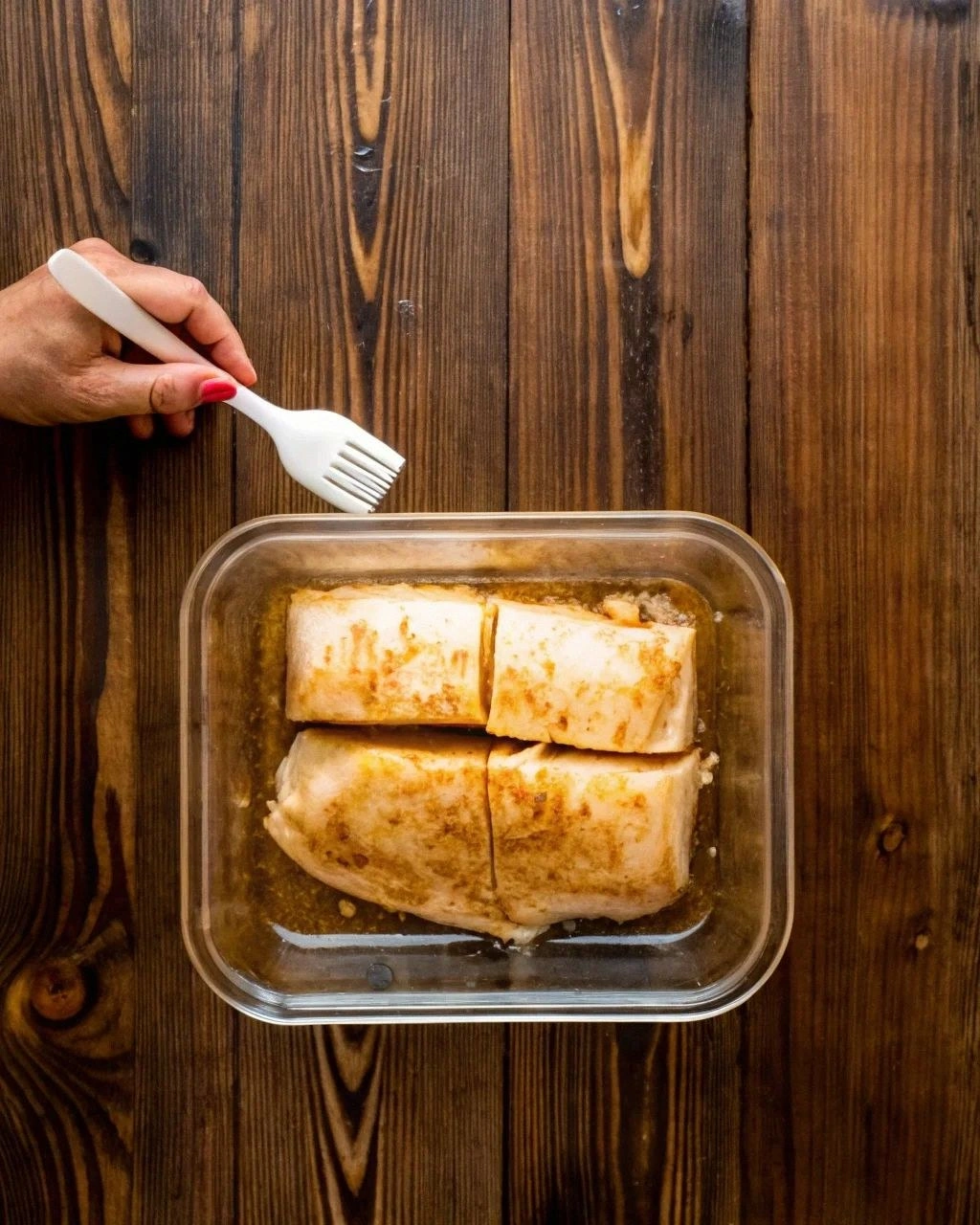
- Pat the cod absolutely dry with paper towels like you are blotting lipstick. Moisture is the enemy of sear; water will steam the fish into cottony submission. Season both sides with a confident pinch of salt and a few cracks of white pepper—nothing fancy, just a flavor foundation.
- Whisk soy, mirin, honey, vinegar, ginger, and garlic in a small saucepan. Bring to a gentle simmer over medium heat; it should burble like a lazy jacuzzi. Reduce for 6–7 minutes until glossy and thick enough to coat the back of a spoon. Swirl in sesame oil off heat. The kitchen will smell like you hired a Japanese grandma as your personal aromatherapist.
- Preheat oven to 400 °F. Heat an oven-safe skillet over medium-high until a drop of water sizzles like it is mad at you. Add just enough neutral oil to film the bottom; we are shallow-frying, not deep-frying. Lay the cod skin-side down and do not touch it for three full minutes—this is the moment of truth where the crust forms.
- While the first side sears, brush the exposed top generously with glaze. Listen for the edges to start crackling like tiny fireworks; that is caramelization happening and it is pure magic. When the sides turn opaque halfway up, flip the fillets with a confident spatula motion—no wimpy hesitation or the fish will tear like cheap tissue paper.
- Immediately brush the now-top side with more glaze and transfer the skillet to the oven. Roast for 4–6 minutes depending on thickness; the fish should flake under gentle protest when you nudge it with a fork. Do not walk away from the stove here—overcooked cod goes from silk to sawdust faster than you can say "takeout."
- Pull the skillet out, drown the fillets one last time with glossy sauce, and let them rest for two minutes. Resting allows the juices to settle so you do not lose them to the cutting board like culinary tears.
- Serve over steamed rice, quinoa, or a tangle of sesame-dressed soba. Scatter sliced scallions and toasted sesame seeds for crunch and color. Sit back and accept compliments like the modest kitchen rockstar you now are.
That is it—you did it. But hold on, I have got a few more tricks that will take this to another level.
Insider Tricks for Flawless Results
The Temperature Rule Nobody Follows
Room-temperature fish sears more evenly. Pull cod from the fridge 15 minutes before cooking; cold protein shocks the pan, drops the heat, and you end up steaming instead of searing. I learned this the hard way when my "golden" crust looked more like gray flannel and tasted about as exciting.
Why Your Nose Knows Best
When the glaze shifts from sharp ginger to rounded toffee aroma, it is ready. Trust your olfactory factory; it is more accurate than any timer. A friend tried skipping this step once—let us just say her kitchen smelled like burnt molasses and regret for days.
The 5-Minute Rest That Changes Everything
After glazing, park the cooked cod on a warm plate tented loosely with foil. Five short minutes lets the fibers relax so juices redistribute instead of flooding your rice like a soy tsunami. Patience, young padawan, and the texture rewards you like velvet slippers on a cold morning.
Spoon-Baste Brilliance
While the first side sears, tilt the pan so oil pools, then ladle it over the top. This mini-baste jump-starts cooking so the flip needs less oven time, keeping the center pearly and moist like a seafood spa treatment.
Glaze Double-Duty
Make a double batch and keep half in a squeaky-clean jar. It will live happily in the fridge for two weeks, ready to rescue stir-fried greens, grilled chicken, or even a sad desk salad. Future-you will send present-you a thank-you text.
Creative Twists and Variations
This recipe is a playground. Here are some of my favorite ways to switch things up:
Spicy Miso Upgrade
Whisk a teaspoon of white miso and a squirt of sriracha into the glaze. The fermented funk and gentle heat turn the polite original into a party animal that pairs perfectly with cold beer and loud music.
Coconut-Lime Vacation
Swap mirin for coconut milk and finish with lime zest and a scatter of fresh cilantro. Suddenly you are on a beach in Thailand, barefoot, chasing sunset instead of deadlines.
Maple-Smoky Northern Version
Use maple syrup instead of honey and add a dash of smoked paprika. The glaze tastes like campfire and autumn leaves, ideal for those nights when you want comfort but still fit into skinny jeans.
Sesame-Crusted Crunch
Dredge the seared side in toasted sesame seeds before the oven stint. They toast to nutty perfection and add a crunch that shatters like thin ice under a skate blade.
Ginger-Scallion Ramen Topper
Flake leftover cod over instant ramen, drizzle with leftover glaze, and crown with a jammy seven-minute egg. Instant upgrade from dorm food to slurp-worthy bistro bowl at 2 a.m.
Sushi-Style Cold Salad
Chill cooked cod, break into chunks, and fold with cucumber, avocado, and a spoon of the glaze thinned with rice vinegar. Serve in lettuce cups for a no-cook lunch that makes co-workers jealous.
Storing and Bringing It Back to Life
Fridge Storage
Cool the fillets completely, then park in an airtight container with a sheet of parchment pressed directly on the surface to prevent the glaze from crystallizing. Refrigerate up to three days, though texture peaks at day two like a well-timed punchline.
Freezer Friendly
Freeze portions on a parchment-lined tray until solid, then vacuum-seal or wrap tightly in foil plus a zip bag. Label with smug confidence; future-you will thank present-you for the foresight. Keeps up to two months without quality dive.
Best Reheating Method
Thaw overnight in the fridge, then warm in a 275 °F oven for 8 minutes with a tiny splash of water in the covered dish. Steam resurrects the glaze to its former glossy glory without turning the fish into rubber coasters. Microwave at your own peril; I will pretend I did not hear that suggestion.