I was halfway through a midnight ramen binge when the kitchen exploded with a sizzling panic. The soy sauce bottle slipped, splattering a bright, sticky trail across the counter, and I stared at the mess like a detective at a crime scene. That moment of chaos was the spark that lit my culinary curiosity and, quite literally, my taste buds. I dared myself to turn that disaster into a masterpiece, and what I came up with is a gluten‑free teriyaki tofu that feels like a secret weapon in any pantry.
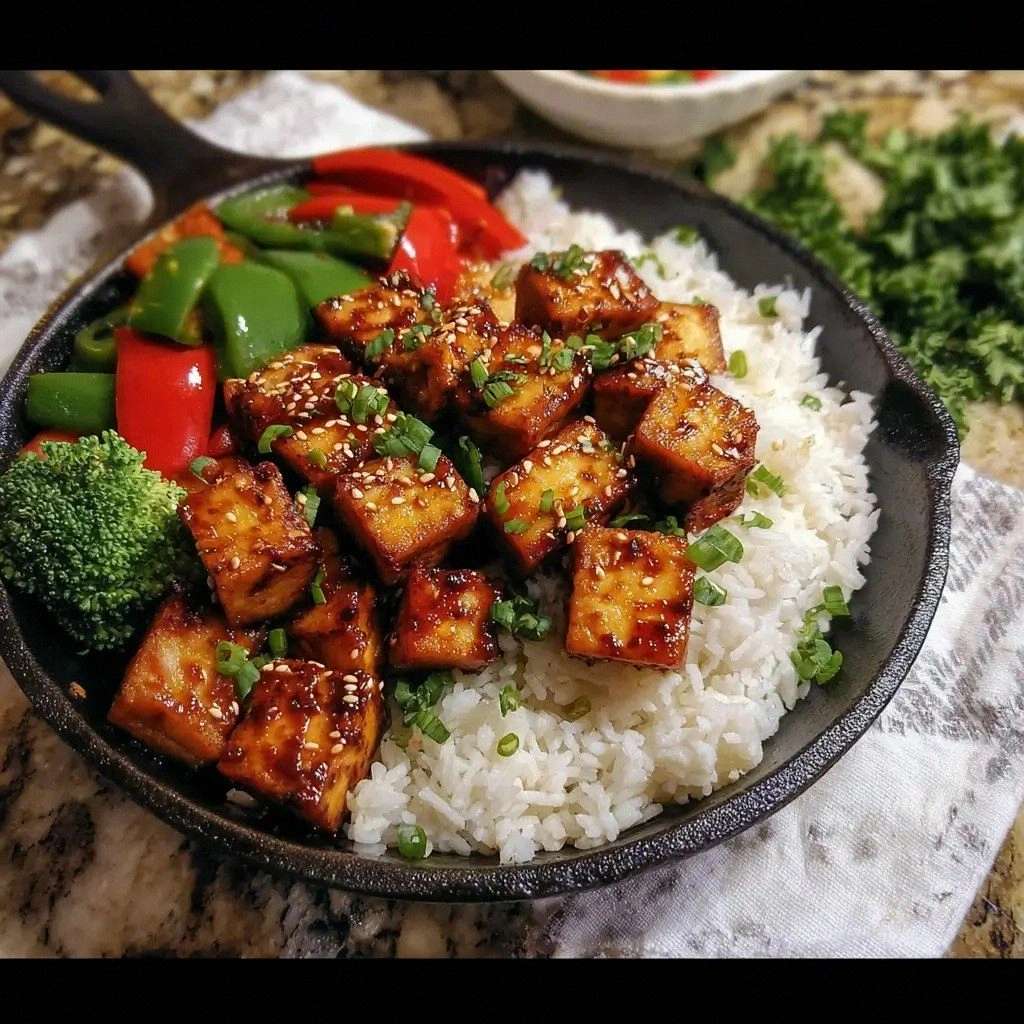
Picture the aroma: a sweet, caramelized glaze dancing with sharp ginger notes, the scent of toasted sesame seeds filling the air, and the faint, comforting whisper of garlic. The sound is a satisfying hiss as tofu meets hot oil, the crackle that promises crisp edges. Visually, the tofu cubes glisten like tiny amber jewels, their surfaces caramelized to a golden‑brown perfection. When you bite, the exterior shatters like thin ice, revealing a soft, silky interior that melts with a subtle, umami burst. The final touch of green onion adds a fresh, almost citrusy brightness, completing the sensory symphony.
What makes this version stand out is that it takes the classic teriyaki flavor profile and elevates it with a few strategic twists. I swapped regular soy sauce for gluten‑free tamari, which gives a richer, deeper umami without the wheat. The glaze is balanced by maple syrup, adding a natural sweetness that cuts through the saltiness without overpowering. I also incorporated cornstarch to create a silky coating that traps the glaze, giving each bite a luxurious mouthfeel. The result is a dish that feels indulgent yet remains entirely plant‑based, proving that tofu can be both comforting and adventurous.
If you’ve ever struggled with tofu that turns out mushy or bland, you’re not alone. I’ve been there, watching a batch of tofu sink into a bland sauce and wondering why it didn’t rise to the occasion. This recipe is a game‑changer because it addresses that exact problem, turning tofu into a star rather than a sidekick. The secret is in the technique—drying the tofu, coating it lightly, and searing it to lock in flavors. The result is a dish that will have you reaching for seconds, and maybe even thirds, with that classic “I dare you to taste this and not go back for seconds” vibe.
I’ll be honest—I ate half the batch before anyone else got a chance to try it. The first bite was a revelation: a crispy exterior, a sweet‑savory glaze, and a tender interior that practically dissolved in my mouth. That moment of triumph is what I want to share with you today. I’m going to walk you through every single step, from selecting the tofu to serving the final dish, so by the end, you’ll wonder how you ever made it any other way.
What Makes This Version Stand Out
- Flavor: The combination of tamari, maple syrup, and ginger creates a depth that’s both sweet and savory, elevating the tofu from ordinary to extraordinary.
- Texture: A light cornstarch coating locks in moisture while giving the tofu a satisfying crunch that shatters like thin ice when bitten.
- Gluten‑Free: Using tamari and gluten‑free cornstarch ensures the dish is safe for those with gluten sensitivities without sacrificing flavor.
- Time‑Efficient: The entire process takes less than an hour, making it perfect for busy weeknights or last‑minute dinner parties.
- Make‑Ahead Friendly: The tofu can be marinated overnight, allowing the flavors to deepen while you’re running errands.
- Versatility: It pairs beautifully with rice, quinoa, or a simple salad, making it a flexible main or side dish.
Inside the Ingredient List
The Flavor Base
Gluten‑Free Tamari: This soy sauce substitute is the backbone of the glaze, providing a rich umami punch that balances the sweetness of maple syrup. Tamari’s slightly thicker consistency helps the glaze cling to the tofu, creating a glossy coating. If you can’t find tamari, a combination of low‑sodium soy sauce and a splash of rice vinegar can mimic the depth, but the flavor will be less rounded.
Maple Syrup: The natural sweetness of maple syrup cuts through the saltiness of the tamari and adds a subtle caramel note. It also contributes to the caramelization process, giving the tofu a beautiful golden hue. If you prefer a different sweetener, agave nectar or brown rice syrup work well, though they’ll alter the flavor profile slightly.
Garlic & Ginger: Fresh garlic and ginger introduce a bright, aromatic kick that prevents the dish from feeling flat. The garlic adds depth, while the ginger provides a zesty lift that complements the sweet glaze. Mince the garlic finely and grate the ginger to ensure even distribution of flavors.
The Texture Crew
Firm Tofu: Choosing a firm or extra‑firm tofu is essential; it holds its shape during cooking and provides a satisfying bite. Press the tofu between paper towels for at least 15 minutes to remove excess water, which prevents sogginess. Slice the tofu into even cubes to ensure uniform cooking and glaze absorption.
Cornstarch: A light dusting of cornstarch creates a silky barrier that traps the glaze, giving the tofu a velvety finish. It also helps the tofu crisp up in the pan by absorbing moisture. If you’re gluten‑free, ensure the cornstarch is labeled gluten‑free to avoid cross‑contamination.
Sesame Oil & Seeds: Sesame oil adds a nutty aroma that rounds out the glaze, while toasted sesame seeds provide a crunchy texture and a pop of color. Drizzle the oil over the tofu just before searing to enhance the caramelization. Sprinkle the seeds at the end for a fresh finish.
The Unexpected Star
Water: Adding a small splash of water to the glaze prevents it from becoming too thick and ensures it glides smoothly over the tofu. It also helps the glaze set into a glossy finish. Be careful not to add too much; the glaze should still cling to the tofu.
Green Onions: Sliced green onions add a fresh, bright contrast to the rich glaze, cutting through the sweetness with a subtle sharpness. They also provide a pop of color, making the dish visually appealing. Chop the onions finely so they distribute evenly across the tofu.
Vegetable Oil: A neutral oil such as canola or grapeseed is ideal for searing, as it has a high smoke point and doesn’t interfere with the glaze’s flavor. Use just enough to coat the pan; too much oil can lead to soggy tofu.
The Final Flourish
Black Pepper: A pinch of freshly ground black pepper adds a subtle heat that balances the sweet glaze. It also enhances the overall flavor complexity without overpowering the main components. Adjust the amount to suit your heat preference.
Optional Extras: If you want to add a smoky depth, a few drops of liquid smoke can be incorporated into the glaze. For a citrus twist, a splash of lime juice brightens the dish and adds a refreshing tang. Experiment with these extras to personalize the recipe to your taste.
Everything’s prepped? Good. Let’s get into the real action and start cooking.
The Method — Step by Step
- Marinate the Tofu: In a shallow dish, whisk together tamari, maple syrup, minced garlic, grated ginger, sesame oil, and a splash of water. Gently fold in the tofu cubes, ensuring each piece is coated. Cover and refrigerate for at least 30 minutes, or overnight for deeper flavor. The tofu will absorb the glaze, becoming infused with umami and sweetness.
- Prepare the Pan: Heat a non‑stick skillet over medium‑high heat and add vegetable oil. Once the oil shimmers, place a single layer of tofu cubes, leaving space between them. Let them sear without moving for 2–3 minutes, allowing a golden crust to form. Flip the cubes, and repeat the searing process on the other side.
- Coat with Cornstarch: While the tofu is searing, lightly dust the cubes with cornstarch in a shallow bowl. Toss the tofu to coat evenly, shaking off excess. The cornstarch will create a silky barrier that traps the glaze, giving each cube a luxurious mouthfeel. This step is essential for achieving that perfect balance between crisp and tender.
- Deglaze the Pan: Once the tofu is browned, pour the remaining glaze mixture into the skillet. Stir quickly to prevent sticking, letting the glaze reduce and thicken. The glaze should coat the tofu like velvet, clinging to every crevice. Keep the heat moderate to avoid burning the sugars.
- Watch Out: Be careful not to let the glaze burn; the sugars can scorch quickly. If you notice a darkening or a bitter smell, lower the heat immediately and add a splash of water to thin it out. This step is crucial for maintaining the sweet‑savory balance.
- Finish with Sesame Seeds: Sprinkle toasted sesame seeds over the tofu, letting them toast in the pan for a minute. The seeds add a nutty crunch and a pop of color that enhances the dish’s visual appeal. Stir gently to distribute the seeds evenly across the tofu.
- Final Touches: Drizzle the remaining sesame oil over the tofu and add a pinch of black pepper. Toss the tofu gently to ensure all flavors are evenly distributed. Let the tofu rest for a minute; this allows the glaze to set into a glossy finish.
- Garnish and Serve: Transfer the tofu to a serving platter and scatter sliced green onions over the top. The onions add a fresh, bright contrast that cuts through the richness of the glaze. Serve immediately over rice, quinoa, or a crisp salad. The dish is best enjoyed hot, when the glaze is still glossy and the tofu is at its crispest.
That's it — you did it. But hold on, I've got a few more tricks that'll take this to another level.
Insider Tricks for Flawless Results
The Temperature Rule Nobody Follows
Heat matters: Cooking tofu at the right temperature is the difference between soggy and crispy. I’ve found that medium‑high heat (around 375°F) creates a caramelized crust while keeping the interior tender. If the pan is too hot, the glaze burns before the tofu cooks through; if it's too cool, the tofu releases excess moisture. Use a thermometer or watch for the first crack of color as your cue.
Why Your Nose Knows Best
Smell the sauce: As the glaze reduces, it will start to emit a caramelized aroma. When that scent hits your nose, the glaze is at its peak. Don’t be tempted to rush; let the sauce thicken slowly. The smell is a reliable indicator that the glaze will cling to the tofu beautifully.
The 5-Minute Rest That Changes Everything
Let it breathe: After cooking, set the tofu aside for 5 minutes before serving. This resting period allows the glaze to set into a glossy coat and the tofu to firm up. I’ve seen people skip this step, resulting in a soggy texture. Trust me, that 5‑minute pause makes all the difference.
Sticking to the Right Pan
Pan choice: A heavy‑bottom skillet retains heat better, ensuring even searing. I’ve used a cast iron pan for the best results, but a stainless steel skillet works just fine if you monitor the heat closely. Avoid non‑stick pans for extended high‑heat cooking, as they can degrade over time.
The Perfect Finish
Final glaze drizzle: Right before serving, give the tofu a quick drizzle of sesame oil. It adds a glossy sheen and a nutty aroma that elevates the dish. If you’re serving a crowd, keep a small bowl of sesame oil on the table for guests to add their own touch.
Creative Twists and Variations
This recipe is a playground. Here are some of my favorite ways to switch things up:
Spicy Sriracha Kick
Swap the glaze: Add a tablespoon of sriracha to the original sauce for a fiery punch. The heat will contrast the sweet maple syrup, creating a complex flavor profile. Serve with a cool cucumber salad to balance the heat.
Coconut‑Infused Delight
Replace water with coconut milk: Use 1/4 cup coconut milk in the glaze for a tropical twist. The coconut adds a subtle sweetness and a creamy texture. Pair this version with jasmine rice for an island vibe.
Miso‑Rich Variation
Incorporate miso paste: Stir in one tablespoon of white miso into the glaze for an umami boost. The miso deepens the flavor and adds a silky finish. This version is perfect for a cozy dinner.
Herb‑Lemon Freshness
Freshen up the sauce: Add a squeeze of lemon juice and a handful of chopped fresh basil. The lemon brightens the dish, while basil adds an aromatic lift. This variation is ideal for a light, summery meal.
Roasted Veggie Combo
Serve with roasted veggies: Toss broccoli, bell peppers, and carrots in olive oil and roast until caramelized. The vegetables complement the tofu’s glaze and add a satisfying crunch. This combo turns the dish into a complete, balanced plate.
Storing and Bringing It Back to Life
Fridge Storage
Cool and seal: Store the cooked tofu in an airtight container in the refrigerator for up to 3 days. The glaze may thicken slightly, but the tofu remains tender. When ready to serve, reheat gently in a pan over low heat to restore the glaze’s sheen.
Freezer Friendly
Freeze in portions: Place the tofu in a single layer on a baking sheet and freeze until solid. Transfer to a freezer bag for long‑term storage, up to 2 months. Thaw overnight in the refrigerator before reheating.
Best Reheating Method
Gentle heat: Reheat the tofu in a skillet over medium heat, adding a splash of water or soy sauce to loosen the glaze. Stir gently to prevent sticking. A quick 2‑minute heat will revive the crispy edges and restore the glaze’s glossy finish.
Pro tip: Add a tiny splash of water before reheating; it steams the tofu back to perfection, keeping it moist and flavorful.