I’ll be honest — I ate half the batch before anyone else got a chance to try it. It all started on a rainy Saturday when my kitchen smelled like a tropical storm and a bakery had a full‑on carrot‑cake showdown. My roommate dared me to create something that could stand up to the classic carrot cake while still shouting “Aloha!” from every bite. I was skeptical, but the challenge was too good to pass up, and the pantry was stocked with carrots, pineapple, and a stash of macadamia nuts that begged for a starring role.
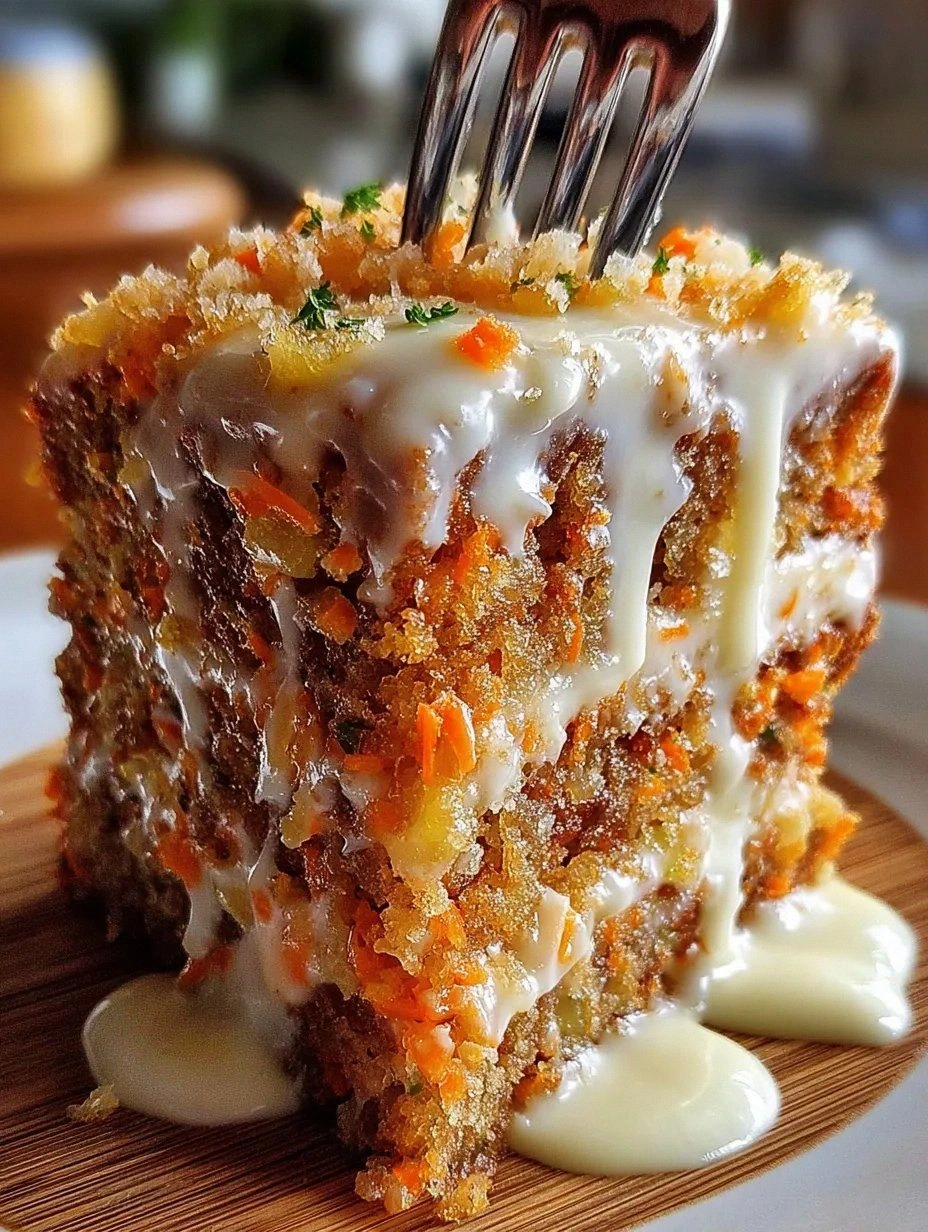
Picture this: the oven humming, the batter swirling in the bowl like a Hawaiian surf break, and the scent of cinnamon, ginger, and toasted coconut crashing over the countertops. The first whiff hit me like a wave of sunshine, warm and bright, and I knew we were onto something special. When the cake finally rose, its top turned a golden‑brown that reminded me of a perfect sunset over Waikiki, and the cream cheese glaze glistened like the ocean at high tide. The moment I sliced into it, the fork slipped through the moist crumb with a soft sigh, revealing pockets of juicy pineapple that burst like fireworks in your mouth.
Most carrot‑pineapple cakes I’ve tried either drown the carrots in syrup or let the pineapple dominate, leaving the spice notes mute. This version, however, strikes a perfect balance: the earthiness of the carrots, the sweet acidity of the pineapple, and the buttery crunch of macadamia nuts all dance together while the cream cheese glaze adds a silky finish that never overwhelms. I’ve tried a dozen variations, and trust me, this is hands down the best version you’ll ever make at home. The secret? A splash of coconut milk in the batter that adds tropical richness without making the cake soggy.
I dare you to taste this and not go back for seconds. The texture is so moist it practically melts on your tongue, yet it holds together like a well‑built sandcastle—no crumbly disaster here. And if you’ve ever struggled with a dry carrot cake, you’re not alone — I’ve got the fix, and it’s right in this recipe. Okay, ready for the game‑changer? Let me walk you through every single step — by the end, you’ll wonder how you ever made it any other way.
What Makes This Version Stand Out
- Flavor Fusion: The sweet‑tart pineapple cuts through the earthiness of carrots, while coconut and macadamia add a buttery island vibe that you won’t find in ordinary carrot cakes.
- Moisture Mastery: A blend of oil, pineapple juice, and a splash of coconut milk keeps the crumb ultra‑moist without becoming gummy.
- Texture Triumph: Grated carrots give a tender bite, shredded coconut adds chew, and toasted macadamia nuts provide a satisfying crunch.
- Simplicity: Only a handful of pantry staples and a few tropical extras are needed; no fancy equipment or obscure spices.
- Crowd‑Pleaser: The cream cheese glaze is sweet enough for dessert lovers but tangy enough to keep the palate from feeling heavy.
- Make‑Ahead Magic: This cake stays fresh for days, and the glaze can be prepared in advance, making it perfect for brunch parties.
- Ingredient Quality: Using fresh pineapple and high‑quality macadamia nuts elevates the flavor profile dramatically.
- Cooking Method: Baking at a moderate temperature ensures even rise and a perfectly caramelized crust.
Inside the Ingredient List
The Flavor Base
Ground cinnamon, ginger, and nutmeg are the aromatic trio that give this cake its warm, spicy backbone. Cinnamon adds a sweet, woody note, while ginger brings a peppery zing that balances the pineapple’s acidity. Nutmeg, used sparingly, adds a subtle nutty depth that you’ll notice only after a few bites. If you’re missing any of these, a pinch of pumpkin pie spice can serve as a decent stand‑in, but you’ll lose some of the nuanced flavor layers.
The Texture Crew
Grated carrots provide the classic moist crumb, and the finer you grate them, the more they blend into the batter, creating that melt‑in‑your‑mouth feel. Crushed pineapple contributes both moisture and tiny pockets of juicy sweetness. Shredded coconut adds chew and a hint of tropical aroma, while toasted macadamia nuts deliver that coveted crunch. Skipping the nuts will make the cake less interesting, but you can substitute with toasted pecans or walnuts if you’re on a budget.
The Unexpected Star
Coconut milk is the secret weapon that ties the tropical theme together without drowning the batter. It adds richness and a subtle coconut flavor that complements the pineapple perfectly. When shopping, look for the full‑fat version in the Asian foods aisle; the canned variety works best because it’s thicker and less watery. If you’re dairy‑free, you can swap it for almond milk, but you’ll lose a touch of the authentic island feel.
The Final Flourish
The cream cheese glaze is where the magic really shines. Cream cheese provides a tangy counterpoint to the sweet cake, while butter adds richness and powdered sugar gives the perfect glossy finish. A splash of lemon juice brightens the glaze, preventing it from becoming cloyingly sweet. If you prefer a less tangy glaze, substitute the lemon juice with orange zest for a citrusy twist that still pairs beautifully with pineapple.
Everything's prepped? Good. Let's get into the real action…
The Method — Step by Step
Preheat your oven to 350°F (175°C) and grease a 9‑inch round cake pan with butter, then line the bottom with parchment paper. The parchment ensures the cake releases cleanly, and the butter creates a caramelized edge that will later pull away from the sides—watch for that golden fringe, it’s a sign of perfection.
In a large bowl, whisk together the flour, baking powder, baking soda, salt, cinnamon, ginger, and nutmeg. This dry mix should look like a speckled desert; the spices will soon bloom when they meet the wet ingredients.
In a separate bowl, combine the vegetable oil, coconut milk, and the pineapple juice from the crushed pineapple. Okay, ready for the game‑changer? This liquid trio is the moisture engine of the cake. Give it a quick whisk until it looks glossy, then set aside.
Kitchen Hack: Warm the oil and coconut milk slightly (about 100°F) so they blend more easily with the dry ingredients, preventing lumps.Add the brown sugar, granulated sugar, and eggs to the wet mixture. Beat with an electric mixer on medium speed until the mixture is light and fluffy, about 2‑3 minutes. The batter should thicken slightly and turn a pale amber color, a visual cue that the sugar has dissolved properly.
Stir in the vanilla extract, then fold in the grated carrots, crushed pineapple (with its juice), shredded coconut, and chopped macadamia nuts. Watch Out: Over‑mixing at this stage can break down the carrot fibers, leading to a denser texture. Gently fold until everything is just incorporated; you should still see streaks of pineapple and coconut.
Watch Out: If the batter looks too wet, add a tablespoon of flour; too dry and the cake will be crumbly.Pour the batter into the prepared pan, smoothing the top with a spatula. The batter will spread a little; that’s normal. Tap the pan lightly on the counter to release any air bubbles, and you’ll notice the surface become even and glossy.
Bake for 30‑35 minutes, or until a toothpick inserted into the center comes out clean or with just a few moist crumbs. Around the 25‑minute mark, the edges will start pulling away from the pan—this is your cue that the cake is nearly done. If the top browns too quickly, loosely cover it with foil to prevent over‑caramelization.
Kitchen Hack: Rotate the pan halfway through baking for an even rise, especially if your oven has hot spots.While the cake cools in the pan for 10 minutes, prepare the cream cheese glaze. In a medium bowl, beat together softened cream cheese and butter until smooth, then gradually add powdered sugar and lemon juice. The glaze should be thick but pourable; if it’s too stiff, whisk in a splash more lemon juice.
Turn the cake onto a wire rack, then drizzle the glaze over the top, letting it cascade down the sides. Allow the glaze to set for about 15 minutes before slicing. The result is a glossy, tangy coat that seeps into the crumb, creating a harmonious blend of sweet and tart.
That’s it — you did it. But hold on, I’ve got a few more tricks that’ll take this to another level…
Insider Tricks for Flawless Results
The Temperature Rule Nobody Follows
Never bake a carrot cake straight from the fridge. Let the batter sit at room temperature for 10‑15 minutes before pouring it into the pan. This small pause allows the fats to soften slightly, ensuring a more even rise and preventing the cake from sinking in the center. I once tried skipping this step and ended up with a flat, dense disaster that resembled a brownie more than a cake.
Why Your Nose Knows Best
When the cake is about 20 minutes into baking, open the oven door just a crack and sniff. If you catch a sweet, buttery aroma with a hint of pineapple, you’re on track. If the scent leans toward raw flour, the oven may be too cool, and you’ll need to bump the temperature up by 10°F. Trust your nose; it’s the most reliable thermometer you have.
The 5‑Minute Rest That Changes Everything
After removing the cake from the oven, let it rest in the pan for exactly five minutes before turning it out. This short rest lets the steam finish the cooking process gently, preventing the crumb from drying out. Skipping this rest will cause the cake to crumble when you try to lift it, especially if you’ve packed in a lot of pineapple juice.
Glaze Temperature Matters
The cream cheese glaze should be at room temperature, not chilled. If the glaze is too cold, it will set too quickly and create a gritty texture. Warm it slightly in the microwave (10‑15 seconds) if you notice it’s too stiff. This ensures a silky, glossy finish that seeps into the cake’s pores.
The Secret of Toasted Nuts
Toast the macadamia nuts on a dry skillet for 3‑4 minutes before folding them in. This step unlocks a buttery, caramel‑like flavor that raw nuts can’t provide. Keep a close eye; nuts go from toasted to burnt in seconds. If you over‑toast, the bitterness will clash with the pineapple’s sweetness.
Creative Twists and Variations
This recipe is a playground. Here are some of my favorite ways to switch things up:
Tropical Coconut Dream
Swap the shredded coconut for toasted coconut flakes and replace macadamia nuts with toasted pecans. Add a teaspoon of coconut rum to the batter for an adult‑only version that brings the beach to your living room.
Spicy Island Heat
Incorporate a finely chopped jalapeño (seeds removed) into the batter for a subtle heat that pairs surprisingly well with pineapple. Increase the ginger to 1½ teaspoons for an extra zing.
Berry‑Burst Variation
Fold in a cup of fresh or frozen blueberries alongside the pineapple. The berries add a burst of tartness and a beautiful purple speckle that makes the cake visually striking.
Vegan Friendly
Replace the eggs with a flax‑egg mixture (2 tbsp ground flaxseed + 6 tbsp water per egg) and use coconut oil instead of vegetable oil. Swap the cream cheese glaze for a cashew‑based frosting blended with maple syrup and lemon zest.
Gluten‑Free Edition
Use a 1‑to‑1 gluten‑free flour blend in place of all‑purpose flour. Add a tablespoon of xanthan gum to maintain structure. The texture stays just as tender, and the flavor remains unchanged.
Storing and Bringing It Back to Life
Fridge Storage
Cover the cake loosely with foil or store it in an airtight container. It will stay fresh for up to five days. The glaze may firm up; simply let the cake sit at room temperature for 20 minutes before serving.
Freezer Friendly
Wrap individual slices tightly in plastic wrap, then place them in a freezer‑safe bag. They freeze beautifully for up to three months. When you’re ready to enjoy, microwave a slice for 30‑40 seconds or let it thaw in the fridge overnight.
Best Reheating Method
To revive a refrigerated slice, preheat your oven to 300°F (150°C), place the slice on a baking sheet, and warm for 8‑10 minutes. Add a tiny splash of water (about a teaspoon) to the slice before heating; the steam will bring back that melt‑in‑your‑mouth moisture.