I was standing in my kitchen, staring at a half‑finished bag of tortilla chips that had somehow turned into a crunchy disaster zone, when a friend dared me to reinvent the humble tostada without any of the usual grease‑laden shortcuts. I accepted the challenge, because honestly, who can resist a dare that promises bragging rights and a plate that looks like a fiesta on a canvas? The air was already humming with the scent of sizzling onions from another pan, the faint citrus tang of lime drifting from the fridge, and the distant clatter of a spoon against a bowl of beans that had been simmering for hours. My senses were on high alert, and I knew that if I could capture that chaotic, mouth‑watering moment in a single dish, I’d have something truly unforgettable.
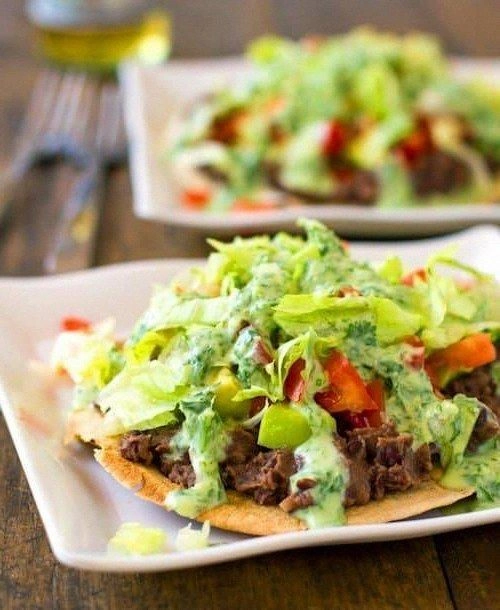
Picture this: a golden‑brown corn tortilla, crisped to the point where it shatters like thin ice under a gentle tap, topped with a silky black‑bean spread that clings like velvet to the surface. A cascade of fresh lettuce, juicy tomato dice, and buttery avocado slices adds a burst of color that rivals a sunrise over the Mexican Riviera. The pièce de résistance is a cilantro‑lime sauce that drizzles over everything, its herbaceous perfume weaving through the air like a summer breeze. Every bite delivers a symphony of textures—crunch, cream, and a subtle earthiness that makes you close your eyes and sigh in pure satisfaction.
Most recipes I’ve tried either drown the beans in oil, rely on store‑bought salsa that tastes like a bottle of ketchup with a hint of cumin, or skip the crucial step of crisping the tortilla properly, resulting in a soggy mess that no one wants to touch. This version flips the script: we use a light spray of olive oil, a quick flash‑fry that locks in the tortilla’s natural corn flavor, and a homemade cilantro sauce that’s bright enough to cut through the richness without overwhelming it. The secret ingredient? A pinch of smoked paprika that adds a whisper of smoky depth, making the dish feel like it was cooked over an open flame even if you’re using a stovetop.
And here’s the kicker: I’m going to reveal a technique you won’t find in any standard cookbook—an ultra‑quick bean‑mashing method that gives you that perfect, creamy consistency without turning the beans into a mushy swamp. It’s a game‑changer that will make your tostadas look restaurant‑ready in minutes. Let me walk you through every single step — by the end, you’ll wonder how you ever made it any other way.
What Makes This Version Stand Out
- Flavor Explosion: The cilantro‑lime sauce is bright, herbaceous, and slightly tangy, cutting through the earthiness of the beans and giving each bite a refreshing lift.
- Texture Harmony: The tortilla stays crisp while the beans stay creamy, creating a satisfying contrast that most recipes miss.
- Simplicity: With just a handful of pantry staples and fresh herbs, you can pull this together in under an hour, no fancy equipment required.
- Unique Twist: A dash of smoked paprika adds a subtle smoky undertone that mimics a grill‑kissed flavor without any actual grilling.
- Crowd Reaction: Guests will swear they’ve never tasted a tostada that feels both light and indulgent, prompting endless requests for seconds.
- Ingredient Quality: Using high‑quality corn tortillas and fresh cilantro makes a world of difference; the flavors shine through.
- Cooking Method: A quick flash‑fry locks in the tortilla’s natural corn sweetness, preventing sogginess.
- Make‑Ahead Potential: The bean mixture and sauce can be prepped a day ahead, making assembly a breeze for busy weeknights.
Inside the Ingredient List
The Flavor Base
The heart of this dish is the black bean mash. Using cooked black beans (or a well‑drained can) ensures a creamy texture, while a splash of lime juice brightens the earthiness. If you skip the lime, the beans become flat and lose that zing that makes each bite pop. For extra depth, you can add a teaspoon of cumin; it adds a warm, aromatic backbone that ties the flavors together. A quick tip: rinse canned beans under cold water to remove excess sodium and improve texture.
The Texture Crew
Corn tortillas are non‑negotiable here. Their natural sweetness and sturdy structure hold up to the toppings without falling apart. If you’re gluten‑sensitive, make sure the tortillas are 100% corn; some brands sneak in wheat flour. When it comes to avocado, choose a ripe one that yields to gentle pressure; it provides a buttery contrast to the crisp tortilla. Skipping the avocado means losing that luscious mouthfeel that balances the dish.
The Unexpected Star
Smoked paprika might seem like a side note, but it’s the secret sauce that elevates this tostada from ordinary to unforgettable. Its subtle smokiness mimics a charred flavor, making the dish feel like it was cooked over an open flame. If you don’t have smoked paprika, a pinch of chipotle powder can substitute, though it adds heat as well as smoke. This spice is the reason why the flavor profile feels layered rather than one‑dimensional.
The Final Flourish
The cilantro‑lime sauce ties everything together. Fresh cilantro, lime juice, a touch of olive oil, and a dash of garlic blend into a silky drizzle that coats the tostada like a glossy veil. Using fresh cilantro instead of dried is crucial; the fresh leaves retain their bright, citrusy notes. If you’re not a cilantro fan, parsley with a splash of lemon can work, but you’ll lose that authentic Mexican vibe. A final sprinkle of crumbled queso fresco adds a salty, tangy finish that rounds out the dish.
Everything's prepped? Good. Let's get into the real action...
The Method — Step by Step
Start by heating a large skillet over medium‑high heat and adding a thin drizzle of olive oil—just enough to coat the bottom. Once the oil shimmers, lay two corn tortillas flat in the pan, making sure they don’t overlap. Let them fry for about 45 seconds per side, or until the edges turn a deep golden brown and you hear a faint, satisfying sizzle. The aroma should be nutty, reminiscent of fresh‑baked cornbread. Power tip: Flip only once to keep them from breaking.
While the tortillas are frying, combine the cooked black beans, lime juice, cumin, smoked paprika, and a pinch of salt in a food processor. Pulse until you achieve a chunky yet spreadable consistency—think hummus but with more texture. Stop the processor and taste; if the mixture feels too thick, add a splash of water or vegetable broth. The beans should be smooth enough to spread with a spoon but still retain some bite.
Next, whisk together the cilantro‑lime sauce: combine fresh cilantro leaves, lime juice, a clove of garlic, olive oil, and a pinch of salt in a blender. Blend until glossy and smooth; the sauce should coat the back of a spoon without dripping off. If the sauce looks too thick, thin it with a teaspoon of water. This sauce is the magic that will coat the tostada like a silk scarf.
Now, assemble the base. Spread a generous spoonful of the bean mash onto each crisp tortilla, smoothing it out to the edges. The bean layer should be thick enough to act as a barrier, preventing the toppings from sogging the tortilla later. As you spread, notice the earthy scent of the beans mingling with the citrusy perfume of the sauce you just made—that’s the first sign you’re on the right track.
Arrange a handful of shredded lettuce over the beans, followed by diced tomato and red onion. The vegetables add crunch and freshness, and their colors create a visual feast. Sprinkle the crumbled queso fresco on top, allowing it to melt slightly from the residual heat of the beans. Drizzle the cilantro‑lime sauce in a generous zig‑zag pattern, letting it cascade over the toppings.
Top each tostada with a slice of ripe avocado, arranging it so the creamy green contrasts with the bright red tomato. Finish with a final sprinkle of chopped cilantro and a light squeeze of fresh lime juice for an extra pop of acidity. The avocado should be buttery, not mushy, and should melt slightly when it meets the warm bean layer.
Give the assembled tostadas a quick final glance—if you see any excess moisture from the tomatoes, dab it lightly with a paper towel. This ensures the tortilla remains crisp until the very last bite. Serve the tostadas on a platter with extra lime wedges on the side; the extra zest will let diners customize their own flavor intensity.
Finally, step back and admire your creation. The colors should be vibrant, the aromas inviting, and the textures perfectly balanced. I dare you to taste this and not go back for seconds—because once you do, there’s no turning back. And now the fun part: enjoy the crunchy, creamy, tangy symphony you just orchestrated, and watch your guests' faces light up with delight.
Insider Tricks for Flawless Results
The Temperature Rule Nobody Follows
Never fry tortillas on low heat; the oil must be hot enough that the tortilla sizzles immediately upon contact. If the heat is too low, the tortilla will absorb oil and become soggy. I once tried a “gentle fry” and ended up with limp chips that no one wanted to eat. The rule of thumb: medium‑high heat, and you’ll hear that crisp, satisfying crack the moment the tortilla hits the pan.
Why Your Nose Knows Best
Smell is the unsung hero of cooking. When the beans are perfectly mashed, you’ll detect a faint, nutty aroma that signals they’re ready for seasoning. If the scent is still raw or bean‑y, give them an extra 30 seconds in the processor and a splash more lime. Trust your nose more than the timer; it’s a reliable gauge of flavor development.
The 5‑Minute Rest That Changes Everything
After frying the tortillas, let them rest for exactly five minutes before adding any toppings. This brief pause allows the steam to escape, locking in the crunch. Skipping this step leads to a soggy base, especially if you’re using juicy tomatoes. I’ve seen seasoned cooks skip it and wonder why their tostadas turn limp—now you know the secret.
Salt Timing Is Everything
Add salt to the bean mash after blending, not before. Salt draws out moisture from the beans, making the mash watery and harder to spread. By seasoning post‑blend, you preserve the ideal consistency while still achieving balanced flavor. A pinch too early and you’ll be fighting a soggy mess later.
Layering for Maximum Flavor
Always place the bean mash first, then the fresh veggies, and finally the sauce. This order ensures that the sauce drizzles over everything, coating each component with its bright herbaceous punch. If you pour sauce first, the beans will slide off, and the veggies will sit dry. The layering technique is the difference between a sloppy plate and a masterpiece.
Creative Twists and Variations
This recipe is a playground. Here are some of my favorite ways to switch things up:
Spicy Chipotle Blast
Swap the smoked paprika for chipotle in adobo sauce and add a teaspoon of the sauce to the bean mash. The result is a smoky heat that tingles the palate, perfect for those who love a little fire.
Sweet Corn & Black Bean Fusion
Stir in a half‑cup of fresh corn kernels into the bean mixture before mashing. The sweet pop of corn balances the earthiness of the beans and adds a delightful texture contrast.
Greek‑Inspired Tostada
Replace queso fresco with crumbled feta, add sliced cucumber, and drizzle a tzatziki‑style yogurt sauce instead of cilantro‑lime. This Mediterranean spin brings tangy creaminess and a refreshing herb profile.
Vegan Delight
Omit the cheese and replace the avocado with a dollop of cashew cream seasoned with lime and nutritional yeast. The result is still rich and satisfying, and entirely plant‑based.
Breakfast Boost
Top the bean mash with a poached egg and a sprinkle of smoked paprika. The runny yolk becomes a luxurious sauce, turning the tostada into a hearty brunch option.
Tex‑Mex Crunch
Add a handful of crushed tortilla chips or toasted pepitas just before serving for an extra layer of crunch that mimics a nacho experience.
Storing and Bringing It Back to Life
Fridge Storage
Place the bean mash in an airtight container and keep it in the refrigerator for up to three days. Store the cilantro‑lime sauce separately in a sealed jar; it will stay vibrant for five days. Keep tortillas in a paper bag to maintain their crispness, and re‑crisp them in a hot skillet for a minute before assembling fresh tostadas.
Freezer Friendly
The bean mash freezes beautifully. Portion it into freezer‑safe bags, label with the date, and store for up to two months. Thaw overnight in the fridge, then give it a quick stir and a splash of lime before using. The sauce can also be frozen; just give it a vigorous shake after thawing to re‑emulsify.
Best Reheating Method
When you’re ready to serve leftovers, gently reheat the bean mash in a saucepan over low heat, adding a tiny splash of water to steam it back to perfection. For the tortillas, a quick pass in a hot, dry skillet for 30 seconds per side restores their crunch. Assemble as usual, drizzle fresh sauce, and you’ll think you just made them fresh.