
Pan-Seared Salmon with Dill Cream Sauce
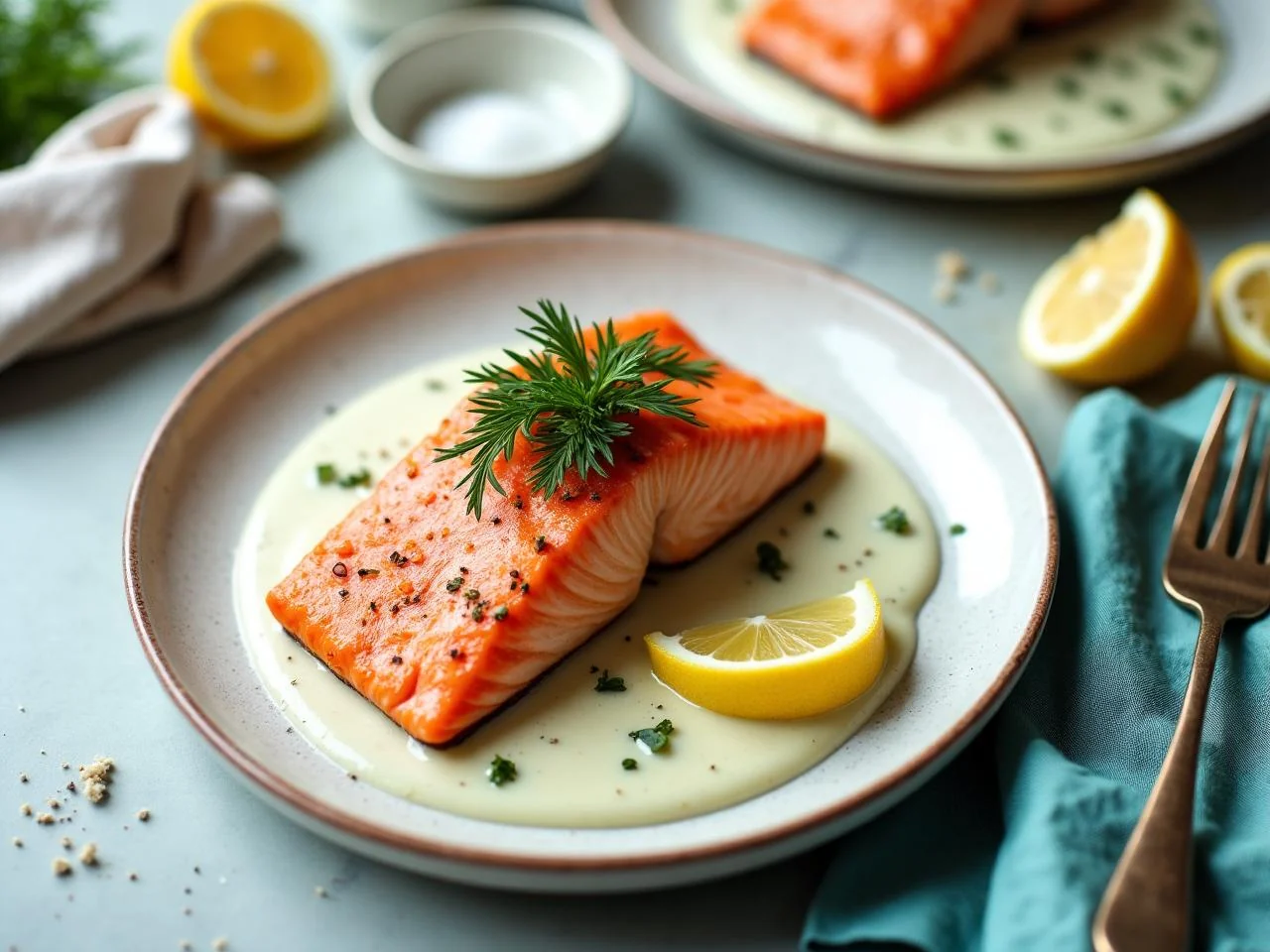
I still remember the first time I had pan-seared salmon with a creamy dill sauce. It was at a small seafood restaurant near my hometown, and it was love at first bite. The combination of the crispy, golden-brown salmon and the tangy, refreshing sauce was absolute perfection. Since then, I've been on a mission to recreate that dish at home, and after countless attempts, I'm excited to share my foolproof recipe with you.
As a coastal home cook and former fishmonger's daughter, I've always been passionate about seafood. But I know that cooking fish can be intimidating, especially for those who are new to it. That's why I want to assure you that this recipe is easy, approachable, and requires minimal ingredients. Whether you're a seasoned cook or a beginner, you'll be able to whip up this dish in no time.
So, what makes this recipe special? For starters, the dill cream sauce is incredibly versatile and can be used as a dipping sauce or a topping for other dishes. The salmon, on the other hand, is cooked to perfection using a simple yet effective technique that ensures a crispy exterior and a tender interior. And the best part? The entire dish can be prepared in under 30 minutes, making it perfect for a quick weeknight dinner.
This recipe is perfect for anyone who loves seafood, but is short on time. It's also a great option for those who are looking for a healthy and delicious meal that's packed with protein and omega-3 fatty acids. Whether you're cooking for one or for a crowd, this recipe is sure to impress.
In this recipe, I'll walk you through the steps to prepare the perfect pan-seared salmon with a creamy dill sauce. From the importance of fresh ingredients to the technique of cooking the salmon, I'll cover it all. So, let's get started and dive into the world of seafood cooking!
Why You’ll Love This Recipe
- This recipe is easy to make and requires minimal ingredients.
- The dill cream sauce is versatile and can be used as a dipping sauce or a topping for other dishes.
- The salmon is cooked to perfection using a simple yet effective technique.
- The entire dish can be prepared in under 30 minutes, making it perfect for a quick weeknight dinner.
- This recipe is packed with protein and omega-3 fatty acids, making it a healthy and delicious option.
- The dish is perfect for anyone who loves seafood, but is short on time.
Why This Recipe Works
The key to this recipe's success lies in the combination of the right ingredients and the right cooking technique. The dill cream sauce, for example, is made with a mixture of sour cream, chopped fresh dill, lemon juice, and garlic. The acidity in the lemon juice helps to balance out the richness of the sour cream, while the fresh dill adds a bright and refreshing flavor.
When it comes to cooking the salmon, the technique is just as important as the ingredients. By patting the salmon dry with paper towels before cooking, we can ensure that the skin gets crispy and golden brown. And by cooking the salmon in a hot skillet with a small amount of oil, we can achieve a nice sear on the outside while keeping the inside tender and moist.
The heat control is also crucial in this recipe. By cooking the salmon over medium-high heat, we can get a nice sear on the outside before finishing it off in the oven. This ensures that the salmon is cooked through and flaky, without being overcooked or dry.
Finally, the resting time is essential in this recipe. By letting the salmon rest for a few minutes before serving, we can allow the juices to redistribute and the fish to retain its moisture. This results in a tender and flavorful piece of salmon that's sure to impress.
Ingredients You’ll Need
When it comes to cooking seafood, the quality of the ingredients is crucial. For this recipe, you'll need a few simple ingredients, including fresh salmon fillets, sour cream, fresh dill, lemon juice, and garlic. Make sure to choose the freshest ingredients possible, and don't be afraid to experiment with different seasonings and spices to add more flavor to the dish.
One of the most important ingredients in this recipe is the salmon. Look for fresh, wild-caught salmon fillets that are rich in flavor and moisture. You can also use farmed salmon, but be sure to check the labels for any added preservatives or chemicals.
- 4 salmon fillets (6 oz each)Look for fresh, wild-caught salmon fillets that are rich in flavor and moisture. You can also use farmed salmon, but be sure to check the labels for any added preservatives or chemicals.
- 1 cup sour creamUse full-fat sour cream for the best flavor and texture. You can also substitute with Greek yogurt or crème fraîche if you prefer.
- 1/4 cup chopped fresh dillFresh dill is essential for this recipe, as it adds a bright and refreshing flavor to the sauce. You can also use dried dill weed as a substitute, but be sure to use less than half the amount called for in the recipe.
- 2 tbsp lemon juiceUse freshly squeezed lemon juice for the best flavor. You can also substitute with lime juice or orange juice if you prefer.
- 2 cloves garlic, mincedUse high-quality garlic that is fresh and flavorful. You can also substitute with shallots or scallions if you prefer.
- 1 tsp Dijon mustardUse high-quality Dijon mustard that is made with white wine and spices. You can also substitute with whole-grain mustard or honey mustard if you prefer.
- 1/2 tsp saltUse kosher salt or sea salt for the best flavor. You can also substitute with table salt if you prefer.
- 1/4 tsp black pepperUse freshly ground black pepper for the best flavor. You can also substitute with white pepper or green pepper if you prefer.
- 2 tbsp olive oilUse high-quality olive oil that is rich in flavor and aroma. You can also substitute with avocado oil or grapeseed oil if you prefer.
- 2 tbsp unsalted butterUse high-quality unsalted butter that is rich in flavor and texture. You can also substitute with salted butter or margarine if you prefer.
- Salt and pepper to tasteUse kosher salt and freshly ground black pepper to taste. You can also substitute with other seasonings and spices to add more flavor to the dish.
Equipment You’ll Need
How to Make Pan-Seared Salmon with Dill Cream Sauce
- 1Preheat the oven to 400°F (200°C).
- 2Rinse the salmon fillets under cold water and pat them dry with paper towels.
- 3Season the salmon fillets with salt, pepper, and any other desired seasonings.
- 4Heat the olive oil in a large heavy skillet or cast-iron pan over medium-high heat.
- 5Add the salmon fillets to the pan, skin side up (if they have skin).
- 6Cook the salmon for 3-4 minutes on the first side, or until the skin is crispy and golden brown.
- 7Flip the salmon over and cook for an additional 3-4 minutes, or until it is cooked through and flaky.
- 8Remove the salmon from the pan and transfer it to a plate or tray.
- 9Reduce the heat to medium and add the butter to the pan.
- 10Once the butter has melted, add the garlic and cook for 1 minute, or until fragrant.
- 11Add the sour cream, dill, lemon juice, mustard, salt, and pepper to the pan.
- 12Whisk the sauce until it is smooth and creamy.
- 13Return the salmon to the pan and spoon some of the sauce over the top of each fillet.
- 14Transfer the pan to the preheated oven and bake for 5-7 minutes, or until the salmon is cooked through and the sauce is bubbly and golden brown.
Expert Tips
- Make sure to pat the salmon dry with paper towels before cooking to ensure that the skin gets crispy and golden brown.
- Don't overcrowd the pan, as this can prevent the salmon from cooking evenly.
- Use a thermometer to ensure that the salmon is cooked to a safe internal temperature of 145°F (63°C).
- Don't overcook the salmon, as this can make it dry and tough.
- Let the salmon rest for a few minutes before serving to allow the juices to redistribute and the fish to retain its moisture.
- Experiment with different seasonings and spices to add more flavor to the dish.
- Use high-quality ingredients, including fresh salmon and real sour cream, for the best flavor and texture.
- Don't be afraid to get creative with the sauce, adding other ingredients such as capers or chopped fresh herbs to give it more flavor.
Common Mistakes to Avoid
- Overcooking the salmon, which can make it dry and tough.
- Not patting the salmon dry with paper towels before cooking, which can prevent the skin from getting crispy and golden brown.
- Not using high-quality ingredients, which can affect the flavor and texture of the dish.
- Not letting the salmon rest for a few minutes before serving, which can cause the juices to run out and the fish to become dry.
- Not whisking the sauce until it is smooth and creamy, which can affect the texture and appearance of the dish.
- Not using a thermometer to ensure that the salmon is cooked to a safe internal temperature.
Variations and Substitutions
- Add some chopped fresh herbs, such as parsley or chives, to the sauce for extra flavor.
- Use different types of fish, such as cod or tilapia, in place of the salmon.
- Add some capers or chopped fresh dill to the sauce for extra flavor.
- Use Greek yogurt or crème fraîche in place of the sour cream for a tangier sauce.
- Add some grated cheese, such as Parmesan or cheddar, to the sauce for extra flavor.
- Use different types of citrus, such as lime or orange, in place of the lemon juice.
- Add some chopped fresh vegetables, such as bell peppers or zucchini, to the sauce for extra flavor and nutrition.
What to Serve With Pan-Seared Salmon with Dill Cream Sauce
This dish is perfect for serving with a variety of sides, including roasted vegetables, quinoa or brown rice, and steamed broccoli or asparagus. You can also serve it with a simple green salad or a side of sautéed spinach.
For a more substantial meal, try serving the salmon with a side of roasted potatoes or sweet potatoes, or with a hearty bowl of soup or stew. The creamy dill sauce is also delicious served over pasta or rice, making it a great option for a quick and easy weeknight dinner.
Make-Ahead, Storage, Freezing and Reheating
This dish can be made ahead and stored in the refrigerator for up to 24 hours. Simply prepare the sauce and store it in an airtight container in the refrigerator, then cook the salmon and assemble the dish just before serving.
To freeze the dish, prepare the sauce and store it in an airtight container or freezer bag. Label and date the container, then store it in the freezer for up to 3 months. When you're ready to serve, simply thaw the sauce overnight in the refrigerator, then cook the salmon and assemble the dish as directed.
To reheat the dish, simply place the cooked salmon and sauce in a saucepan over low heat, stirring occasionally, until the sauce is warm and the salmon is heated through. You can also reheat the dish in the microwave, stirring occasionally, until the sauce is warm and the salmon is heated through.
When reheating the dish, be careful not to overheat the sauce, as this can cause it to break and become separated. Instead, heat the sauce gently, stirring occasionally, until it is warm and creamy. You can also add a little bit of water or cream to the sauce if it becomes too thick, stirring to combine.
Frequently Asked Questions
What type of salmon should I use for this recipe?
You can use any type of salmon for this recipe, including wild-caught or farmed. Look for fresh, sustainable salmon that is rich in flavor and moisture.
Can I substitute other types of fish for the salmon?
Yes, you can substitute other types of fish for the salmon, such as cod or tilapia. However, keep in mind that the cooking time and temperature may vary depending on the type of fish you use.
How do I know when the salmon is cooked through?
You can check the salmon for doneness by inserting a fork or knife into the thickest part of the fillet. If it flakes easily and is opaque and firm to the touch, it is cooked through. You can also use a thermometer to check the internal temperature of the salmon, which should be at least 145°F (63°C).
Can I make the sauce ahead of time?
Yes, you can make the sauce ahead of time and store it in the refrigerator for up to 24 hours. Simply prepare the sauce as directed, then store it in an airtight container in the refrigerator until you're ready to serve.
What can I serve with this dish?
This dish is perfect for serving with a variety of sides, including roasted vegetables, quinoa or brown rice, and steamed broccoli or asparagus. You can also serve it with a simple green salad or a side of sautéed spinach.
Can I freeze the dish?
Yes, you can freeze the dish for up to 3 months. Simply prepare the sauce and store it in an airtight container or freezer bag, then label and date the container. When you're ready to serve, simply thaw the sauce overnight in the refrigerator, then cook the salmon and assemble the dish as directed.
How do I reheat the dish?
To reheat the dish, simply place the cooked salmon and sauce in a saucepan over low heat, stirring occasionally, until the sauce is warm and the salmon is heated through. You can also reheat the dish in the microwave, stirring occasionally, until the sauce is warm and the salmon is heated through.
What if the sauce breaks or becomes separated when I reheat it?
If the sauce breaks or becomes separated when you reheat it, don't worry! Simply whisk the sauce gently over low heat, adding a little bit of water or cream if necessary, until it is smooth and creamy again.
Ingredients
- 4 salmon fillets (6 oz each)
- 1 cup sour cream
- 1/4 cup chopped fresh dill
- 2 tbsp lemon juice
- 2 cloves garlic, minced
- 1 tsp Dijon mustard
- 1/2 tsp salt
- 1/4 tsp black pepper
- 2 tbsp olive oil
- 2 tbsp unsalted butter
- Salt and pepper to taste
Instructions
- Preheat the oven to 400°F (200°C).
- Rinse the salmon fillets under cold water and pat them dry with paper towels.
- Season the salmon fillets with salt, pepper, and any other desired seasonings.
- Heat the olive oil in a large heavy skillet or cast-iron pan over medium-high heat.
- Add the salmon fillets to the pan, skin side up (if they have skin).
- Cook the salmon for 3-4 minutes on the first side, or until the skin is crispy and golden brown.
- Flip the salmon over and cook for an additional 3-4 minutes, or until it is cooked through and flaky.
- Remove the salmon from the pan and transfer it to a plate or tray.
- Reduce the heat to medium and add the butter to the pan.
- Once the butter has melted, add the garlic and cook for 1 minute, or until fragrant.
- Add the sour cream, dill, lemon juice, mustard, salt, and pepper to the pan.
- Whisk the sauce until it is smooth and creamy.
- Return the salmon to the pan and spoon some of the sauce over the top of each fillet.
- Transfer the pan to the preheated oven and bake for 5-7 minutes, or until the salmon is cooked through and the sauce is bubbly and golden brown.