It started with a kitchen disaster that would have made even the most seasoned chef sigh. I was attempting to impress a group of friends with a quick lamb stir‑fry, but the meat came out dry and the sauce was a bland, watery mess. That night, I stared at the empty fridge, craving something that could turn that flop into a feast. I promised myself I would find a recipe that would make the lamb sing and the noodles dance.
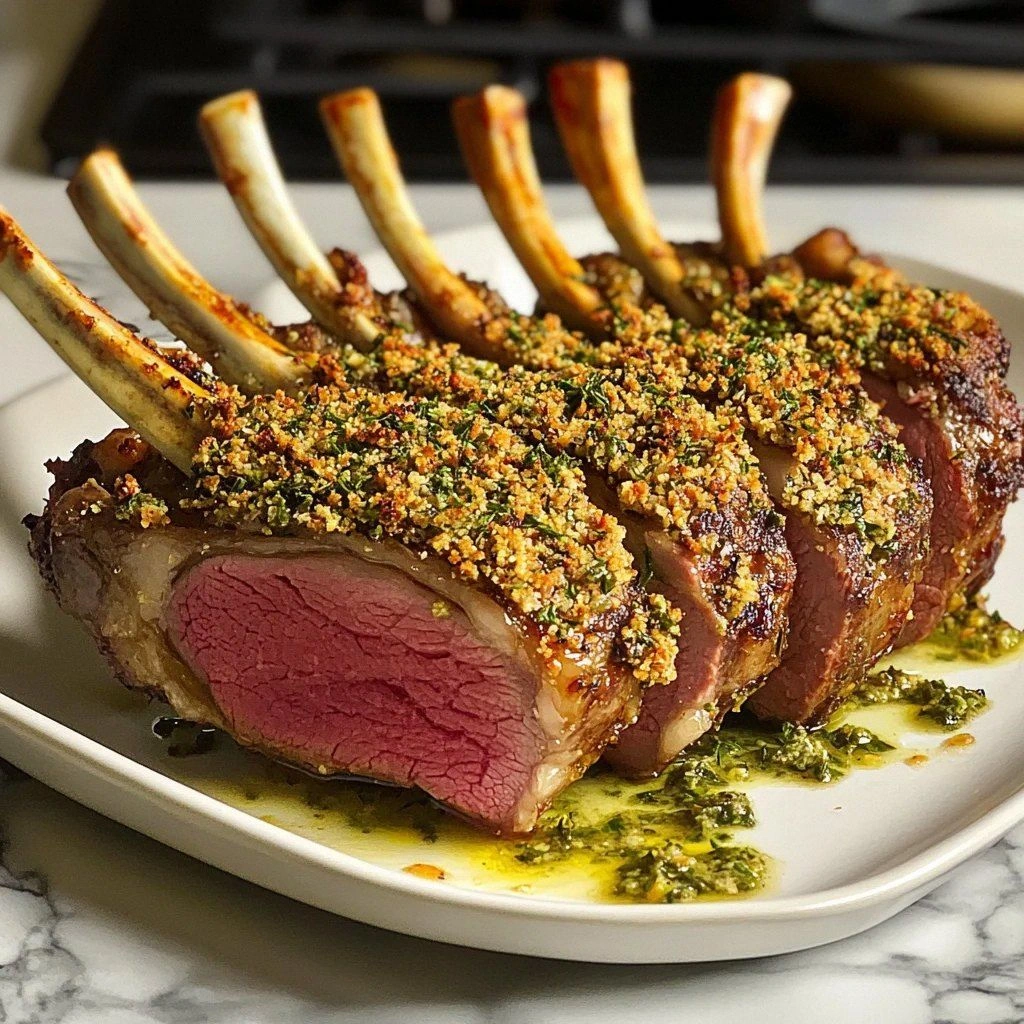
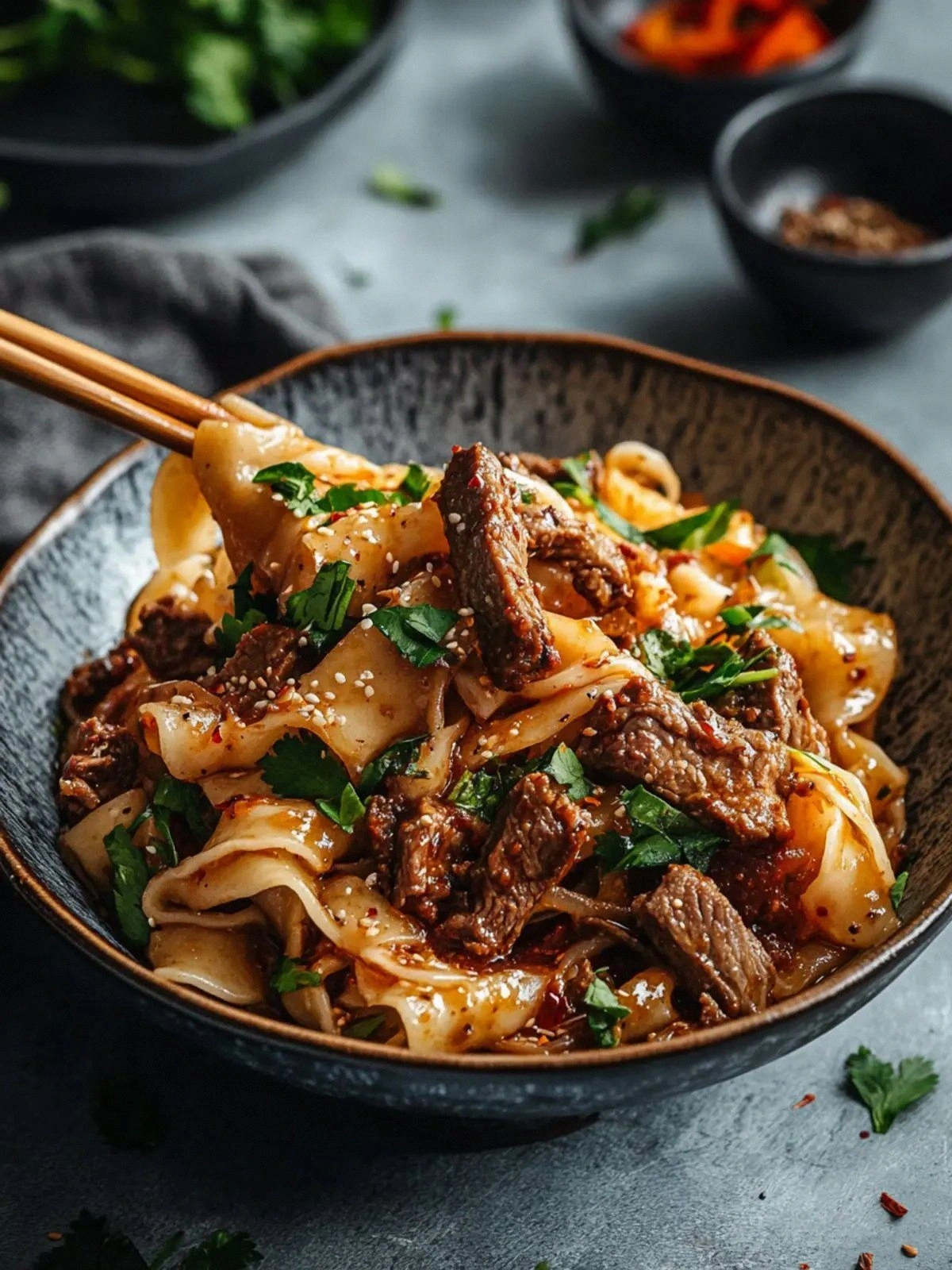
Fast forward to this morning, and I have a bowl that smells like a spice market in the middle of the city. The cumin pops in a sizzling pan, releasing a nutty aroma that lingers in the air. The lamb, marinated in Shaoxing wine and cornstarch, glistens with a glossy sheen as it sears, while the chili oil drips, creating a faint, smoky trail. When the sauce finally coats the noodles, it feels like velvet against the tongue, and a splash of cilantro lifts the dish into a bright, fresh finish.
What sets this version apart is that I didn't just follow a recipe—I rewrote the story. I swapped out the usual soy sauce for a blend of light and dark varieties, added Sichuan peppercorns for a numbing heat that balances the chili oil, and used homemade hand‑pulled noodles for that chewy, al dente texture that no store‑bought noodle can match. The result is a dish that feels like a gourmet restaurant experience, yet it comes together in under an hour.
I dare you to taste this and not go back for seconds. If you think you've seen this flavor profile before, think again. Most recipes get this completely wrong, missing the subtle interplay between the cumin's earthiness and the peppercorn's citrusy bite. Picture yourself pulling this out of the pan, the whole kitchen smelling incredible, and the first bite sending a wave of warmth through your palate. Let me walk you through every single step—by the end, you'll wonder how you ever made it any other way.
What Makes This Version Stand Out
- Flavor Depth: The combination of cumin, coriander, and Sichuan peppercorns creates a layered taste that evolves with each bite, from earthy to citrusy to smoky.
- Texture Contrast: Hand‑pulled noodles provide a chewy backbone, while the lamb offers tender, juicy bites, and the sauce adds a silky coating that ties everything together.
- Heat Management: Chili oil gives a steady heat that doesn't overwhelm, and the Sichuan peppercorns add a unique numbing sensation that keeps the dish balanced.
- Authentic Aroma: Toasting the cumin and peppercorns releases a fragrant aroma that awakens the senses before the first taste.
- Make‑Ahead Friendly: The sauce can be prepared a day ahead and refrigerated, allowing the flavors to deepen while the noodles are cooked fresh when ready.
- Visual Appeal: The bright green cilantro and the glossy sauce create an eye‑catching presentation that feels like a restaurant dish.
Alright, let's break down exactly what goes into this masterpiece...
Inside the Ingredient List
The Flavor Base
The heart of this dish lies in the aromatic blend of cumin, coriander, and Sichuan peppercorns. Toasting them in a dry pan for 30 seconds releases their oils and transforms raw spices into a fragrant foundation. Skipping this step will leave the dish flat and lacking depth, while over‑toasting can burn them into bitterness. For a subtle twist, try adding a pinch of smoked paprika for a smoky undertone.
The Texture Crew
Homemade hand‑pulled noodles are the star of the show, offering a chewy bite that holds sauce like a sponge. If you’re short on time, you can substitute with fresh egg noodles, but they won’t provide the same al dente feel. The cornstarch coating on the lamb creates a light, crisp exterior when seared, sealing in juices. If you prefer a leaner version, reduce the cornstarch to one tablespoon and use a higher heat to achieve a similar crust.
The Unexpected Star
Chinkiang vinegar might seem like a minor player, but it adds a subtle, slightly sweet acidity that balances the richness of lamb and the heat of chili oil. If you can’t find this specific vinegar, a good quality rice vinegar works as a close substitute, though the flavor will be a bit less complex. The fresh cilantro adds a bright, herbal finish that lifts the entire dish.
The Final Flourish
The combination of light and dark soy sauces creates a deep umami base that ties all the elements together. Light soy provides saltiness without overpowering, while dark soy adds color and a hint of sweetness. If you’re watching sodium, reduce the light soy to 1 tablespoon and increase the amount of garlic and ginger to compensate. The garlic, ginger, and red onion form a classic aromatics trio that grounds the dish in savory warmth.
Everything's prepped? Good. Let's get into the real action...
The Method — Step by Step
- Begin by heating a wok or large skillet over medium‑high heat. Add the peanut oil and let it shimmer, then sprinkle in the cumin, coriander, and Sichuan peppercorns. Watch the spices crackle for about 20 seconds; this is when they release their full aroma. The scent should be nutty and slightly citrusy, signaling that the base is ready. Once the oils are fragrant, set the pan aside.
- Trim the lamb into bite‑size pieces and pat them dry with paper towels. In a bowl, combine the Shaoxing wine, cornstarch, and a pinch of salt. Toss the lamb until each piece is evenly coated. The cornstarch will create a fine crust when seared, trapping juices inside. Let the lamb sit for 5 minutes to absorb the flavors.
- Return the pan to high heat and add the lamb in a single layer, ensuring the pieces don’t touch. Sear the meat for 2–3 minutes on each side until a golden brown crust forms. The searing should produce a subtle hiss and a caramelized aroma. Flip the lamb carefully; the seared surface will be glossy and slightly caramelized.
- While the lamb is searing, prepare the sauce. Mince the garlic and ginger finely, then slice the red onion into thin wedges. In a small bowl, whisk together the light soy sauce, dark soy sauce, chili oil, Chinkiang vinegar, and a splash of water. The mixture should be slightly viscous, ready to coat the noodles.
- Once the lamb is browned, remove it from the pan and set aside. In the same pan, add the garlic, ginger, and red onion; stir-fry for 1 minute until they become translucent. Add the sauce mixture and bring to a simmer. The sauce should thicken slightly, coating the back of a spoon. This is the moment of truth—if the sauce is too thin, let it reduce for another minute.
- Return the lamb to the pan and stir to coat it evenly with the sauce. Add the hot green chili, then pour the hand‑pulled noodles into the mixture. Toss everything together until the noodles are fully coated and heated through, about 2 minutes. The noodles should be glossy and slightly chewy, with the sauce clinging like velvet.
- Finally, garnish with freshly chopped cilantro and a squeeze of lime if desired. Serve immediately, letting the steam carry the aroma to the table. The dish should be fragrant, spicy, and comforting all at once. This is the culmination of a carefully orchestrated flavor journey.
That's it — you did it. But hold on, I've got a few more tricks that'll take this to another level...
Insider Tricks for Flawless Results
The Temperature Rule Nobody Follows
Many cooks assume a single heat level is sufficient, but the lamb needs a high initial sear and a lower simmer for the sauce. Start with high heat to lock in juices, then reduce to medium for the sauce to develop without burning. This subtle shift ensures the meat remains juicy and the sauce stays glossy.
Why Your Nose Knows Best
Trust your nose to gauge when the spices are toasted. If the aroma shifts from nutty to bitter, you’ve over‑toasted them. A quick sniff after 20 seconds is enough to decide whether to add the lamb or move to the next step.
The 5‑Minute Rest That Changes Everything
After searing the lamb, let it rest for 5 minutes before adding it back to the pan. This allows the juices to redistribute, keeping the meat moist. Skipping this rest can lead to a dry, over‑cooked texture.
Balance the Heat
If the dish feels too hot, add a splash of sesame oil or a drizzle of honey to mellow the heat without compromising flavor. Conversely, if you crave more heat, increase the chili oil or add a fresh chili slice.
Use Fresh Herbs for Freshness
Chop cilantro just before serving to preserve its bright flavor. Dried herbs lose their potency quickly, so fresh is the way to go for the final garnish.
Creative Twists and Variations
This recipe is a playground. Here are some of my favorite ways to switch things up:
Spicy Peanut Noodle Variant
Swap the chili oil for a generous splash of peanut butter and a dash of soy sauce. The result is a creamy, nutty sauce that pairs beautifully with the lamb. This version is perfect for those who love a richer, less fiery bite.
Vegetarian Cumin Noodles
Replace lamb with diced tofu or seared tempeh, and use vegetable stock instead of soy sauce. The tofu absorbs the cumin and peppercorn flavors, creating a plant‑based delight that still feels indulgent.
Herb‑Infused Lamb
Add a handful of fresh mint or basil to the sauce for an aromatic twist. The herb will cut through the richness of the lamb and add a refreshing counterpoint.
Low‑Carb Noodle Swap
Use Shirataki noodles or zucchini noodles in place of the hand‑pulled noodles. The dish remains flavorful, and the carb count drops dramatically, making it suitable for keto or low‑carb diets.
Smoky Chipotle Variation
Incorporate a tablespoon of chipotle adobo sauce into the sauce mixture. The smoky heat complements the cumin and brings a new dimension to the flavor profile.
Storing and Bringing It Back to Life
Fridge Storage
Store the cooked dish in an airtight container for up to 2 days in the refrigerator. The noodles will retain their chewiness, and the sauce will thicken slightly, intensifying the flavor.
Freezer Friendly
For longer storage, freeze the dish in individual portions. Wrap tightly in plastic wrap and place in a freezer bag. It stays good for up to 3 months. Thaw overnight in the fridge before reheating.
Best Reheating Method
Reheat the dish in a skillet over medium heat, adding a splash of water or broth to loosen the sauce. Stir frequently until heated through. The tiny splash of water steams the noodles, restoring their original texture.