Seafood Chowder
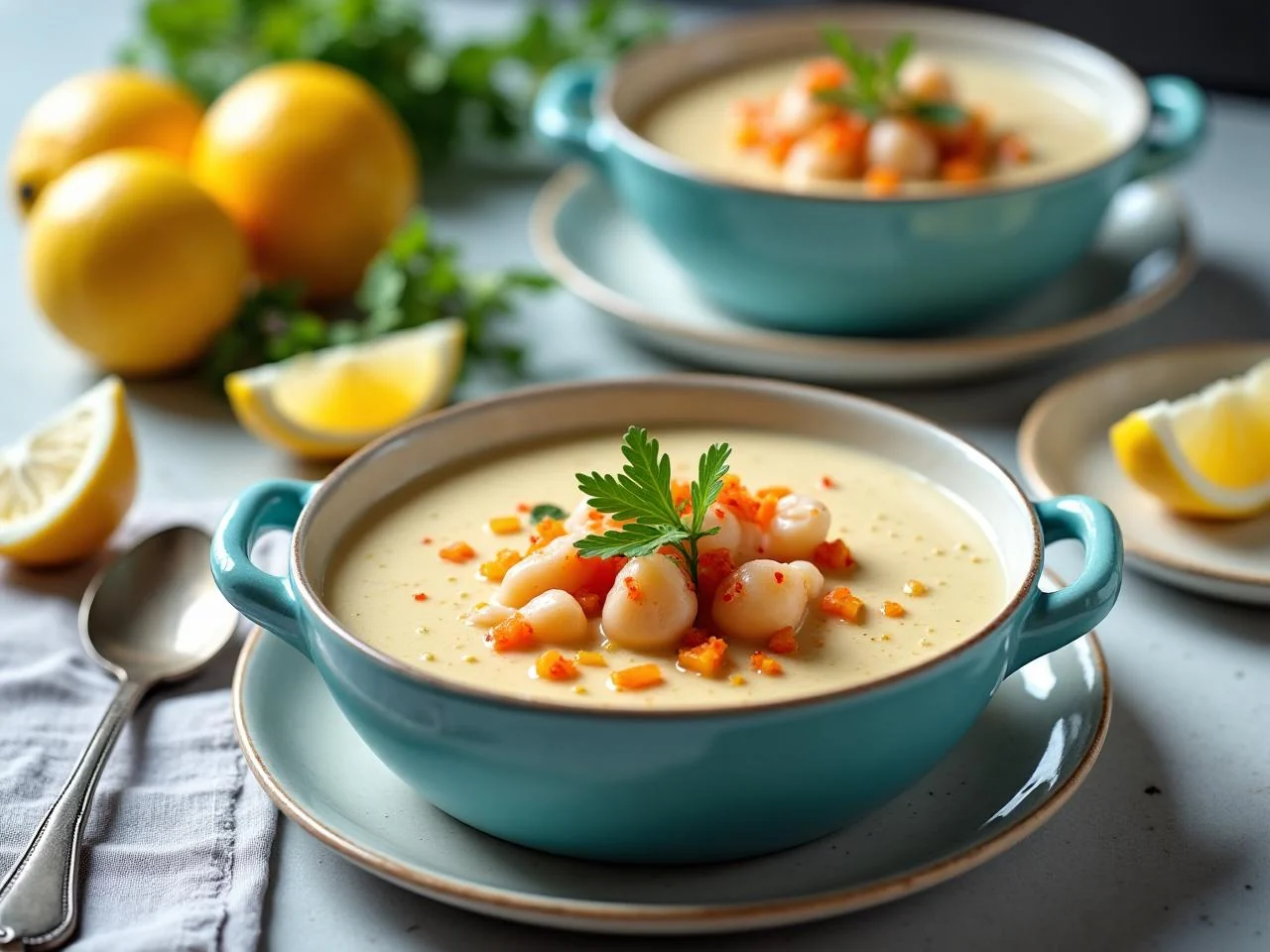
As a coastal home cook and former fishmonger's daughter, I've always been passionate about demystifying seafood for nervous cooks. One of my favorite ways to enjoy fresh seafood is in a hearty, comforting bowl of seafood chowder. This recipe is a staple in my household, and I'm excited to share it with you.
I remember growing up, my family would often spend Sundays at the beach, and my father would bring home a fresh catch of the day. My mother would then turn it into a delicious seafood chowder that would warm our bellies and souls. To this day, the smell of seafood chowder cooking on the stovetop brings back fond memories of those family Sundays.
This recipe is special because it's easy to make and requires minimal ingredients. It's also a great way to use up any leftover seafood you may have on hand. I love serving it on a chilly evening with a side of crusty bread or oyster crackers. It's the perfect comfort food to warm you up from the inside out.
If you're new to cooking seafood, don't be intimidated. This recipe is foolproof, and I'll guide you through each step. You'll be enjoying a delicious bowl of seafood chowder in no time. So, let's get started!
In this recipe, I'll show you how to make a rich and creamy seafood chowder using a variety of seafood such as shrimp, scallops, and cod. We'll also add some diced potatoes, onions, and celery to give it some extra flavor and texture. The best part is that it's ready in under an hour, making it a great option for a weeknight dinner.
Why You’ll Love This Recipe
- This recipe is easy to make and requires minimal ingredients.
- It's a great way to use up any leftover seafood you may have on hand.
- The seafood chowder is ready in under an hour, making it a great option for a weeknight dinner.
- It's a comforting and satisfying meal that's perfect for a chilly evening.
- You can customize the recipe to your taste by using different types of seafood and spices.
- It's a foolproof recipe that's perfect for beginners or experienced cooks alike.
Why This Recipe Works
The key to a great seafood chowder is to use a combination of seafood that's both flavorful and tender. In this recipe, we're using shrimp, scallops, and cod, which provide a nice balance of textures and flavors. We're also adding some aromatics like onions, celery, and garlic to give it a depth of flavor.
Another important aspect of this recipe is the use of a roux to thicken the chowder. By cooking the flour in butter, we're creating a rich and creamy sauce that coats the seafood and vegetables perfectly. This is a classic technique that's often used in French cuisine, and it's a game-changer for this recipe.
Finally, the type of seafood you use is crucial. I recommend using fresh, sustainable seafood whenever possible. Not only does it taste better, but it's also better for the environment. Look for seafood that's been certified by organizations like the Marine Stewardship Council, and try to buy from local fishermen whenever you can.
By following these tips and using the right ingredients, you'll be able to create a delicious and satisfying seafood chowder that's sure to become a staple in your household. So, let's get started and see how it's done!
Ingredients You’ll Need
When it comes to making seafood chowder, the ingredients are just as important as the technique. You'll want to use a combination of seafood that's both flavorful and tender, as well as some aromatics like onions, celery, and garlic to give it a depth of flavor. Don't forget to pick up some potatoes, onions, and celery to add some extra texture and flavor to the dish.
One of the most important ingredients in this recipe is the seafood. I recommend using a combination of shrimp, scallops, and cod, but you can customize it to your taste by using different types of seafood. Just be sure to adjust the cooking time accordingly, as some types of seafood may take longer to cook than others.
- 2 tablespoons butterUnsalted butter is best for this recipe, as it allows you to control the amount of salt that goes into the dish. You can also use a combination of butter and oil if you prefer.
- 1 medium onion, dicedUse a sweet onion like Vidalia or Maui for the best flavor. You can also caramelize the onions before adding them to the chowder for extra depth of flavor.
- 2 cloves garlic, mincedFresh garlic is essential for this recipe, as it adds a pungency and depth of flavor that's hard to replicate with powdered garlic. You can also roast the garlic before mincing it for a nuttier flavor.
- 2 medium celery stalks, dicedUse the inner celery stalks for the best flavor, as they're less bitter than the outer stalks. You can also use the leaves and trimmings to make a flavorful broth or stock.
- 1 pound cod, cut into 1-inch piecesCod is a firm fish that holds up well to cooking, making it perfect for seafood chowder. You can also use other types of fish like haddock or halibut if you prefer.
- 1 pound large shrimp, peeled and deveinedFresh shrimp are essential for this recipe, as they have a sweeter flavor and firmer texture than frozen shrimp. You can also use frozen shrimp if you can't find fresh ones, but be sure to thaw them first.
- 1/2 pound scallops, rinsed and patted dryScallops add a nice texture and flavor to the chowder, but be sure to rinse them well before using them to remove any grit or sand. You can also use bay scallops or sea scallops, depending on your preference.
- 2 medium potatoes, peeled and dicedUse high-starch potatoes like Russet or Idaho for the best flavor and texture. You can also use sweet potatoes or Yukon golds for a different flavor and texture.
- 1 cup fish brothHomemade fish broth is best for this recipe, as it has a richer flavor and clearer texture than store-bought broth. You can also use chicken or vegetable broth as a substitute if you don't have fish broth on hand.
- 1/2 cup heavy creamHeavy cream adds a rich and creamy texture to the chowder, but you can also use half-and-half or whole milk as a substitute if you prefer a lighter texture.
- 2 teaspoons dried thymeFresh thyme is also delicious in this recipe, but dried thyme is more convenient and has a longer shelf life. You can also use other herbs like parsley or dill to give the chowder a different flavor.
- Salt and pepper, to tasteUse a light hand when seasoning the chowder, as you can always add more salt and pepper to taste. You can also use other seasonings like paprika or cayenne pepper to give the chowder a different flavor.
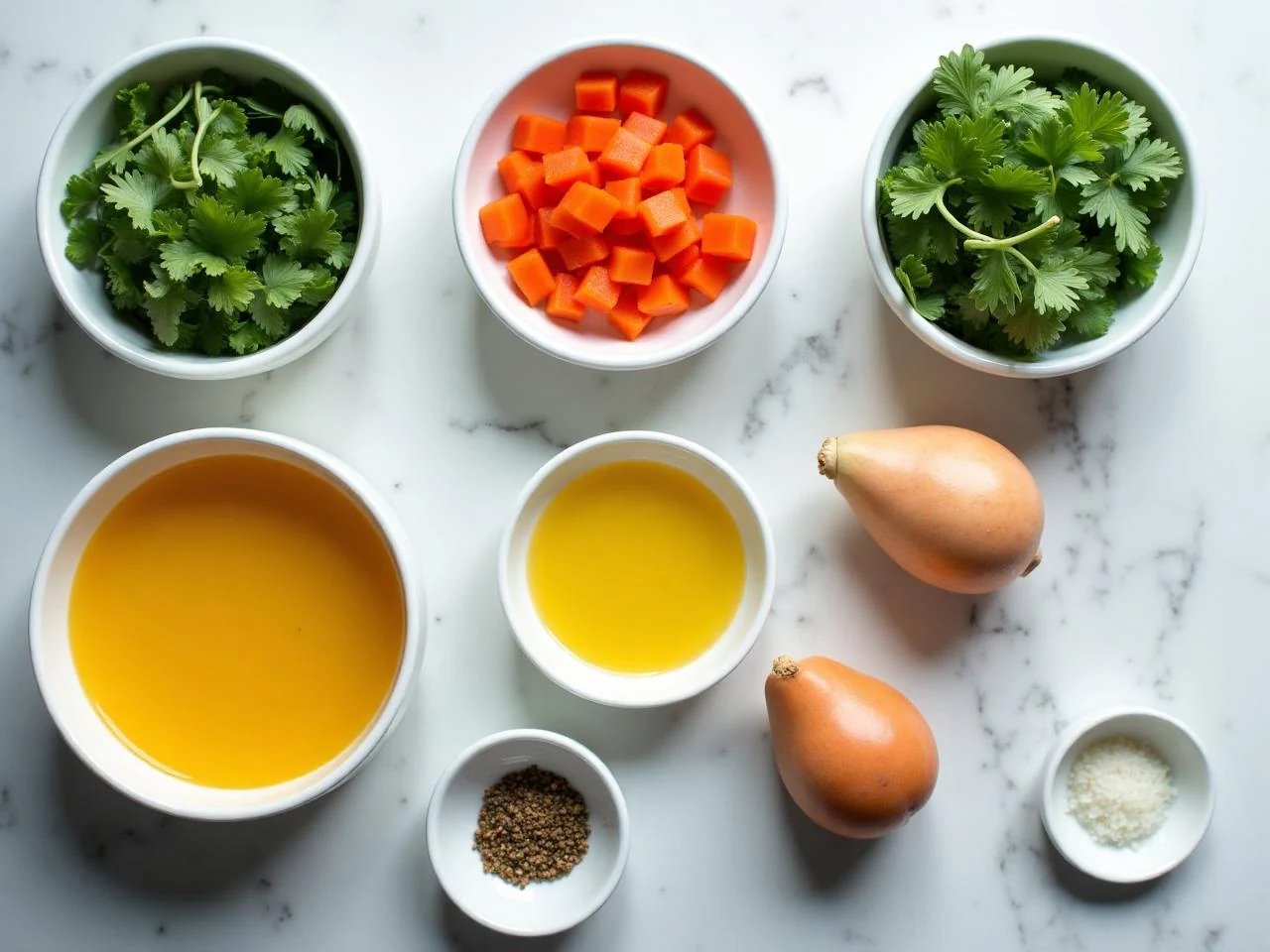
Equipment You’ll Need
How to Make Seafood Chowder
- 1Melt the butter in the large pot or Dutch oven over medium heat, then add the diced onion and cook until it's translucent and starting to caramelize, about 5-7 minutes.
- 2Add the minced garlic and cook for another minute, stirring constantly to prevent burning.
- 3Add the diced celery and cook for 2-3 minutes, stirring occasionally, until it's tender but still crisp.
- 4Add the cod, shrimp, and scallops to the pot, and cook for 2-3 minutes, stirring occasionally, until the seafood is opaque and starting to flake.
- 5Add the diced potatoes, fish broth, and heavy cream to the pot, and stir to combine.
- 6Bring the mixture to a boil, then reduce the heat to low and simmer for 10-15 minutes, or until the potatoes are tender and the chowder has thickened slightly.
- 7Use an immersion blender to puree the chowder until it's smooth, or allow it to cool and puree it in a blender.
- 8Stir in the dried thyme and season the chowder with salt and pepper to taste.
- 9Serve the chowder hot, garnished with chopped fresh herbs or a sprinkle of paprika if desired.
- 10You can also make this recipe ahead of time and refrigerate or freeze it for later use. Simply reheat it over low heat, stirring occasionally, until it's hot and steaming.
- 11If you want a creamier chowder, you can add more heavy cream or use a mixture of heavy cream and grated cheese. You can also add some diced bell peppers or carrots to the pot for extra flavor and nutrition.
Expert Tips
- Use a variety of seafood to give the chowder a range of textures and flavors.
- Don't overcook the seafood, as it can become tough and rubbery.
- Use a light hand when seasoning the chowder, as you can always add more salt and pepper to taste.
- If you're using frozen seafood, be sure to thaw it first and pat it dry with paper towels to remove excess moisture.
- You can also add some diced ham or bacon to the pot for a smoky flavor.
- For a spicy kick, you can add some diced jalapenos or red pepper flakes to the pot.
- To make the chowder more substantial, you can add some diced bread or crackers to the pot and cook until they're toasted and crispy.
Common Mistakes to Avoid
- Overcooking the seafood, which can make it tough and rubbery.
- Not using enough liquid, which can result in a thick and sticky chowder.
- Not seasoning the chowder enough, which can make it bland and unappetizing.
- Using low-quality seafood, which can affect the flavor and texture of the chowder.
- Not stirring the chowder occasionally, which can cause it to stick to the bottom of the pot and burn.
- Not serving the chowder hot, which can make it unappetizing and congealed.
Variations and Substitutions
- Using different types of seafood, such as lobster or crab, to give the chowder a unique flavor and texture.
- Adding some diced vegetables, such as carrots or bell peppers, to the pot for extra flavor and nutrition.
- Using a combination of heavy cream and grated cheese to give the chowder a creamy and rich texture.
- Adding some spices, such as paprika or cayenne pepper, to give the chowder a smoky or spicy flavor.
- Using a mixture of fish broth and chicken broth to give the chowder a lighter and more delicate flavor.
- Serving the chowder with some crusty bread or oyster crackers for a satisfying and filling meal.
- Making the chowder ahead of time and refrigerating or freezing it for later use.
What to Serve With Seafood Chowder
This seafood chowder is perfect for serving on a chilly evening, garnished with some chopped fresh herbs or a sprinkle of paprika. You can also serve it with some crusty bread or oyster crackers for a satisfying and filling meal.
Some other options for serving the chowder include serving it with a side salad or some grilled cheese sandwiches. You can also use it as a topping for some baked potatoes or as a filling for some seafood sandwiches.
Make-Ahead, Storage, Freezing and Reheating
This seafood chowder can be made ahead of time and refrigerated or frozen for later use. To refrigerate, simply cool the chowder to room temperature, then cover it and refrigerate for up to 3 days.
To freeze, cool the chowder to room temperature, then transfer it to an airtight container or freezer bag and freeze for up to 3 months. When you're ready to reheat it, simply thaw it overnight in the refrigerator, then reheat it over low heat, stirring occasionally, until it's hot and steaming.
When reheating the chowder, be sure to stir it occasionally to prevent it from sticking to the bottom of the pot and burning. You can also add some extra liquid, such as fish broth or heavy cream, to thin out the chowder and give it a creamy texture.
It's also a good idea to label the container or bag with the date and contents, so you can easily keep track of how long it's been stored. This will help you ensure that the chowder is safe to eat and that it's still fresh and flavorful.
Frequently Asked Questions
What type of seafood should I use for this recipe?
You can use a variety of seafood, such as shrimp, scallops, cod, and lobster, to give the chowder a range of textures and flavors. Just be sure to adjust the cooking time accordingly, as some types of seafood may take longer to cook than others.
Can I use frozen seafood for this recipe?
Yes, you can use frozen seafood for this recipe. Just be sure to thaw it first and pat it dry with paper towels to remove excess moisture. Frozen seafood can be just as flavorful and nutritious as fresh seafood, as long as it's been properly stored and handled.
How do I prevent the chowder from becoming too thick?
To prevent the chowder from becoming too thick, you can add some extra liquid, such as fish broth or heavy cream, to thin it out. You can also use a mixture of heavy cream and grated cheese to give the chowder a creamy and rich texture.
Can I make this recipe ahead of time?
Yes, you can make this recipe ahead of time and refrigerate or freeze it for later use. Simply cool the chowder to room temperature, then cover it and refrigerate for up to 3 days or freeze for up to 3 months.
How do I reheat the chowder?
To reheat the chowder, simply thaw it overnight in the refrigerator, then reheat it over low heat, stirring occasionally, until it's hot and steaming. You can also add some extra liquid, such as fish broth or heavy cream, to thin out the chowder and give it a creamy texture.
Can I serve the chowder with other dishes?
Yes, you can serve the chowder with other dishes, such as a side salad or some grilled cheese sandwiches. You can also use it as a topping for some baked potatoes or as a filling for some seafood sandwiches.
How do I store the chowder?
To store the chowder, simply cool it to room temperature, then cover it and refrigerate for up to 3 days or freeze for up to 3 months. Be sure to label the container or bag with the date and contents, so you can easily keep track of how long it's been stored.
Can I customize the recipe to my taste?
Yes, you can customize the recipe to your taste by using different types of seafood, spices, and seasonings. Just be sure to adjust the cooking time and seasoning accordingly, as some types of seafood or spices may require different cooking times or seasoning levels.
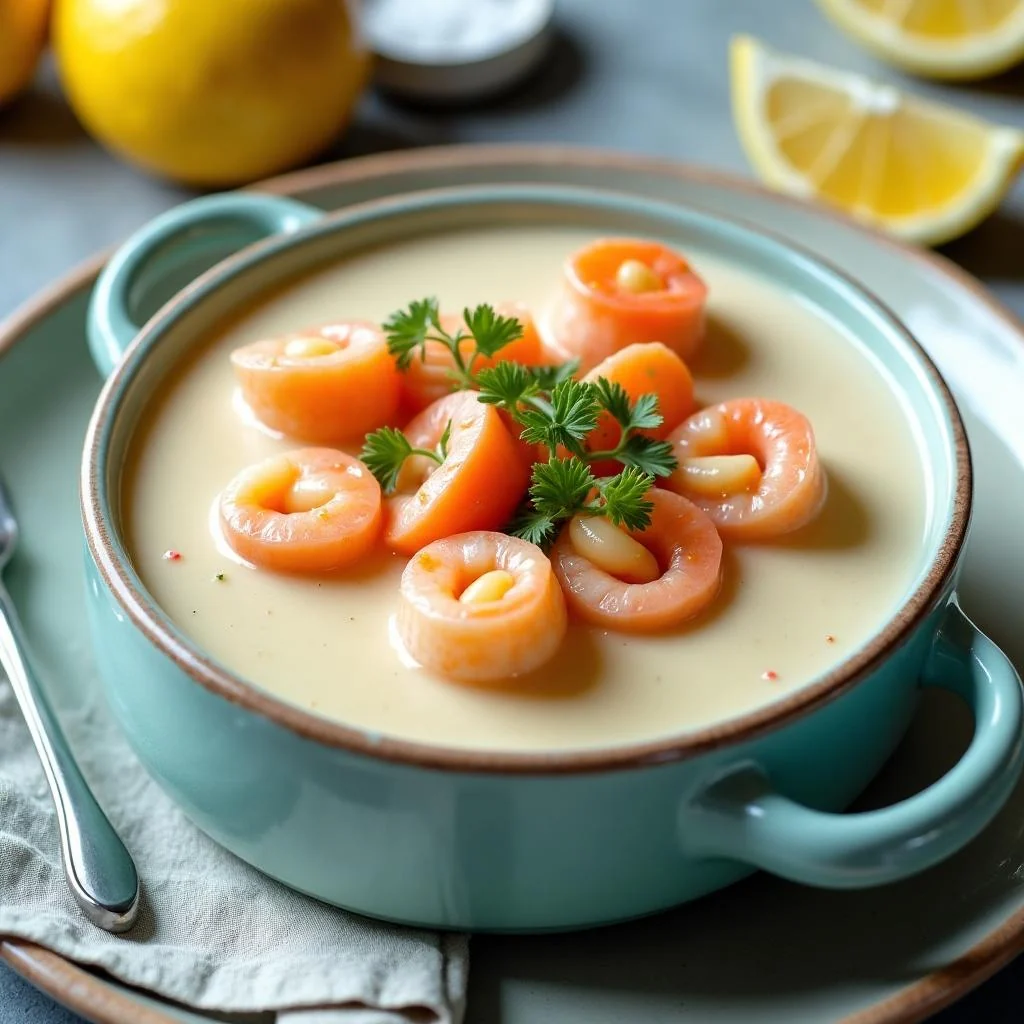
Ingredients
- 2 tablespoons butter
- 1 medium onion, diced
- 2 cloves garlic, minced
- 2 medium celery stalks, diced
- 1 pound cod, cut into 1-inch pieces
- 1 pound large shrimp, peeled and deveined
- 1/2 pound scallops, rinsed and patted dry
- 2 medium potatoes, peeled and diced
- 1 cup fish broth
- 1/2 cup heavy cream
- 2 teaspoons dried thyme
- Salt and pepper, to taste
Instructions
- Melt the butter in the large pot or Dutch oven over medium heat, then add the diced onion and cook until it's translucent and starting to caramelize, about 5-7 minutes.
- Add the minced garlic and cook for another minute, stirring constantly to prevent burning.
- Add the diced celery and cook for 2-3 minutes, stirring occasionally, until it's tender but still crisp.
- Add the cod, shrimp, and scallops to the pot, and cook for 2-3 minutes, stirring occasionally, until the seafood is opaque and starting to flake.
- Add the diced potatoes, fish broth, and heavy cream to the pot, and stir to combine.
- Bring the mixture to a boil, then reduce the heat to low and simmer for 10-15 minutes, or until the potatoes are tender and the chowder has thickened slightly.
- Use an immersion blender to puree the chowder until it's smooth, or allow it to cool and puree it in a blender.
- Stir in the dried thyme and season the chowder with salt and pepper to taste.
- Serve the chowder hot, garnished with chopped fresh herbs or a sprinkle of paprika if desired.
- You can also make this recipe ahead of time and refrigerate or freeze it for later use. Simply reheat it over low heat, stirring occasionally, until it's hot and steaming.
- If you want a creamier chowder, you can add more heavy cream or use a mixture of heavy cream and grated cheese. You can also add some diced bell peppers or carrots to the pot for extra flavor and nutrition.