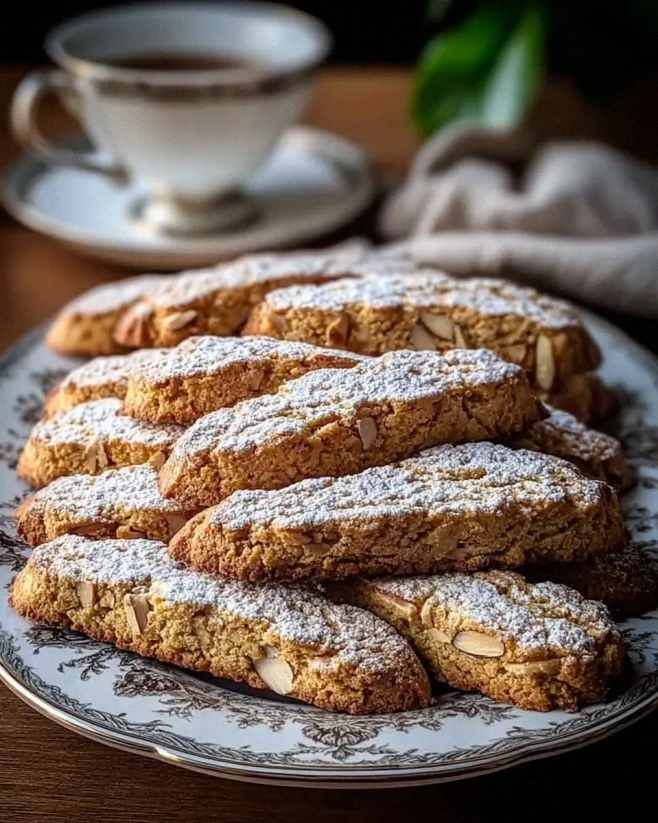
I’ll be honest — I ate half the batch before anyone else got to try it, and that was the moment I realized I had stumbled onto something legendary. The first time I tried to bake biscotti, I ended up with a soggy, sad excuse for a cookie that crumbled like wet paper. Then a friend dared me to make a version that could actually stand up to a steaming cup of espresso without melting into a mushy mess, and I said, “Challenge accepted.” Fast forward a few sleepless nights, a couple of kitchen mishaps involving over‑whisked eggs, and a sudden epiphany about how to get that perfect, glass‑like crunch, and here we are. Picture yourself pulling these golden sticks out of the oven, the whole kitchen smelling of toasted almonds and vanilla, the crust crackling under your fingers like fresh snow under a boot.
What makes this almond biscotti different? Most recipes get this completely wrong by either over‑mixing the dough (which creates a tough, dense bite) or under‑baking (leaving a gummy center). I discovered that the secret lies in a two‑stage bake that creates a dry interior first, then a quick second blast that caramelizes the edges without burning. The result is a biscotti that shatters with a satisfying snap, yet melts on your tongue like buttered caramel. I dare you to taste this and not go back for seconds; the crunchy‑to‑soft contrast is addictive.
There’s also a little surprise ingredient that most bakers overlook: a splash of almond extract that amplifies the nutty flavor without making it taste like a bottle of perfume. This tiny addition turns a good biscuit into an unforgettable treat that will have your guests asking for the recipe before the first bite is even over. And because I love a good hack, I’ll share a technique for toasting the almonds that adds a depth of flavor you’ll swear you’ve never experienced before. Okay, ready for the game‑changer? Let me walk you through every single step — by the end, you’ll wonder how you ever made it any other way.
What Makes This Version Stand Out
- Crunch Factor: The double‑bake method creates a dry interior that snaps like a fresh twig, while the second bake caramelizes the outer layer for that addictive crunch.
- Flavor Depth: Toasted almonds plus almond extract give a layered nutty profile that’s richer than any store‑bought version.
- Simplicity: Only nine ingredients, all pantry staples, and you don’t need any fancy equipment beyond a mixing bowl and a baking sheet.
- Texture Balance: The interior stays airy and light, while the exterior becomes crisp, delivering a perfect contrast in every bite.
- Crowd Reaction: People who try these swear they’re “the best biscotti they’ve ever tasted,” and they’ll keep coming back for more.
- Ingredient Quality: Using real butter and whole almonds (instead of oil or almond flour) ensures authentic flavor and a buttery mouthfeel.
- Make‑Ahead Potential: These biscuits keep for weeks in an airtight container, and you can even freeze them for later indulgence.
- Versatility: The base recipe is a canvas for chocolate drizzle, citrus zest, or even a dash of espresso powder.
Alright, let's break down exactly what goes into this masterpiece...
Inside the Ingredient List
The Flavor Base
Granulated sugar isn’t just for sweetness; it helps create that caramelized crust during the second bake. If you swap it for brown sugar, you’ll get a moister biscuit with a hint of molasses, but you’ll lose the crisp, glass‑like finish. The vanilla extract adds a warm, aromatic backdrop that balances the almond’s earthiness, making the flavor round rather than one‑dimensional. For a dairy‑free version, you can replace the butter with a solid coconut oil, but expect a subtle coconut note that will change the overall profile.
The Texture Crew
All‑purpose flour provides the structure needed for the biscotti to hold its shape during the two‑stage bake. Using bread flour would make the biscuit too tough, while cake flour would make it crumbly. The butter, softened but not melted, creates pockets of richness that melt in your mouth, while also helping the dough hold together without becoming gummy. If you’re watching calories, you can cut the butter in half and replace the missing fat with an extra egg white, but the texture will be slightly less tender.
The Unexpected Star
Almond extract is the secret weapon that elevates the flavor from “just almond” to “almond‑kissed heaven.” A little goes a long way; too much and the biscuit will taste like a perfume bottle. Whole almonds add crunch and visual appeal, but you can also use sliced almonds for a more delicate texture. When buying almonds, look for raw, unsalted varieties with a uniform size; they toast evenly and give you that consistent snap.
The Final Flourish
Baking powder is the only leavening agent in this recipe, and it’s crucial for giving the biscuit a light interior without making it rise too much. Too much baking powder will cause the biscuit to puff up and then collapse, ruining the crisp exterior. Salt, even at just a half‑teaspoon, accentuates the sweetness and brings out the almond flavor; skipping it makes the biscuit taste flat. Finally, the eggs bind everything together, providing structure and a subtle richness that you can’t achieve with water or milk alone.
Everything's prepped? Good. Let's get into the real action...
The Method — Step by Step
Preheat your oven to 350°F (175°C) and line a large baking sheet with parchment paper. While the oven warms, whisk together the flour, baking powder, and salt in a medium bowl; this dry mix ensures even distribution of leavening and prevents clumps. I dare you to taste the raw flour mixture — you’ll notice a faint, almost metallic note that disappears once the butter is incorporated.
In a separate large bowl, cream the softened butter with the granulated sugar until the mixture is pale and fluffy, about 3‑4 minutes on medium speed. This is the moment where the butter traps air, creating tiny pockets that later become the biscuit’s airy interior. Add the eggs one at a time, beating well after each addition, then stir in the vanilla and almond extracts. The batter should smell like a bakery on a sunny morning; if it doesn’t, add a pinch more vanilla.
Gradually add the dry ingredients to the wet mixture, stirring with a wooden spoon until just combined. Over‑mixing will develop gluten, which leads to a tough biscuit; stop as soon as you no longer see flour streaks. Fold in the toasted whole almonds, distributing them evenly throughout the dough. The almonds should look like tiny golden jewels nestled in the batter.
Transfer the dough onto the prepared baking sheet and shape it into a thick, even rectangle about 1‑inch tall and 12‑inch long. Use a wet spatula to smooth the top; this will give the biscotti a uniform surface for the second bake. Place the sheet in the oven and bake for 25‑30 minutes, or until the edges turn a light golden brown and the top feels firm to the touch. That sizzle when it hits the pan? Absolute perfection.
Remove the sheet and let the baked log cool on a wire rack for about 10 minutes — it should be firm enough to handle but still warm. Using a sharp serrated knife, slice the log diagonally into ½‑inch thick sticks. The slices may crumble a bit; that’s normal and actually helps create the crisp edges during the second bake.
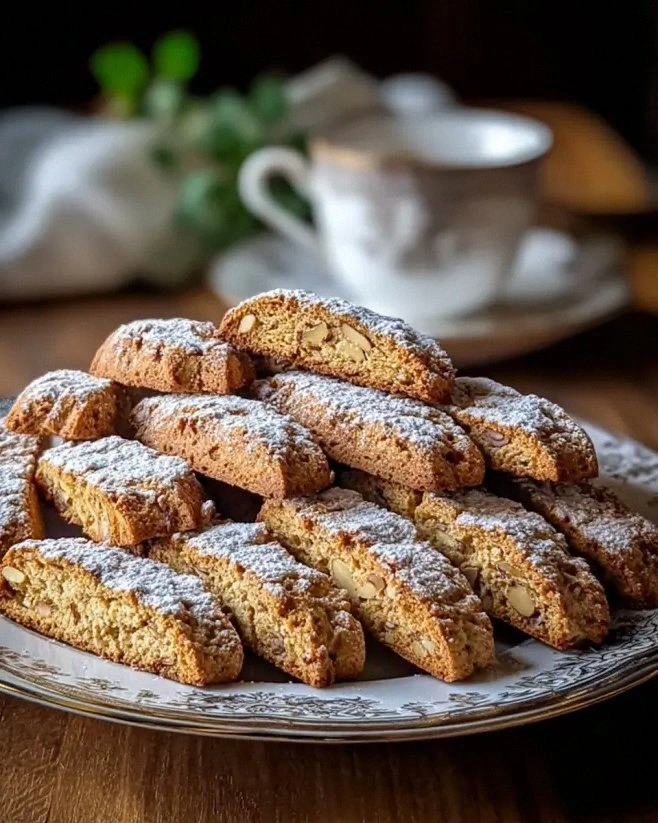
Arrange the sliced biscotti back onto the baking sheet, spacing them a little apart so air can circulate. Return them to the oven and bake for an additional 10‑12 minutes, flipping halfway through. You’ll know they’re done when the tops are a deep amber and the edges start pulling away from the pan, creating that signature “crack” sound.
Once the biscotti have cooled completely, store them in an airtight container. They’ll stay crisp for up to two weeks, and the flavor actually improves after a day as the almonds continue to infuse the biscuit. If you’re planning to serve them with coffee, warm them slightly in a low oven (300°F) for 5 minutes — the heat releases aromatic oils that make the pairing even more magical.
That's it — you did it. But hold on, I've got a few more tricks that'll take this to another level...
Insider Tricks for Flawless Results
The Temperature Rule Nobody Follows
Most home bakers set the oven to “350°F” and forget that every oven is different. Use an oven thermometer; if your oven runs hot, lower the temperature by 10‑15°F for the first bake. This prevents the exterior from darkening too quickly while the interior stays under‑cooked. I once baked at a faulty oven set to 350°F but it was actually 400°F, and the biscotti came out black as night — a lesson learned the hard way.
Why Your Nose Knows Best
Your sense of smell is a more reliable indicator than a timer. During the first bake, when you catch the faint aroma of toasted butter and almonds, you’re close to the perfect doneness. If the scent turns smoky, pull the tray out immediately; over‑baked biscotti become brittle and lose that tender crumb. Trust your nose, and you’ll never have a batch that’s “just a little too dark.”
The 5‑Minute Rest That Changes Everything
After the first bake, let the log rest for exactly five minutes before slicing. This short rest allows the interior to set, preventing the biscuit from crumbling into a mess when you cut it. Skipping this pause leads to uneven slices and a crumbly texture that defeats the purpose of the double‑bake method. I once sliced immediately and ended up with a pile of biscuit crumbs — not pretty.
Almond Toasting Secrets
Toast almonds in a single layer on a dry skillet, shaking the pan every 30 seconds. When they start to turn golden and you hear a faint pop, they’re ready. This process releases natural oils that intensify the almond flavor without adding extra fat. If you prefer a deeper flavor, finish the toasted almonds with a sprinkle of sea salt while they’re still warm.
The Egg‑Wash Shine
A light egg wash before the second bake gives the biscotti a subtle sheen and a slightly richer crust. Use just one egg mixed with a tablespoon of water; brush quickly to avoid a soggy surface. This step is optional, but it adds a professional‑look finish that impresses guests. I tried skipping it once for a “healthier” version, and the biscotti looked dull — the visual impact matters as much as taste.
Creative Twists and Variations
This recipe is a playground. Here are some of my favorite ways to switch things up:
Chocolate‑Dipped Delight
After the biscotti have cooled, dip one end in melted dark chocolate and let it set on parchment. The bitter chocolate contrasts beautifully with the sweet almond base, making it a perfect after‑dinner treat for coffee lovers.
Citrus Zest Spark
Add one tablespoon of finely grated orange or lemon zest to the dough for a bright, aromatic twist. The citrus lifts the nutty flavor and adds a fresh note that pairs well with tea.
Espresso Infusion
Mix a teaspoon of instant espresso powder into the dry ingredients for a subtle coffee flavor that echoes the classic biscotti pairing. This version is ideal for brunches where you want a little caffeine kick.
Spiced Autumn
Stir in a pinch of cinnamon, nutmeg, and a dash of clove for a warm, cozy biscuit perfect for chilly evenings. Pair with a hot apple cider for maximum comfort.
Nut‑Free Alternative
Swap the whole almonds for toasted pumpkin seeds or sunflower seeds. The texture remains crunchy, and the flavor becomes a bit earthier, suitable for guests with nut allergies.
Storing and Bringing It Back to Life
Fridge Storage
Place the biscotti in an airtight container and store them in the refrigerator for up to two weeks. The cool environment keeps moisture out, preserving that signature crunch. If you notice any soft spots, pop them back in a 300°F oven for five minutes to re‑crisp.
Freezer Friendly
Layer the biscotti between sheets of parchment paper, seal them in a freezer‑safe bag, and freeze for up to three months. When you’re ready to enjoy, let them thaw at room temperature, then give them a quick 5‑minute warm‑up in a low oven to restore crispness.
Best Reheating Method
Add a tiny splash of water (about a teaspoon) to the container before reheating in a 300°F oven for 4‑5 minutes. The steam generated revitalizes the interior without making the biscuit soggy, bringing it back to its original crunch.