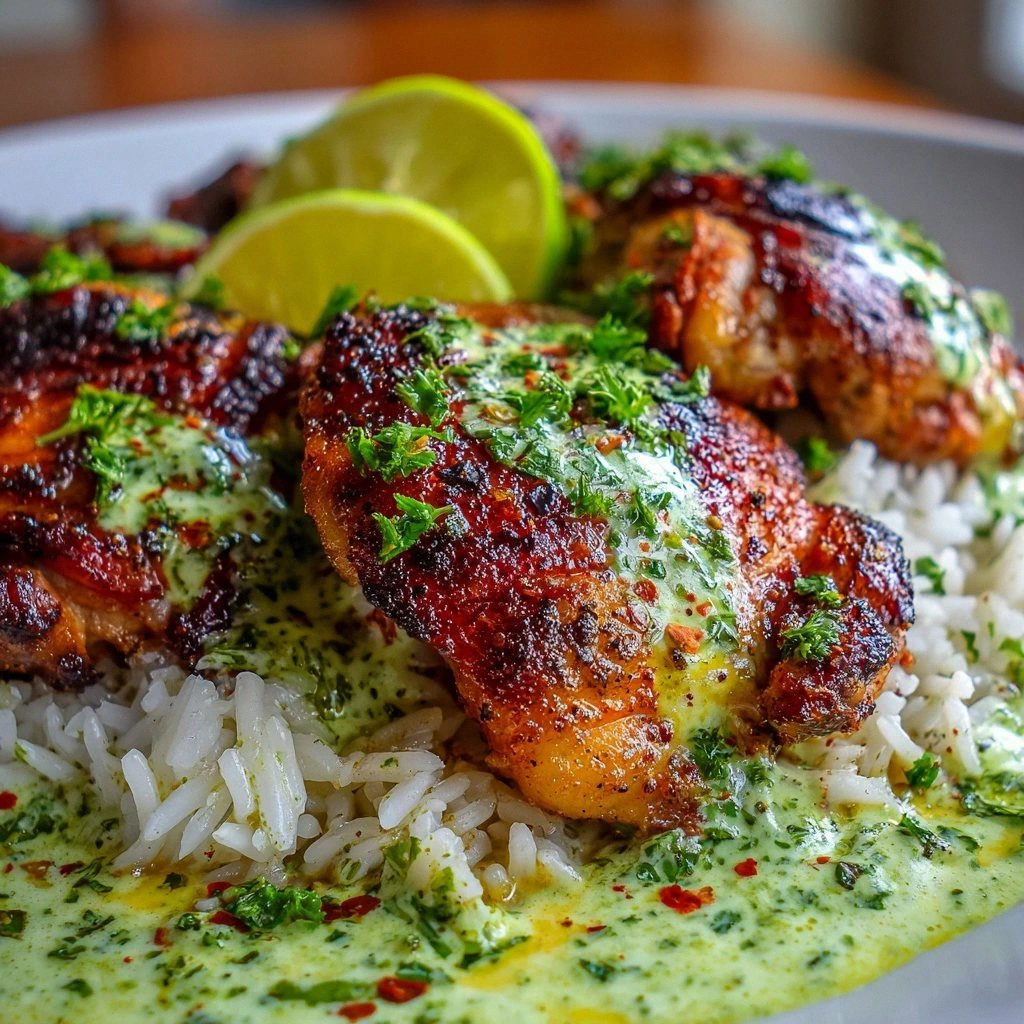
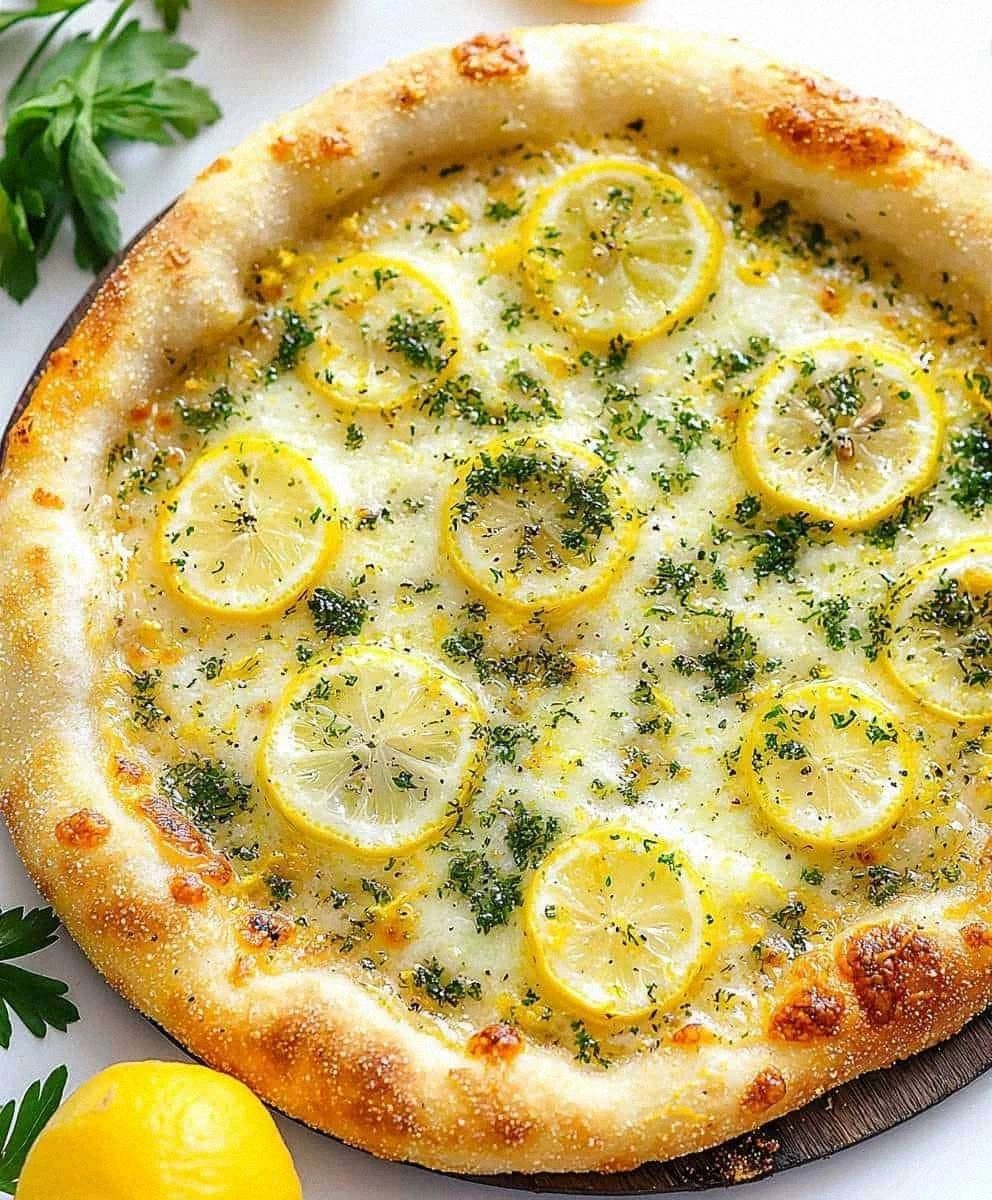
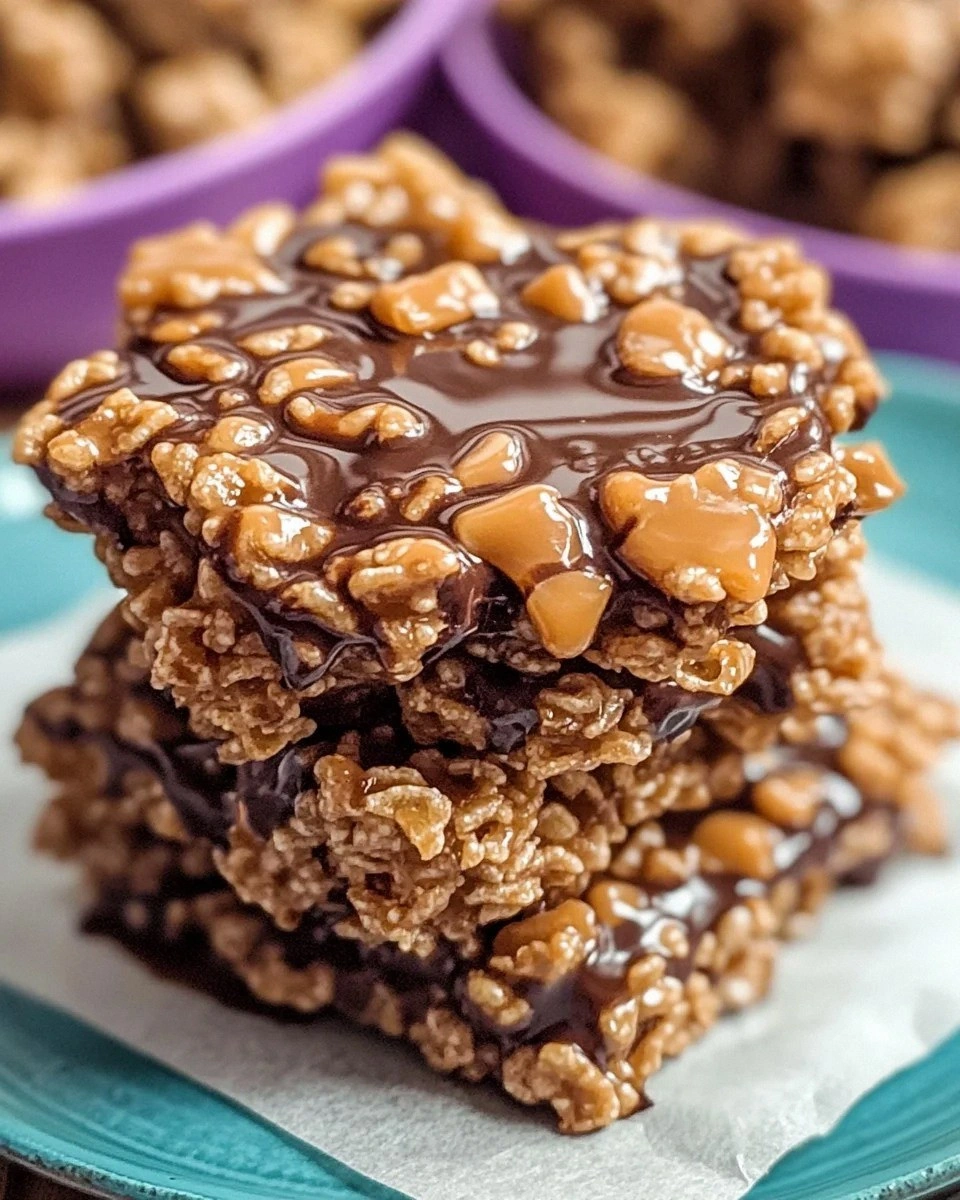
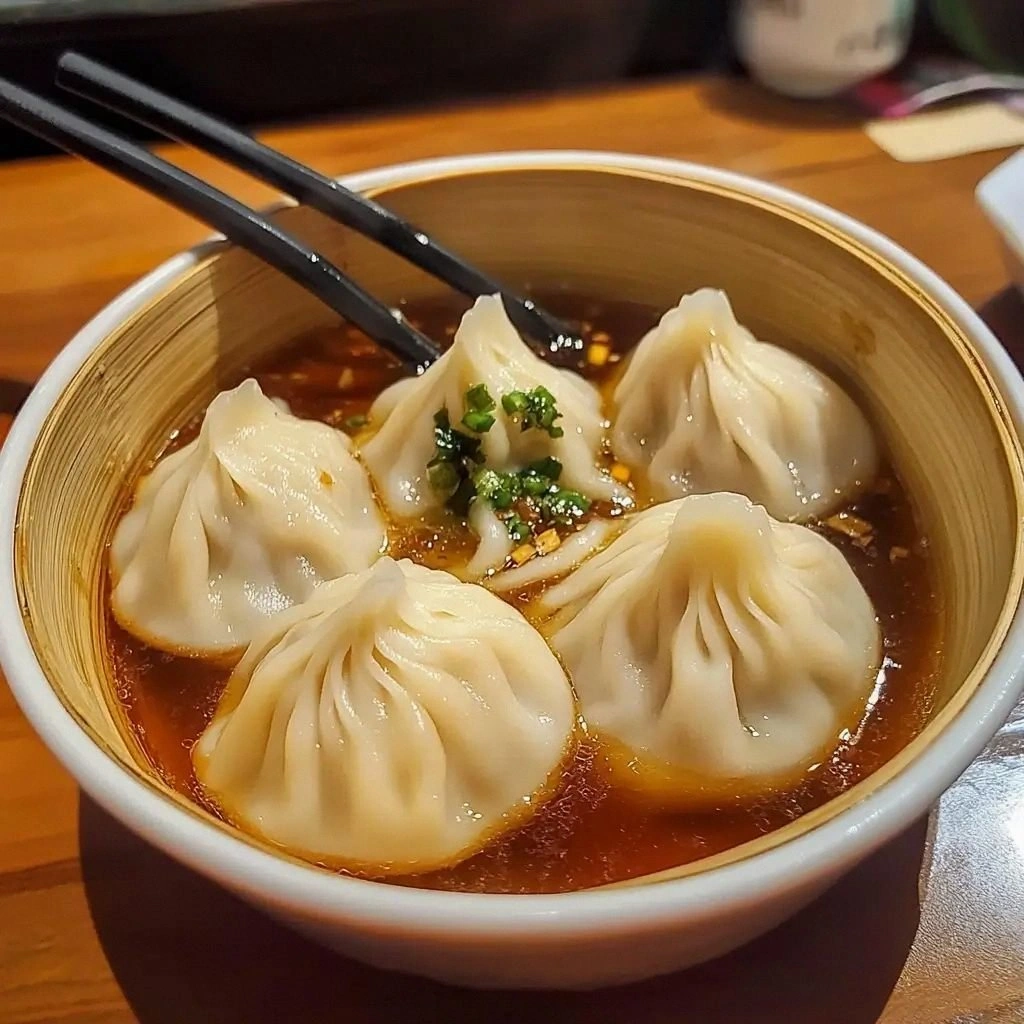
I remember the night I first tasted a bowl of steaming chicken xiao long bao at a bustling street market in Shanghai. The moment the delicate dumpling burst open, a warm, savory broth swirled into my mouth, and my taste buds erupted in a symphony of umami and gentle sweetness. That instant was the spark that lit a culinary obsession, a craving that could not be quelled. I dared myself to recreate that experience at home, and what followed was a journey of trial, error, and triumph that turned an ordinary kitchen into a laboratory of flavor.
Picture this: a pot of chicken stock simmering, the aroma of ginger and scallions filling the air, the sound of the dough being kneaded, and the anticipation of watching the dumplings rise and steam. The texture of the dough—soft yet resilient—mirrors the silky broth inside, a contrast that feels like a gentle hug for your palate. Each bite delivers a burst of savory chicken, a hint of citrus from the vinegar, and a whisper of spice that lingers. The experience is sensory, tactile, and utterly addictive.
What makes this version stand out is not just the ingredients but the meticulous attention to detail that elevates each component. From the choice of high‑gluten flour to the precise gelatin ratio that creates the signature broth, every element is calibrated to deliver a dumpling that is both tender and flavorful. I’ve refined the process through countless batches, learning which tweaks make the difference between ordinary and extraordinary. The result? A dish that feels like a culinary revelation every time you bite.
And there’s a secret ingredient that you won’t expect—gelatin. Yes, gelatin, the humble protein that turns liquid into a silky, edible film. It’s the key to that coveted broth that clings to the inside of the wrapper, creating that “soup-filled” sensation that is the hallmark of authentic xiao long bao. Trust me, once you taste the first bite, I dare you to taste this and not go back for seconds. Let me walk you through every single step—by the end, you’ll wonder how you ever made it any other way.
What Makes This Version Stand Out
- Taste: The broth is a layered symphony of soy, ginger, garlic, and a subtle sweetness from sugar that balances the savory chicken. It coats the wrapper like velvet, leaving a lingering umami aftertaste that keeps you coming back.
- Texture: The wrapper is thin enough to crackle slightly when you bite, yet firm enough to hold the broth without leaking. The dough’s elasticity comes from a high‑gluten flour blend that gives it that satisfying chew.
- Ingredient Quality: Using fresh, free‑range chicken and premium soy sauce ensures a depth of flavor that mass‑produced versions can’t match. The gelatin is pure, unflavored, and dissolves cleanly into the broth.
- Simplicity: Despite the complex flavor profile, the process is streamlined. A single dough, a single filling, and a single broth mixture mean fewer pots and pans to clean.
- Crowd Reaction: Friends who’ve tried this version report that they “never wanted to eat anything else” after the first bite. The dumplings are the star of any gathering, turning a casual meal into a memorable event.
- Make‑Ahead Potential: The dough can be rested overnight, the filling prepared a day ahead, and the dumplings frozen individually. They reheat beautifully, keeping the broth intact.
- Authenticity: The technique of folding the dumplings in a specific shape—creating a small “flap” that seals the broth—is a nod to traditional Chinese craftsmanship.
Inside the Ingredient List
The Flavor Base
The foundation of the broth starts with a generous ladle of homemade chicken stock. I simmer the stock for at least an hour to extract maximum flavor, then strain it to remove any impurities. Adding a splash of rice vinegar balances the richness, cutting through the fat and giving the broth a bright, clean finish. Skipping the vinegar turns the broth into a dull, heavy liquid that lacks the signature zing.
The Texture Crew
All‑purpose flour is the star of the wrapper, but the secret lies in the ratio of water to flour. A slightly higher water content creates a dough that’s pliable and elastic, which is essential for forming the thin, translucent wrapper. If you use too little water, the dough will be stiff and crack. The addition of cornstarch to the dough mixture reduces gluten development, keeping the wrapper tender and preventing it from becoming rubbery.
The Unexpected Star
Gelatin is the unsung hero that turns a runny broth into a silky, clingy sauce that stays inside the dumpling. Dissolve 1 teaspoon of gelatin in a small amount of cold water, let it bloom for 5 minutes, then warm it gently until it liquefies. If you skip gelatin, the broth will leak out, ruining the signature “soup‑filled” experience. A good alternative is to use a small amount of cold water with a pinch of salt to create a natural gelatinous effect, but the texture won’t be as refined.
The Final Flourish
Finishing touches like a dash of sesame oil, a sprinkle of chopped scallions, and a whisper of white pepper add layers of aroma and depth. The sesame oil provides a nutty undertone that complements the savory broth, while scallions add a fresh, bright note that cuts through the richness. White pepper offers a subtle heat that balances the sweetness of sugar, creating a harmonious flavor profile. Neglecting any of these elements can make the dish feel flat and unremarkable.
Everything’s prepped? Good. Let’s get into the real action.
The Method — Step by Step
- Combine the flour, cornstarch, and a pinch of salt in a large mixing bowl. Gradually add the water, mixing until a shaggy dough forms. Knead on a lightly floured surface for 5–7 minutes until the dough becomes smooth and elastic. Cover with a damp cloth and let it rest for 30 minutes; this rest period allows the gluten to relax, making the dough easier to roll thin.
- While the dough rests, prepare the filling. In a saucepan, heat a splash of sesame oil over medium heat. Add the minced ginger, garlic, and scallions; sauté until fragrant, about 1 minute. Stir in the ground chicken, breaking it apart with a wooden spoon. Cook until the chicken turns opaque, then add soy sauce, sugar, salt, white pepper, and a dash of oyster sauce. Let the mixture simmer for 3 minutes to meld the flavors.
- Fold in the gelatin mixture, ensuring it’s fully incorporated into the filling. The gelatin will give the broth its signature silky texture. Allow the filling to cool slightly; a hot filling will cause the dough to become soggy.
- Roll each dough piece into a thin circle, about 3 inches in diameter. Place a tablespoon of filling in the center, then carefully fold the edges over to form a small “flap.” Pinch the edges together, sealing the dumpling. The flap not only holds the broth but also creates the classic triangular shape that is visually appealing.
- Place the dumplings on a sheet of parchment paper to prevent sticking. Arrange them in a steamer basket, leaving a small gap between each. Steam over high heat for 6–8 minutes, or until the wrappers are translucent and the filling is hot. The steam should be vigorous; if the water level is too low, the dumplings may not cook evenly.
- Remove the dumplings from the steamer and let them rest for a minute. This short pause allows the broth to settle and the wrappers to firm up slightly. Serve immediately with a small bowl of soy sauce and a dash of rice vinegar for dipping.
- If you have leftovers, store them in an airtight container in the refrigerator for up to 2 days. Reheat in a steamer or microwave with a damp paper towel; this prevents the wrappers from drying out and keeps the broth intact.
That’s it—you did it. But hold on, I’ve got a few more tricks that will take this to another level. The secret to a flawless dumpling isn’t just in the ingredients; it’s in the timing, the temperature, and a few little adjustments that make all the difference.
Insider Tricks for Flawless Results
The Temperature Rule Nobody Follows
Maintaining the right temperature is critical for both the dough and the filling. The dough should be at room temperature when you roll it; cold dough becomes tough, while warm dough can become sticky and difficult to work with. Similarly, the filling should be hot enough to keep the broth from cooling, but not so hot that the gelatin melts completely and loses its structure. I keep a small thermometer handy to monitor the filling’s temperature, aiming for around 70°C.
Why Your Nose Knows Best
Smell is a powerful indicator of readiness. When the broth is properly simmered, it should emit a deep, savory aroma that’s both comforting and slightly sweet. If the scent feels flat or overly sharp, the broth likely needs more time to develop. Trust your nose; it will guide you to the perfect balance of flavors.
The 5-Minute Rest That Changes Everything
After steaming, let the dumplings rest for exactly five minutes before serving. This brief pause allows the broth to settle, preventing it from spilling when you bite into the wrapper. It also gives the wrapper a chance to firm up slightly, making each bite easier to handle. Skipping this step can result in a soggy wrapper that feels like a mess.
Use a Steamer Basket with a Lid
A steamer basket with a tight‑fitting lid traps steam effectively, ensuring even cooking. If you use a basket that’s too loose, the steam will escape, leading to unevenly cooked dumplings. A well‑sealed steamer also keeps the broth from evaporating too quickly, preserving the signature “soup‑filled” sensation.
Freeze Dumplings Individually for On‑Demand Meals
Lay the cooked dumplings on parchment paper in a single layer and freeze them for 1–2 hours. Then transfer them to a zip‑lock bag. When you’re ready to eat, pop a handful into the steamer and steam for 7 minutes. The individual freezing prevents clumping and ensures each dumpling reheats evenly.
Creative Twists and Variations
This recipe is a playground. Here are some of my favorite ways to switch things up:
Spicy Sichuan Edition
Add a teaspoon of Sichuan peppercorn powder to the filling for a numbing heat that pairs beautifully with the savory broth. Serve with a side of chili oil for those who love an extra kick.
Mushroom & Tofu Fusion
Replace half the chicken with finely chopped shiitake mushrooms and add a scoop of silken tofu for a vegetarian version that still delivers depth and richness.
Seafood Surprise
Swap the ground chicken for a mix of minced shrimp and scallop. The briny flavors of the seafood complement the sweet broth, creating a luxurious twist.
Herb‑Infused Variation
Stir in a handful of fresh cilantro and a splash of lime juice into the filling. The bright herbal notes cut through the richness, giving the dumplings a fresh, summery feel.
Gluten‑Free Adaptation
Use a blend of rice flour and tapioca starch for the wrapper. The texture will be slightly different—more tender and less chewy—but the flavor profile remains intact.
Storing and Bringing It Back to Life
Fridge Storage
Store cooked dumplings in an airtight container for up to 2 days. Keep them in the refrigerator at 4°C to preserve freshness. Reheat in a steamer or microwave with a damp paper towel for 2–3 minutes.
Freezer Friendly
Freeze dumplings in a single layer on parchment paper, then transfer to a zip‑lock bag once frozen. They can be stored for up to 2 months. Thaw overnight in the refrigerator before reheating.
Best Reheating Method
The ideal reheating method is steaming, as it restores the wrapper’s softness and keeps the broth intact. If you’re short on time, microwave them in a damp paper towel for 1 minute, but be careful not to overcook.
Add a tiny splash of water before reheating—this creates steam that revives the broth’s silky texture, giving the dumplings that fresh, hot feel.