
Grilled Salmon with Lemon
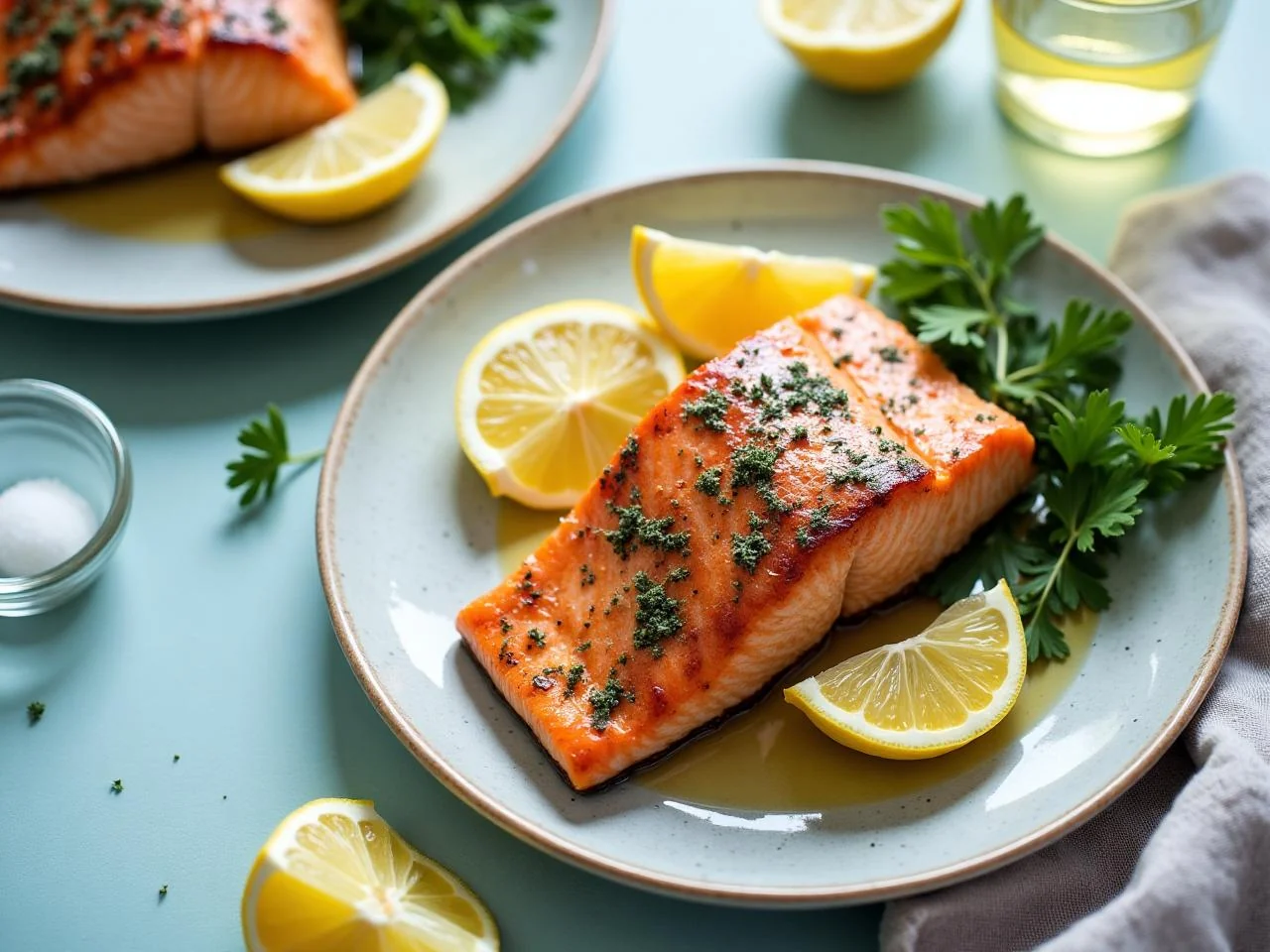
As a coastal home cook, I've always been drawn to the simplicity and flavor of grilled salmon. There's something special about the way the smoky char of the grill pairs with the bright, citrusy flavor of lemon. In this recipe, I'll show you how to make a delicious grilled salmon with lemon that's perfect for a weeknight dinner or a special occasion.
I remember my first time trying grilled salmon - it was at a family barbecue, and my aunt had made this incredible dish with a mixture of lemon juice, olive oil, and herbs. The way the flavors all came together was just magic, and I was hooked from the very first bite. Since then, I've been experimenting with different marinades and seasonings to create the perfect grilled salmon recipe.
One of the things I love about this recipe is how easy it is to make. With just a few simple ingredients and some basic cooking techniques, you can create a dish that's sure to impress your friends and family. And the best part is, it's ready in under an hour - perfect for a busy weeknight dinner or a quick lunch.
In this recipe, I'll be using a combination of lemon juice, olive oil, garlic, and herbs to create a marinade that's both flavorful and aromatic. I'll also be sharing some tips and tricks for grilling the salmon to perfection, including how to get a nice char on the outside while keeping the inside moist and tender.
So if you're looking for a delicious and easy-to-make grilled salmon recipe, you're in the right place. Let's get started!
Why You’ll Love This Recipe
- This recipe is easy to make and requires minimal ingredients
- The combination of lemon juice, olive oil, and herbs creates a flavorful and aromatic marinade
- The grilled salmon is perfect for a quick and easy dinner or lunch
- The recipe is versatile and can be served with a variety of sides and salads
- The dish is healthy and nutritious, making it a great option for a weeknight dinner
- The recipe is perfect for beginners, as it requires minimal cooking techniques and equipment
Why This Recipe Works
The key to making a great grilled salmon is to use a combination of flavorful ingredients and proper cooking techniques. In this recipe, we're using a marinade made with lemon juice, olive oil, garlic, and herbs to add flavor and moisture to the salmon. The acidity in the lemon juice helps to break down the proteins in the fish, making it tender and flaky.
When it comes to grilling the salmon, it's all about getting a nice char on the outside while keeping the inside moist and tender. To do this, we'll be using a medium-high heat and cooking the salmon for a few minutes on each side. This will help to create a nice crust on the outside while cooking the inside to perfection.
Another important thing to keep in mind when grilling salmon is to not overcook it. Salmon is best when it's cooked to a medium-rare or medium temperature, so we'll be using a thermometer to check the internal temperature of the fish. This will ensure that it's cooked to a safe temperature while still being nice and tender.
Ingredients You’ll Need
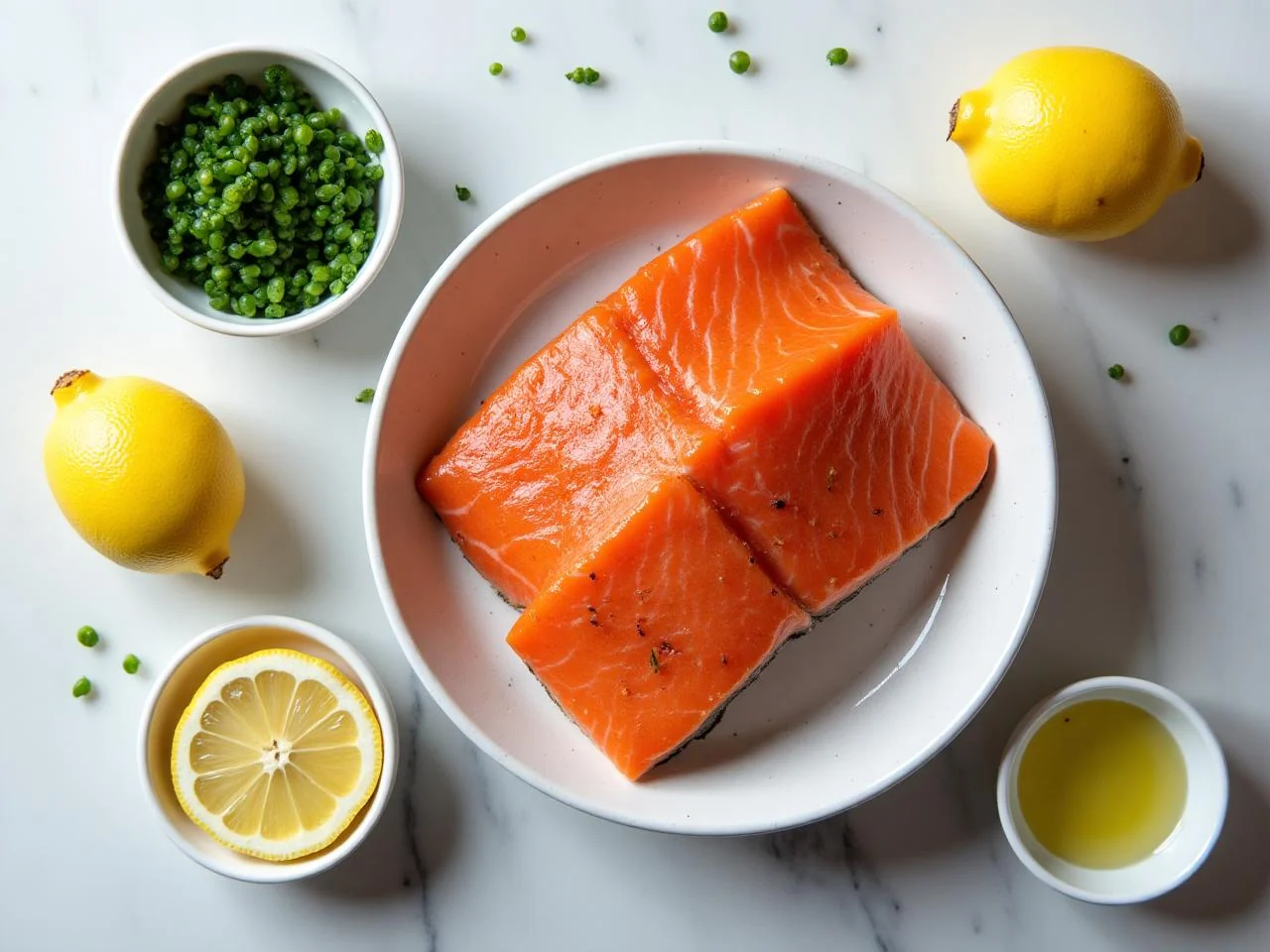
To make this recipe, you'll need a few simple ingredients, including salmon fillets, lemon juice, olive oil, garlic, and herbs. You can find these ingredients at most grocery stores, and they're relatively inexpensive. When shopping for salmon, look for fresh, sustainable options that are rich in flavor and texture.
In addition to the ingredients, you'll also need some basic cooking equipment, such as a grill, a cutting board, and a spatula. Make sure to have these items on hand before you start cooking, as they'll make the process much easier and more efficient.
- 4 salmon fillets (6 oz each)Look for fresh, sustainable salmon that's rich in flavor and texture. You can also use other types of fish, such as tilapia or mahi-mahi, but salmon works best for this recipe.
- 1/2 cup lemon juiceFreshly squeezed lemon juice is best for this recipe, as it adds a bright and citrusy flavor to the salmon. You can also use bottled lemon juice, but make sure to choose a high-quality option that's 100% juice.
- 1/4 cup olive oilOlive oil is a great choice for this recipe, as it adds a rich and fruity flavor to the salmon. You can also use other types of oil, such as avocado or grapeseed, but olive oil works best.
- 4 cloves garlic, mincedGarlic adds a pungent and savory flavor to the salmon, and it's a key ingredient in the marinade. Make sure to mince the garlic finely, as this will help it distribute evenly throughout the dish.
- 2 tbsp chopped fresh herbs (such as parsley, dill, or thyme)Fresh herbs add a bright and refreshing flavor to the salmon, and they're a great way to add some extra flavor to the dish. Choose your favorite herbs and chop them finely, as this will help them distribute evenly throughout the marinade.
- Salt and pepper to tasteSalt and pepper are essential seasonings for this recipe, as they add depth and complexity to the salmon. Make sure to use high-quality salt and pepper, and adjust the seasoning to taste.
- 1 tsp dried thymeDried thyme adds a savory and slightly bitter flavor to the salmon, and it's a great way to add some extra depth to the dish. You can also use fresh thyme, but dried thyme works best for this recipe.
- 1 tsp paprikaPaprika adds a smoky and slightly sweet flavor to the salmon, and it's a great way to add some extra color and flavor to the dish. Make sure to use high-quality paprika, as this will help to bring out the best flavor in the salmon.
- 1 tsp garlic powderGarlic powder adds a savory and slightly sweet flavor to the salmon, and it's a great way to add some extra depth to the dish. Make sure to use high-quality garlic powder, as this will help to bring out the best flavor in the salmon.
- 1 tsp onion powderOnion powder adds a savory and slightly sweet flavor to the salmon, and it's a great way to add some extra depth to the dish. Make sure to use high-quality onion powder, as this will help to bring out the best flavor in the salmon.
Equipment You’ll Need
How to Make Grilled Salmon with Lemon
- 1Preheat your grill or grill pan to medium-high heat, about 400-450°F (200-230°C). Make sure to oil the grates or pan to prevent the salmon from sticking.
- 2In a small bowl, whisk together the lemon juice, olive oil, garlic, herbs, salt, pepper, thyme, paprika, garlic powder, and onion powder to make the marinade.
- 3Place the salmon fillets in a shallow dish or zip-top plastic bag, and pour the marinade over them. Make sure the salmon is coated evenly with the marinade, and seal the bag or cover the dish with plastic wrap.
- 4Refrigerate the salmon for at least 30 minutes or up to 2 hours to allow it to marinate. This will help the flavors to penetrate the fish and make it more tender and flavorful.
- 5Remove the salmon from the marinade, letting any excess liquid drip off. You can also pat the salmon dry with paper towels to remove excess moisture and help the fish cook more evenly.
- 6Place the salmon on the grill or grill pan, skin side down (if it has skin). Close the lid or cover the pan with a sheet of aluminum foil to help the fish cook more evenly and prevent it from drying out.
- 7Cook the salmon for 4-5 minutes per side, or until it reaches an internal temperature of 145°F (63°C). You can check the temperature by inserting a food thermometer into the thickest part of the fish.
- 8Remove the salmon from the grill or pan, and place it on a plate or tray. Let it rest for a few minutes to allow the juices to redistribute and the fish to relax.
- 9Serve the salmon hot, garnished with additional herbs or lemon wedges if desired. You can also serve it with a variety of sides, such as rice, vegetables, or salad.
- 10To add some extra flavor to the dish, you can also make a pan sauce by reducing the marinade on the stovetop or in the oven. Simply pour the marinade into a small saucepan, and bring it to a boil over high heat. Reduce the heat to low and simmer the sauce for a few minutes, or until it thickens slightly and develops a rich, syrupy texture.
- 11Brush the pan sauce over the salmon during the last minute of cooking, or serve it on the side as a dipping sauce. This will add a rich, flavorful glaze to the fish and make it even more delicious and impressive.
Expert Tips
- Make sure to pat the salmon dry with paper towels before cooking to remove excess moisture and help the fish cook more evenly.
- Don't overcrowd the grill or pan, as this can cause the salmon to steam instead of sear. Cook the fish in batches if necessary, to ensure it cooks evenly and develops a nice crust.
- Use a thermometer to check the internal temperature of the salmon, as this will help you to cook it to a safe temperature and prevent it from overcooking.
- Let the salmon rest for a few minutes before serving, as this will help the juices to redistribute and the fish to relax.
- Experiment with different marinades and seasonings to find the flavor combination that you like best. You can also add other ingredients to the marinade, such as soy sauce or honey, to give the salmon a unique and delicious flavor.
- Consider using a grill mat or grill basket to cook the salmon, as this will help to prevent it from sticking to the grates and make it easier to flip and remove.
- To add some extra flavor to the dish, you can also serve the salmon with a variety of sides, such as grilled vegetables or a salad with a citrus vinaigrette.
- If you're cooking the salmon in a grill pan, make sure to preheat the pan over high heat before adding the fish. This will help to create a nice crust on the outside and prevent the fish from sticking to the pan.
Common Mistakes to Avoid
- Overcooking the salmon, which can make it dry and tough. To avoid this, make sure to cook the fish to the right internal temperature, and don't overcook it.
- Not patting the salmon dry with paper towels before cooking, which can cause it to steam instead of sear. Make sure to pat the fish dry to remove excess moisture and help it cook more evenly.
- Not using a thermometer to check the internal temperature of the salmon, which can cause it to be undercooked or overcooked. Make sure to use a thermometer to ensure the fish is cooked to a safe temperature.
- Crowding the grill or pan, which can cause the salmon to cook unevenly. Make sure to cook the fish in batches if necessary, to ensure it cooks evenly and develops a nice crust.
- Not letting the salmon rest before serving, which can cause the juices to run out and the fish to become dry. Make sure to let the fish rest for a few minutes before serving, to help the juices to redistribute and the fish to relax.
- Not experimenting with different marinades and seasonings, which can cause the salmon to become boring and flavorless. Make sure to try different flavor combinations to find the one you like best.
Variations and Substitutions
- Using different types of fish, such as tilapia or mahi-mahi, which can change the flavor and texture of the dish. Make sure to adjust the cooking time and temperature according to the type of fish you're using.
- Adding other ingredients to the marinade, such as soy sauce or honey, which can give the salmon a unique and delicious flavor. Experiment with different flavor combinations to find the one you like best.
- Using a grill mat or grill basket to cook the salmon, which can help to prevent it from sticking to the grates and make it easier to flip and remove. Make sure to preheat the mat or basket before adding the fish.
- Serving the salmon with different sides, such as grilled vegetables or a salad with a citrus vinaigrette, which can add variety and interest to the dish. Experiment with different side dishes to find the ones you like best.
- Using a pan sauce to add extra flavor to the dish, which can be made by reducing the marinade on the stovetop or in the oven. Simply pour the marinade into a small saucepan, and bring it to a boil over high heat. Reduce the heat to low and simmer the sauce for a few minutes, or until it thickens slightly and develops a rich, syrupy texture.
- Adding some heat to the dish, such as red pepper flakes or diced jalapenos, which can give the salmon a spicy kick. Make sure to adjust the amount of heat according to your personal preference.
- Using fresh herbs, such as parsley or dill, which can add a bright and refreshing flavor to the dish. Make sure to chop the herbs finely, as this will help them distribute evenly throughout the marinade.
What to Serve With Grilled Salmon with Lemon
The grilled salmon is perfect for serving with a variety of sides, such as rice, vegetables, or salad. You can also serve it with a citrus vinaigrette or a pan sauce made from the marinade. Some other ideas for sides include roasted vegetables, grilled asparagus, or a quinoa salad with roasted vegetables.
One of my favorite ways to serve the salmon is with a simple green salad and a side of roasted vegetables. The bright, citrusy flavor of the salad pairs perfectly with the rich, savory flavor of the salmon, and the roasted vegetables add a nice crunch and texture to the dish.
Make-Ahead, Storage, Freezing and Reheating
The grilled salmon can be stored in the refrigerator for up to 3 days, or frozen for up to 2 months. To store the salmon, make sure to wrap it tightly in plastic wrap or aluminum foil, and place it in a covered container. You can also store the salmon in a zip-top plastic bag, but make sure to press out as much air as possible before sealing the bag.
To freeze the salmon, make sure to wrap it tightly in plastic wrap or aluminum foil, and place it in a covered container or zip-top plastic bag. You can also add a layer of parchment paper or wax paper to the container or bag to prevent the salmon from sticking.
To reheat the salmon, you can simply place it in the oven or on the stovetop. To reheat in the oven, preheat the oven to 350°F (180°C), and place the salmon on a baking sheet lined with parchment paper. Bake for 8-10 minutes, or until the salmon is heated through and flakes easily with a fork.
To reheat on the stovetop, place the salmon in a saucepan with a small amount of oil or butter, and cook over medium heat until the salmon is heated through and flakes easily with a fork. Make sure to stir the salmon occasionally to prevent it from burning or sticking to the pan.
Frequently Asked Questions
What type of fish is best for this recipe?
Salmon is the best type of fish for this recipe, as it has a rich, fatty flavor and a firm texture that holds up well to grilling. However, you can also use other types of fish, such as tilapia or mahi-mahi, if you prefer.
How long do I need to marinate the salmon?
You should marinate the salmon for at least 30 minutes, but you can marinate it for up to 2 hours if you prefer a stronger flavor. Make sure to refrigerate the salmon while it's marinating, and flip it halfway through the marinating time to ensure even flavor distribution.
What temperature should I cook the salmon to?
You should cook the salmon to an internal temperature of 145°F (63°C), which is the recommended safe temperature for cooked fish. Make sure to use a thermometer to check the temperature, as this will help you to cook the salmon to a safe temperature and prevent it from overcooking.
Can I cook the salmon in a pan instead of on the grill?
Yes, you can cook the salmon in a pan instead of on the grill. Simply preheat a skillet or sauté pan over medium-high heat, add a small amount of oil or butter, and cook the salmon for 3-4 minutes per side, or until it reaches an internal temperature of 145°F (63°C). Make sure to stir the salmon occasionally to prevent it from burning or sticking to the pan.
How do I know when the salmon is done?
You can tell when the salmon is done by checking its internal temperature with a thermometer. You can also check the salmon's texture and color, as it should be firm and flake easily with a fork when it's cooked. Make sure to cook the salmon to a safe temperature and don't overcook it, as this can make it dry and tough.
Can I freeze the salmon after it's been cooked?
Yes, you can freeze the salmon after it's been cooked. Simply wrap the salmon tightly in plastic wrap or aluminum foil, and place it in a covered container or zip-top plastic bag. You can store the salmon in the freezer for up to 2 months, and reheat it in the oven or on the stovetop when you're ready to eat it.
How do I reheat the salmon without drying it out?
To reheat the salmon without drying it out, make sure to use a low heat and a small amount of oil or butter. You can reheat the salmon in the oven or on the stovetop, and make sure to stir it occasionally to prevent it from burning or sticking to the pan. You can also add a small amount of liquid, such as water or broth, to the pan to help keep the salmon moist.
Can I make this recipe with other types of fish?
Yes, you can make this recipe with other types of fish, such as tilapia or mahi-mahi. However, make sure to adjust the cooking time and temperature according to the type of fish you're using, as different types of fish have different cooking requirements.
Ingredients
- 4 salmon fillets (6 oz each)
- 1/2 cup lemon juice
- 1/4 cup olive oil
- 4 cloves garlic, minced
- 2 tbsp chopped fresh herbs (such as parsley, dill, or thyme)
- Salt and pepper to taste
- 1 tsp dried thyme
- 1 tsp paprika
- 1 tsp garlic powder
- 1 tsp onion powder
Instructions
- Preheat your grill or grill pan to medium-high heat, about 400-450°F (200-230°C). Make sure to oil the grates or pan to prevent the salmon from sticking.
- In a small bowl, whisk together the lemon juice, olive oil, garlic, herbs, salt, pepper, thyme, paprika, garlic powder, and onion powder to make the marinade.
- Place the salmon fillets in a shallow dish or zip-top plastic bag, and pour the marinade over them. Make sure the salmon is coated evenly with the marinade, and seal the bag or cover the dish with plastic wrap.
- Refrigerate the salmon for at least 30 minutes or up to 2 hours to allow it to marinate. This will help the flavors to penetrate the fish and make it more tender and flavorful.
- Remove the salmon from the marinade, letting any excess liquid drip off. You can also pat the salmon dry with paper towels to remove excess moisture and help the fish cook more evenly.
- Place the salmon on the grill or grill pan, skin side down (if it has skin). Close the lid or cover the pan with a sheet of aluminum foil to help the fish cook more evenly and prevent it from drying out.
- Cook the salmon for 4-5 minutes per side, or until it reaches an internal temperature of 145°F (63°C). You can check the temperature by inserting a food thermometer into the thickest part of the fish.
- Remove the salmon from the grill or pan, and place it on a plate or tray. Let it rest for a few minutes to allow the juices to redistribute and the fish to relax.
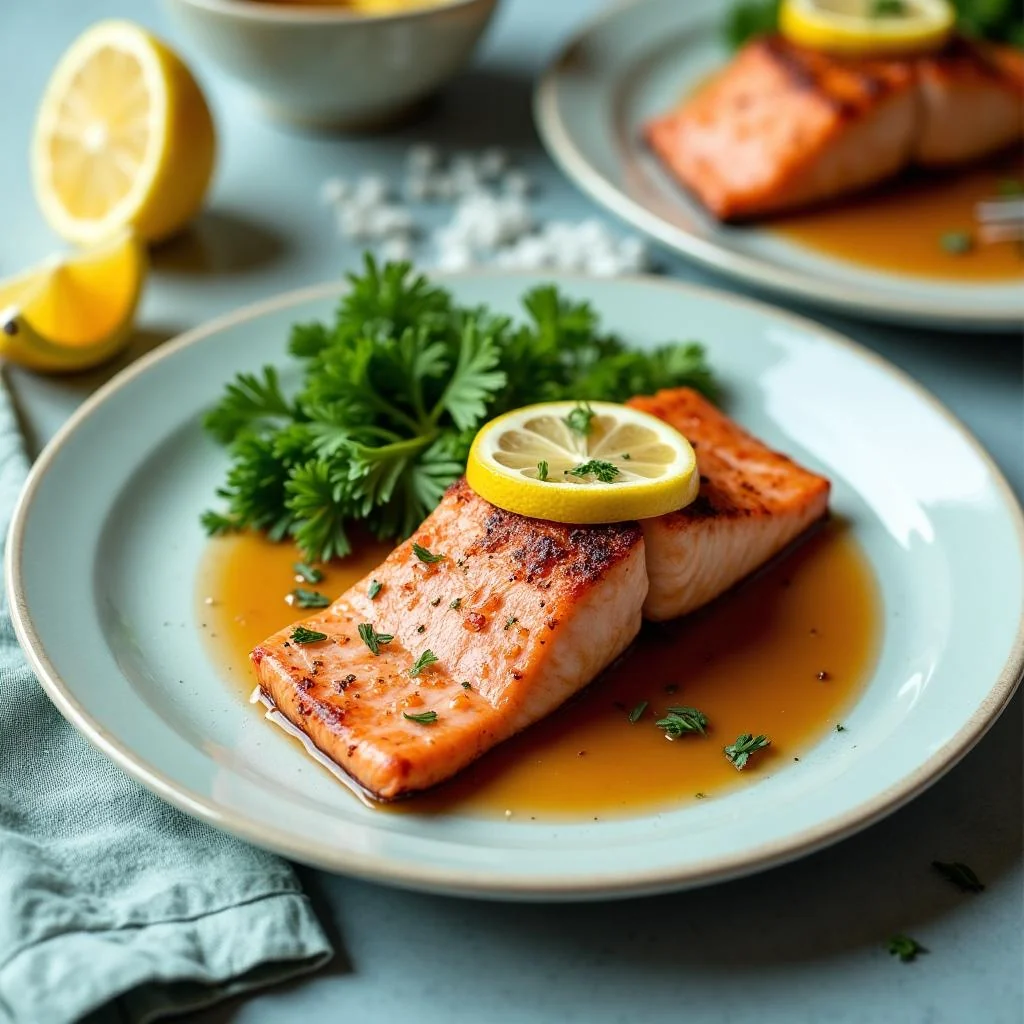
- Serve the salmon hot, garnished with additional herbs or lemon wedges if desired. You can also serve it with a variety of sides, such as rice, vegetables, or salad.
- To add some extra flavor to the dish, you can also make a pan sauce by reducing the marinade on the stovetop or in the oven. Simply pour the marinade into a small saucepan, and bring it to a boil over high heat. Reduce the heat to low and simmer the sauce for a few minutes, or until it thickens slightly and develops a rich, syrupy texture.
- Brush the pan sauce over the salmon during the last minute of cooking, or serve it on the side as a dipping sauce. This will add a rich, flavorful glaze to the fish and make it even more delicious and impressive.