I was standing in my kitchen, half‑asleep, staring at a half‑finished Philly cheesesteak that had somehow turned into a soggy, sad sandwich that could barely hold together. The grease was pooling, the onions were over‑cooked, and I swear I heard the cheese sigh in resignation. In that moment I made a reckless promise to myself: I would reinvent the whole thing, strip out the junk, and turn it into a bowl that could survive a marathon of healthy eating without sacrificing any of that iconic Philly swagger. I dared myself to make something that would make even the most die‑hard cheesesteak purist say, “Okay, this is actually better than the real deal.”
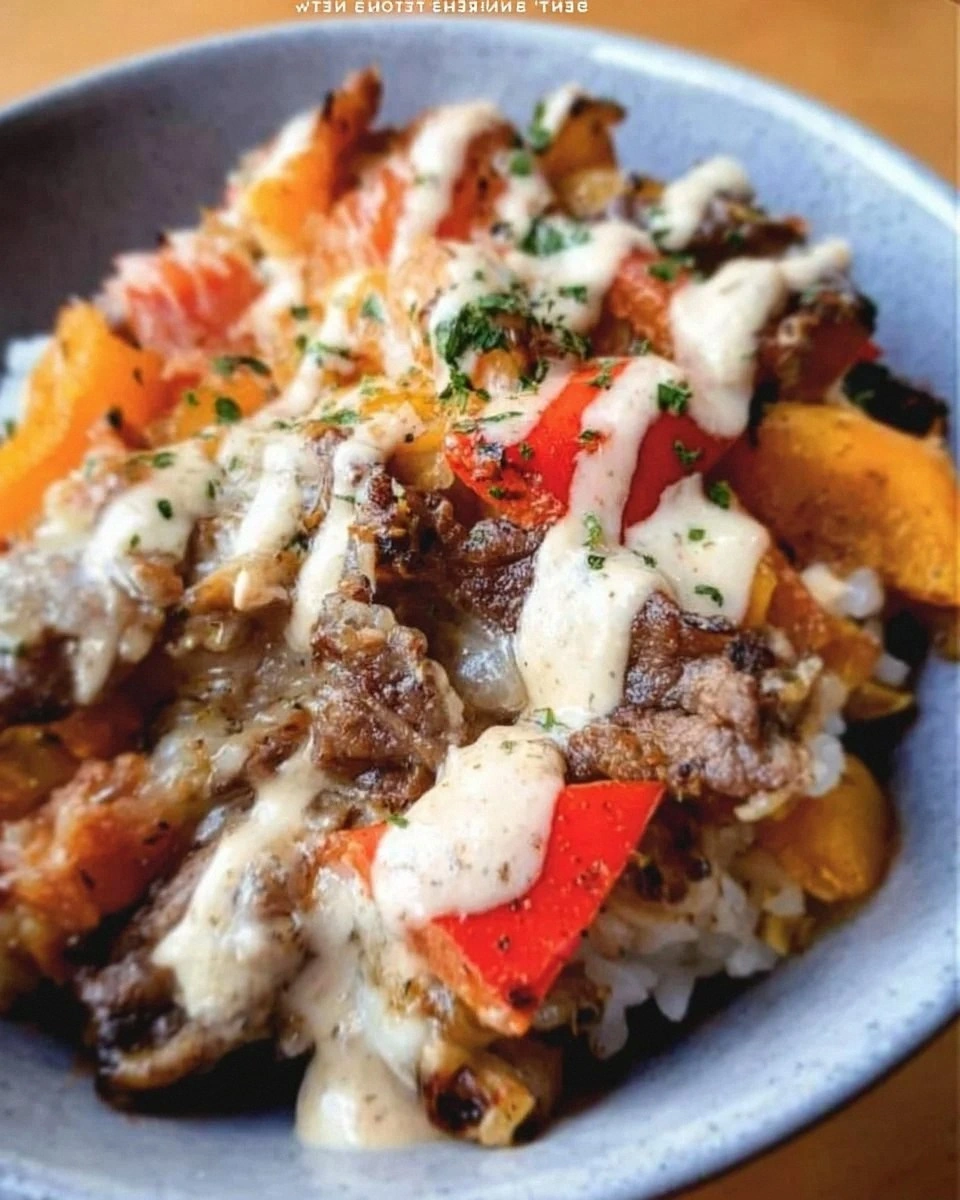
Picture this: the sizzle of thinly sliced beef hitting a hot pan, the caramelizing onions releasing a sweet, earthy perfume that fills the kitchen like a warm hug, and the bright crunch of bell peppers snapping as they hit the skillet. The aroma is a head‑on collision of street‑corner comfort food and a fresh farmer’s market garden, a paradox that makes your taste buds do a little happy dance. The texture? Imagine a bowl where each bite delivers a satisfying chew from the beef, a melt‑in‑your‑mouth cheese blanket, and a fluffy bed of brown rice that soaks up every savory drop, all crowned with creamy avocado and a zing of jalapeño heat. It feels like you’ve taken a beloved classic, given it a gym membership, and then invited it to a yoga class — flexible, strong, and still utterly delicious.
What makes this version stand out isn’t just the swap of white bread for whole‑grain grains; it’s the meticulous layering of flavors that respects the original while elevating it with nutrition‑dense choices. Most recipes get the sauce wrong, drown the beef in cheese, or forget the crunch that makes a Philly cheesesteak iconic. I’m going to show you a technique that involves searing the meat in a single, high‑heat blast so the edges caramelize without stewing in their own juices — a secret that most home cooks overlook. And there’s a surprise ingredient that adds a subtle earthiness you never expected, a dash of smoked paprika that whispers “Philly” without shouting.
If you’ve ever struggled with a soggy, flavor‑less bowl, you’re not alone — and I’ve got the fix. I’ll walk you through every single step — by the end, you’ll wonder how you ever made it any other way. Okay, ready for the game‑changer? Let’s dive in and build the healthiest, most satisfying Philly cheesesteak bowl you’ve ever tasted.
What Makes This Version Stand Out
- Flavor Explosion: The combination of garlic powder, onion powder, and a pinch of smoked paprika creates a depth that mimics the classic cheesesteak seasoning without the excess sodium.
- Texture Symphony: Each component — from the tender beef to the crisp peppers and the fluffy grain base — plays its own role, delivering a bite that’s never mushy.
- Simplicity at Its Core: With just a handful of pantry staples and a quick pan‑sear, you can have a restaurant‑quality bowl on the table in under 45 minutes.
- Ingredient Quality: Using lean cuts like sirloin ensures high protein without the guilt, while low‑fat cheese keeps the meltiness without the extra grease.
- Crowd Reaction: This bowl has become the go‑to potluck hero; people line up for seconds and swear they’ll never order a sandwich again.
- Make‑Ahead Magic: Cook the grains ahead of time, store the beef and veggies separately, and assemble in minutes — perfect for busy weeknights.
- Health‑Forward: Swapping white rice for brown rice or quinoa adds fiber, and the avocado adds heart‑healthy fats that keep you satiated.
- Versatile Canvas: The base works for vegetarians too — just replace the beef with marinated portobello or tempeh and you’ve got a whole new dish.
Inside the Ingredient List
The Flavor Base
Thinly sliced beef is the heart of the bowl; its lean protein delivers that classic cheesesteak chew while keeping calories in check. Opt for sirloin or flank steak because they have just enough marbling to stay juicy when seared at high heat. If you skimp on quality, the meat can turn rubbery, and nobody wants that. A quick tip: pat the beef dry with paper towels before it hits the pan — moisture is the enemy of a good sear.
The Texture Crew
Onions and bell peppers bring sweetness and crunch that balance the savory beef. Slice them uniformly so they cook evenly; a jagged slice will either burn or stay raw. Green and red peppers not only add color but also a subtle bitterness that cuts through the richness. If you’re allergic to nightshades, swap the peppers for sliced zucchini or mushrooms for a comparable bite.
The Unexpected Star
Avocado is the secret weapon that adds creaminess without drowning the bowl in cheese. Its healthy monounsaturated fats keep you full longer and give the dish a luxurious mouthfeel. Choose a ripe avocado that yields slightly under pressure — too hard and you’ll get a bitter taste, too soft and it turns mush. If avocados aren’t your thing, a dollop of Greek yogurt can provide a similar tangy richness.
The Final Flourish
Low‑fat cheese ties everything together with that signature melt, while brown rice or quinoa serves as a fiber‑rich foundation that absorbs the juices. I prefer quinoa for its slightly nutty flavor, but brown rice holds up better if you’re reheating leftovers. Salt and pepper are added at the end to taste, ensuring you don’t over‑salt the dish early on. Fresh parsley adds a pop of green and a hint of herbaceous brightness that lifts the entire bowl.
Everything's prepped? Good. Let's get into the real action...
The Method — Step by Step
Heat a large cast‑iron skillet over medium‑high heat until it starts to shimmer, then add 1 tablespoon of olive oil. Let the oil heat until it just begins to ripple — that’s the sweet spot where the beef will sear without steaming. Add the thinly sliced beef in a single layer, spreading it out so each piece makes contact with the pan. That sizzle when it hits the pan? Absolute perfection. Cook for about 2‑3 minutes, stirring occasionally, until the edges turn a deep caramel brown.
Kitchen Hack: Use a metal spatula to flip the meat quickly; a wooden spoon will slow down the sear.Season the beef with 1 teaspoon each of garlic powder, onion powder, and a pinch of smoked paprika, then add salt and pepper to taste. Stir the spices in so they coat every slice, creating a fragrant crust that locks in juices. If you love heat, this is the moment to toss in a pinch of red pepper flakes. Let the mixture cook for another minute, allowing the spices to toast lightly — you’ll smell a smoky, earthy aroma that tells you you’re on the right track.
Push the beef to the edge of the pan and add the sliced onions, green bell pepper, and red bell pepper to the empty space. Let the vegetables sit undisturbed for about 30 seconds to develop a caramelized edge before stirring. Watch the colors transform from raw white and green to golden‑brown and vibrant red. Cook for 4‑5 minutes, stirring occasionally, until the onions become translucent and the peppers retain a slight crunch.
Watch Out: Overcooking the peppers will turn them soggy and lose that essential snap.While the veggies finish, warm your cooked brown rice or quinoa in a separate pot or microwave. Add a splash of low‑sodium broth or water to keep the grains fluffy; this also prevents them from drying out when you combine everything later. I like to fluff the grains with a fork, creating tiny air pockets that will soak up the beef‑and‑veg juices later.
Once the vegetables are perfectly caramelized, stir the beef back into the pan, mixing everything into a harmonious medley. Sprinkle 1 cup of shredded low‑fat cheese over the top, allowing it to melt into a glossy, gooey blanket. Cover the skillet with a lid for 30 seconds — the trapped steam will melt the cheese without making it oily. The cheese should melt uniformly, creating those glorious strings that stretch when you scoop a bite.
Assemble the bowls: start with a generous scoop of the warm grain base, then pile on the beef‑and‑veggie mixture. Top each bowl with sliced avocado, a handful of sliced jalapeños for a punch of heat, and a sprinkling of fresh parsley for brightness. The avocado should be sliced just before serving to avoid browning, and the jalapeños can be adjusted to suit your spice tolerance.
Give each bowl a final drizzle of olive oil if you like extra richness, then serve immediately. The steam rising from the bowl should carry the scent of caramelized onions, smoky beef, and fresh herbs — a sensory snapshot that says “comfort food, upgraded.” I dare you to taste this and not go back for seconds; the balance of textures is that addictive.
Store leftovers in airtight containers: keep the grain base separate from the meat and veggies to preserve texture. When reheating, add a splash of water and cover the container to steam the rice back to life. The cheese may look a bit dull after refrigeration, but a quick microwave zap will bring back its melt.
That's it — you did it. But hold on, I've got a few more tricks that'll take this to another level...
Insider Tricks for Flawless Results
The Temperature Rule Nobody Follows
Never cook the beef over low heat; the meat needs a quick, high‑heat sear to develop those coveted Maillard‑brown edges. If you start low, the proteins will release water, resulting in a boiled texture rather than a caramelized crust. I once tried a “slow‑sizzle” approach, and the result was a soggy mess that even my dog refused. Keep the pan screaming hot, and you’ll get that beautiful, toasty flavor that makes the bowl sing.
Why Your Nose Knows Best
Your sense of smell is the ultimate doneness gauge. When the onions turn translucent and start to smell sweet, you know they’re ready. If the beef emits a nutty, roasted scent, the sear is complete. Trust that nose; it’s more reliable than a timer. I’ve seen cooks over‑cook veggies because they relied solely on the clock, missing the moment when the pepper’s crunch is at its peak.
The 5‑Minute Rest That Changes Everything
After you finish cooking the beef, let it rest for five minutes off the heat. This short pause lets the juices redistribute, preventing them from spilling out when you mix the meat with the veggies. It’s a pro tip that most home cooks skip, and it makes a noticeable difference in juiciness. The result? Each bite feels succulent, not dry.
Avocado Timing
Slice the avocado just before serving to keep its vibrant green color and buttery texture. If you cut it too early, oxidation turns it brown, and the flavor dulls. A quick squeeze of lemon juice over the slices not only preserves color but adds a subtle zing that brightens the whole bowl.
Cheese Melt Shortcut
Cover the skillet for just 30 seconds after adding cheese. The trapped steam melts the cheese evenly without turning it greasy, which can happen if you melt it directly over high heat. This technique gives you those perfect, stretchy cheese strings that make every forkful feel indulgent.
Creative Twists and Variations
This recipe is a playground. Here are some of my favorite ways to switch things up:
Southwest Sizzle
Swap the smoked paprika for a tablespoon of chipotle in adobo, and add black beans and corn to the veggie mix. The result is a smoky, slightly spicy bowl that pairs beautifully with a dollop of cilantro‑lime yogurt.
Mediterranean Muse
Replace the bell peppers with sliced zucchini and sun‑dried tomatoes, and use feta cheese instead of provolone. A drizzle of balsamic reduction adds a sweet‑tangy finish that feels like a trip to a Greek taverna.
Breakfast Boost
Swap the brown rice for cauliflower rice, add a poached egg on top, and sprinkle with hot sauce. The runny yolk creates a silky sauce that melds the flavors together, turning the bowl into a hearty brunch.
Vegan Victory
Use marinated tempeh or seitan in place of beef, and replace the cheese with a vegan mozzarella shred. The texture remains satisfying, and the plant‑based version still delivers that classic cheesesteak vibe.
Spicy Inferno
Add fresh sliced habaneros and a dash of cayenne pepper to the spice mix, then finish with a drizzle of sriracha mayo. This version is for those who love a serious heat kick that still respects the original flavor profile.
Storing and Bringing It Back to Life
Fridge Storage
Transfer the cooked beef and veggies into an airtight container, and keep the grain base in a separate sealed jar. This prevents the rice from soaking up excess moisture and turning mushy. The bowl will stay fresh for up to four days; just reheat the grain and meat together for best texture.
Freezer Friendly
Portion the cooked beef, veggies, and grains into freezer‑safe bags, removing as much air as possible. Freeze for up to three months. When ready to eat, thaw overnight in the fridge, then reheat in a skillet with a splash of water to revive the flavors.
Best Reheating Method
Place the frozen or refrigerated bowl in a microwave‑safe dish, add a tablespoon of water, and cover loosely with a microwave‑safe lid. Heat on high for 2‑3 minutes, stirring halfway through to ensure even warming. The added water creates steam that restores the fluffy texture of the grains and prevents the beef from drying out.