I once tried to impress a date with a simple steak‑and‑salad combo, only to end up with a soggy mess that tasted like a sad garden party. The grill was hotter than a summer sidewalk, the steak was as tough as old shoe leather, and the tomatoes turned into mushy confetti. I swear I heard the steak whisper, “Why did you betray me?” That disaster sparked a dare: I would create the ultimate grilled Caprese‑style steak that could turn any kitchen rookie into a culinary rockstar. I spent a week experimenting, tweaking, and tasting until I landed on a version that makes even the most skeptical palate sing.
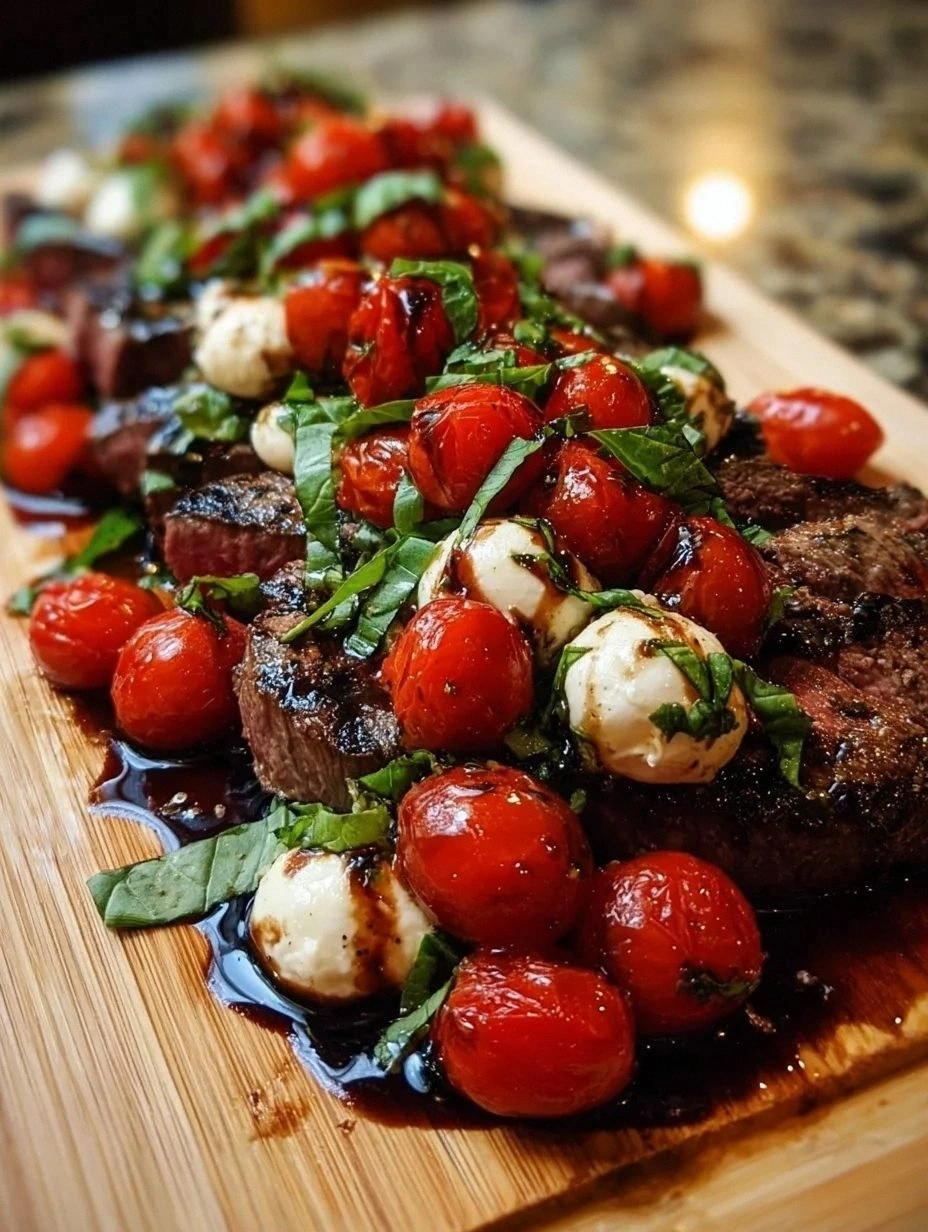
Picture this: a thick ribeye, seared to a caramelized crust that crackles like fireworks, then resting under a blanket of sweet‑tart balsamic glaze. Around it, cherry tomatoes blister into smoky jewels, while fresh mozzarella pearls melt just enough to whisper creaminess. A handful of bright basil leaves adds an aromatic punch that cuts through the richness like a cool breeze on a hot day. The whole plate smells like a Mediterranean garden after a summer rain, and the first bite? It’s a symphony of umami, acidity, and herbaceous freshness that makes your taste buds do a happy dance.
Most recipes try to juggle steak and Caprese separately, ending up with a dish that feels disjointed—like two strangers at a party who never talk. This version, however, marries them on the grill, letting the flavors meld in real time. The secret? A two‑stage grilling technique that gives the meat a perfect sear first, then finishes the tomatoes and mozzarella just long enough to develop char without overcooking. And the balsamic glaze? It’s not just a drizzle; it’s a glossy, caramel‑kissed finish that ties everything together like a masterful conductor.
I’m about to hand you the playbook for this masterpiece, complete with the exact quantities, timing cues, and a few cheeky hacks that will make you the hero of any dinner table. I dare you to taste this and not go back for seconds. Ready? Let me walk you through every single step — by the end, you’ll wonder how you ever made it any other way.
What Makes This Version Stand Out
- Taste: The sweet‑tart balsamic glaze balances the beef’s richness, while the fresh mozzarella adds a buttery coolness that prevents the dish from feeling heavy.
- Texture: A crisp, caramelized crust on the steak meets the juicy burst of blistered cherry tomatoes and the silky melt of mozzarella pearls.
- Simplicity: Only nine ingredients, yet each plays a starring role; no fancy sauces or obscure spices required.
- Uniqueness: Grilling the Caprese components alongside the steak is a game‑changer that you won’t find in most cookbooks.
- Crowd Reaction: Guests often claim it’s “restaurant‑quality” and ask for the recipe before the first bite is even taken.
- Ingredient Quality: Using high‑grade ribeye or sirloin and fresh mozzarella pearls ensures every mouthful feels premium.
- Cooking Method: The two‑stage grill technique locks in juices while giving the veggies that coveted char.
- Make‑Ahead Potential: You can prep the glaze and slice the tomatoes ahead of time; the steak stays fresh until you’re ready to grill.
Inside the Ingredient List
The Flavor Base
Steaks (ribeye or sirloin) are the heart of this dish. A ribeye offers marbling that melts into buttery richness, while a sirloin gives you a leaner, yet still tender, bite. Skipping a quality cut means you’ll lose that mouth‑watering juiciness that makes the whole plate sing. If you can’t find ribeye, a well‑trimmed New York strip works as a solid alternative. When shopping, look for a bright red color and a firm texture; avoid any meat that feels mushy or has a grayish hue.
Olive Oil (for steak) is the silent hero that helps the meat develop that coveted crust. It also carries the flavors of any herbs you might add later. Using a low‑quality oil can result in a greasy, bland sear, so opt for extra‑virgin olive oil with a peppery finish. If you’re watching calories, a light brush is enough—don’t drown the steak.
The Texture Crew
Cherry Tomatoes bring a burst of sweetness that contrasts the savory steak. Their small size means they cook quickly, developing a caramelized exterior while staying juicy inside. If you skip them, you’ll miss that pop of acidity that cuts through the richness. For a twist, try heirloom tomatoes for varied colors and flavors.
Olive Oil (for tomatoes) ensures the tomatoes blister without sticking to the grill. A drizzle of oil also helps the balsamic glaze cling later on. Use the same high‑quality oil as for the steak to keep flavors consistent.
The Unexpected Star
Fresh Mozzarella Pearls are the creamy element that makes this a true Caprese experience. Their small size means they melt evenly, creating pockets of gooey goodness without turning into a cheese soup. If you substitute shredded mozzarella, you’ll lose that delightful bite‑size melt. Look for pearls packed in whey for the freshest texture.
Fresh Basil Leaves provide the aromatic finish that lifts the entire dish. Basil’s peppery‑sweet notes are essential; without them, the plate feels flat. If basil isn’t in season, try fresh arugula for a peppery alternative, but remember it will change the flavor profile.
The Final Flourish
Salt and Black Pepper are the classic seasoning duo that amplifies every other flavor. A pinch of sea salt brings out the natural juices of the steak, while freshly cracked black pepper adds a subtle heat. Skipping them results in a bland, one‑dimensional dish. Use flaky sea salt for texture, and grind pepper moments before cooking for maximum aroma.
Balsamic Glaze is the magical drizzle that ties everything together. Its sweet‑tangy profile mirrors the caramelized edges of the steak while brightening the tomatoes. If you can’t find a ready‑made glaze, reduce balsamic vinegar over low heat until it thickens; just watch it closely, or it can turn bitter. A drizzle at the end adds a glossy finish that makes the plate look as good as it tastes.
Everything's prepped? Good. Let's get into the real action...
The Method — Step by Step
Start by bringing your steaks to room temperature; this ensures even cooking. Pat them dry, then coat each side lightly with olive oil and season generously with salt and freshly cracked black pepper. I like to let the seasoning sit for about 10 minutes while I preheat the grill, because that’s when the flavors start to penetrate the meat. The scent of oil and pepper on the steak is already a promise of greatness.
Preheat your grill to high heat, aiming for about 450°F (230°C). While the grill is heating, toss the cherry tomatoes in a separate bowl with a drizzle of olive oil, a pinch of salt, and a dash of pepper. The oil helps them blister without sticking, and the seasoning brings out their natural sweetness. Let the tomatoes sit for a minute; they’ll start to soften slightly, which is exactly what we want.
Place the steaks directly over the hottest part of the grill. Hear that sizzle? That’s the sound of flavor forming. Grill for 4‑5 minutes per side for medium‑rare, turning only once. Use tongs—not a fork—to avoid piercing the meat and losing juices. When the steak releases easily from the grates, you know the crust is set.
- Kitchen Hack: After flipping the steak, add a small knob of butter on top; it will melt and baste the meat as it finishes cooking.
While the steaks finish, move the tomato skewer to the cooler side of the grill. You want them to blister and develop those charred spots without turning to mush. In about 3‑4 minutes, they’ll be soft inside, slightly crisp outside, and smelling like a summer garden after a rainstorm. Keep an eye on them; they can go from perfect to burnt in seconds.
When the steaks hit your desired internal temperature (130°F for medium‑rare), remove them and let them rest on a cutting board, loosely tented with foil. Resting is crucial; it allows the juices to redistribute, turning every bite into a succulent experience. While they rest, the grill will still be hot enough for a quick flash of the mozzarella pearls.
- Watch Out: Do not leave the mozzarella pearls on the grill for more than 30 seconds; they melt too quickly and can stick.
Place the mozzarella pearls directly on the grill for about 20‑30 seconds, just until they start to soften and develop a light golden hue. They should stay soft, not fully melt into a puddle. Remove them with a spatula and set aside. This quick sear gives them that signature Caprese melt without losing shape.
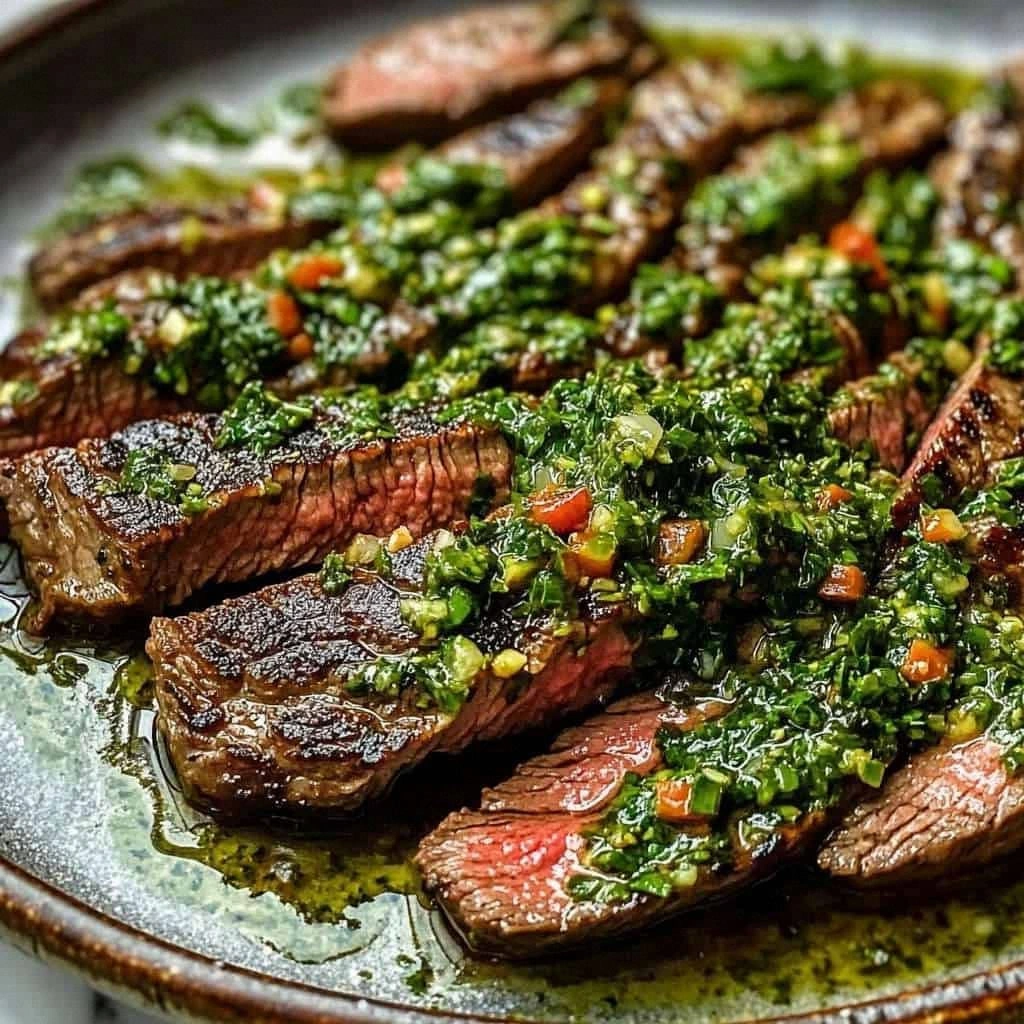
Slice the rested steaks against the grain into thick, juicy strips. This cutting method shortens the muscle fibers, making each bite easier to chew and more tender. Arrange the steak slices on a serving platter, overlapping them slightly to create a beautiful base.
Scatter the blistered cherry tomatoes over the steak, then distribute the softened mozzarella pearls evenly. Tuck fresh basil leaves among the meat, tomatoes, and cheese, allowing their fragrant oils to perfume the entire dish. The basil should look like a green garnish, but don’t crush it; you want those leafy bursts of aroma when bitten.
- Kitchen Hack: Drizzle the balsamic glaze in a zig‑zag pattern; this not only looks elegant but ensures every bite gets a touch of sweetness.
Finish the masterpiece by generously drizzling the balsamic glaze over the entire platter. Watch as the glossy sauce pools in the crevices, creating a visual contrast of deep amber against the bright reds and greens. Let the dish sit for a minute so the glaze can settle, then serve immediately while the steak is still warm and the cheese is just soft enough to give.
That's it — you did it. But hold on, I've got a few more tricks that'll take this to another level...
Insider Tricks for Flawless Results
The Temperature Rule Nobody Follows
Never grill steak on a medium flame; you need a roaring high heat to achieve that coveted Maillard crust. I once tried a “low‑and‑slow” approach, and the result was a pale, rubbery slab that tasted like a boiled piece of meat. Use a grill thermometer or the hand‑test method (hold your hand 5 inches above the grate; if you can keep it there for 2 seconds, you’re at the right heat). This ensures the exterior caramelizes while the interior stays juicy.
Why Your Nose Knows Best
Your sense of smell is the ultimate doneness indicator. When the steak starts to emit a nutty, toasted aroma, you’re close to the perfect sear. If the tomatoes begin to smell sweet and slightly smoky, they’re ready to be pulled off. Trust those olfactory cues—they’re more reliable than a timer, especially when grill temperatures fluctuate.
The 5‑Minute Rest That Changes Everything
Resting the steak isn’t optional; it’s the difference between a dry bite and a juicy mouthful. During the rest, the fibers re‑absorb the juices that were forced to the surface during cooking. I once skipped this step in a rush, and the juices ran straight onto the plate, leaving the meat dry. Cover the steak loosely with foil and let it sit for exactly five minutes for maximum juiciness.
Balsamic Glaze Consistency Check
If your glaze is too thin, it will slide off the steak and create a soggy mess. To test, dip a spoon into the glaze and lift it; it should coat the back of the spoon and flow slowly. If it’s too runny, return it to low heat and reduce until it reaches a syrupy consistency. This extra step guarantees a glossy finish that clings beautifully.
Tomato Blistering Secrets
The key to perfect blistered tomatoes is to keep them whole and avoid crowding the grill. Overcrowding causes steam, which prevents the char. I once tried to grill a whole pan of tomatoes and ended up with a mushy pile. Use a grill basket or skewers to give each tomato breathing room, and you’ll get those coveted blackened spots that add smoky depth.
Creative Twists and Variations
This recipe is a playground. Here are some of my favorite ways to switch things up:
Mediterranean Olive Remix
Add a handful of Kalamata olives, pitted and halved, to the platter just before serving. Their briny punch adds a salty contrast that pairs beautifully with the sweet balsamic glaze. Olive lovers will thank you, and the dish gains an extra Mediterranean vibe.
Spicy Southwest Flair
Sprinkle a pinch of smoked paprika and a dash of chipotle powder over the steak before grilling. Finish with a drizzle of chipotle‑infused balsamic glaze for a smoky heat that awakens the palate. This version is perfect for those who love a little kick.
Herbaceous Green Upgrade
Swap fresh basil for a mix of arugula, mint, and cilantro. The peppery arugula adds bite, while mint introduces a cooling note that balances the steak’s richness. This fresh herb blend makes the dish feel lighter and perfect for spring gatherings.
Cheese Lover’s Dream
Replace mozzarella pearls with slices of burrata or fresh buffalo mozzarella. The creamy interior of burrata creates a luxurious sauce that pools around the steak, turning each forkful into a velvety experience. Just be careful not to over‑drizzle the glaze, as the cheese already adds richness.
Grain‑Based Side Fusion
Serve the steak over a bed of quinoa or farro tossed with lemon zest and toasted pine nuts. The grain adds a subtle nuttiness and makes the meal more filling, turning it into a complete dinner without needing a side salad.
Storing and Bringing It Back to Life
Fridge Storage
Cool the steak and veggies to room temperature, then store them in an airtight container for up to 3 days. Keep the balsamic glaze in a separate small jar to prevent sogginess. When you’re ready to eat, reheat gently on a skillet over medium heat, adding a splash of water to revive the glaze’s shine.
Freezer Friendly
Wrap each steak individually in plastic wrap, then place them in a zip‑top freezer bag with a layer of parchment paper. The tomatoes and mozzarella don’t freeze well, so store them separately and add fresh ones when reheating. This method preserves flavor for up to 2 months.
Best Reheating Method
For the ultimate reheated experience, use a hot cast‑iron skillet. Add a teaspoon of olive oil, then place the steak slices and let them sizzle for 1‑2 minutes per side. Toss in the tomatoes and mozzarella just long enough to warm through. Finish with a fresh drizzle of balsamic glaze and a few extra basil leaves for that “just‑cooked” aroma.