I remember the night it all went wrong. I was trying to impress a friend with a quick chicken dinner and, in a moment of culinary hubris, I tossed the chicken directly into a pan that had just been heated with oil. The sizzle was glorious, but the chicken ended up rubbery, the veggies wilted, and the flavors clung to the pan like a bad habit. That disaster became the seed for a recipe that I now swear is hands down the best version you'll ever make at home. It’s a high-protein, flavor-packed chicken and vegetable skillet that turns a kitchen mishap into a triumph.
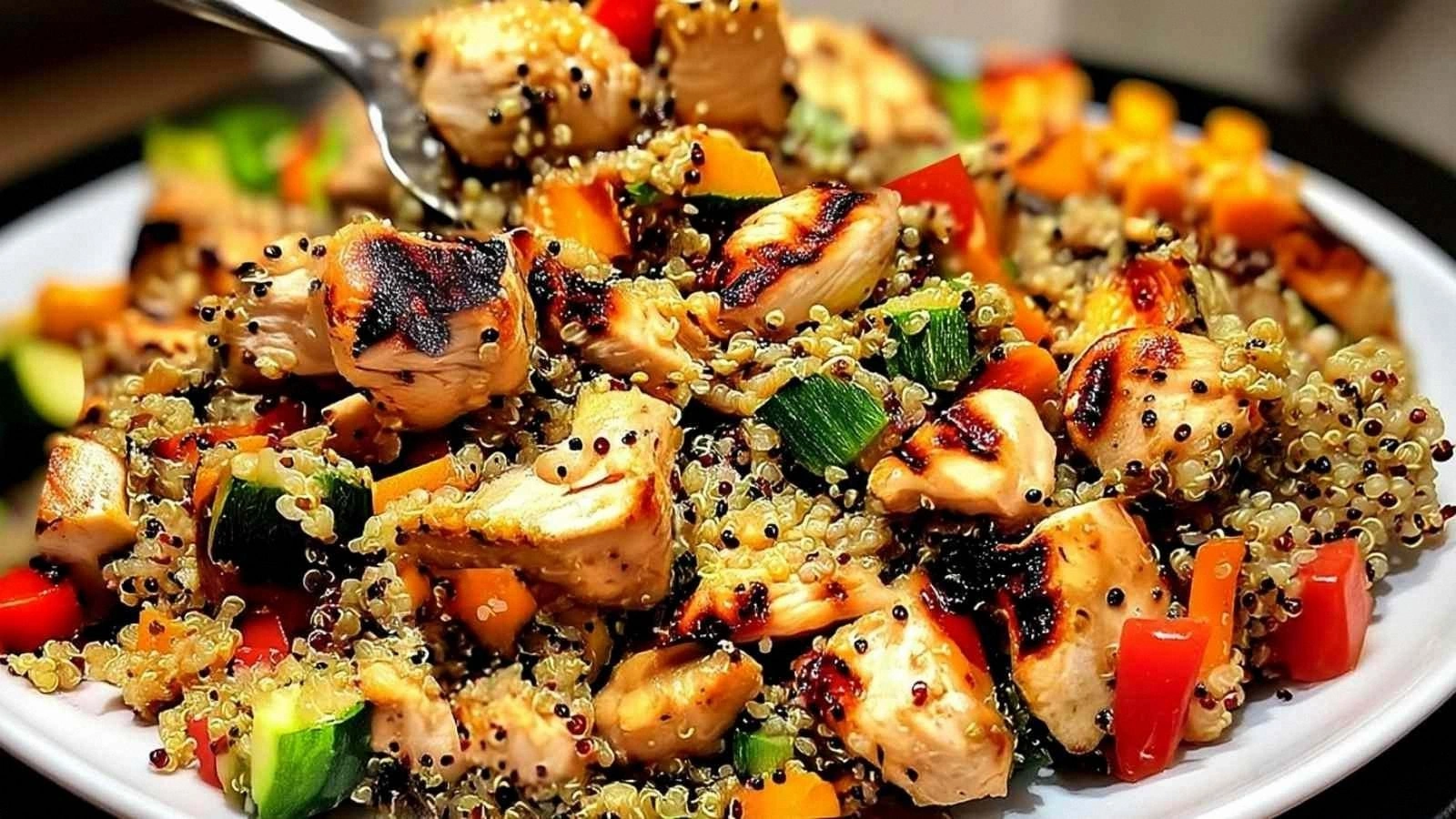
Picture yourself pulling this out of the skillet, the whole kitchen smelling incredible, and the plate glistening with a glossy lemon‑herb glaze. The chicken is tender, the bell peppers are crisp, and the zucchini gives a subtle bite that keeps every mouthful exciting. The sauce is silky, coating each bite like velvet, and the fresh parsley adds a bright, almost citrusy pop that lingers on the palate. I dare you to taste this and not go back for seconds, because the flavor depth will keep you craving more.
If you've ever struggled with a bland stir‑fry or a chicken dish that feels like a one‑dimensional meal, you're not alone— and I've got the fix. This recipe brings a new level of protein and crunch to the table, thanks to a clever blend of spices and a technique that locks in juices. The secret lies in the combination of low‑sodium broth, a splash of lemon, and a final flourish of fresh parsley that elevates the dish from ordinary to extraordinary.
The best part? You can make it in a single skillet, saving time and clean‑up, yet it delivers a restaurant‑quality experience that will have everyone asking for your cooking secrets. The moment you see the vegetables start to caramelize, you’ll understand why this version stands out from every other recipe out there. Stay with me here—this is worth it.
Let me walk you through every single step—by the end, you'll wonder how you ever made it any other way.
What Makes This Version Stand Out
- Flavor: The blend of oregano, paprika, and lemon juice creates a bright, savory profile that cuts through the richness of the chicken without overpowering the vegetables. Each bite delivers a burst of citrus that feels fresh and lively.
- Texture: The chicken is seared to a golden crust and then finished in broth, giving it a moist interior and a satisfying snap from the bell peppers. The zucchini adds a gentle crunch that balances the dish.
- Protein Density: With 1.5 lbs of lean chicken, this skillet packs a protein punch that satisfies both muscle recovery and satiety, making it a powerhouse for post‑workout meals.
- Low Calorie: Despite the hearty ingredients, the dish stays under 400 calories per serving, thanks to the use of low‑sodium broth and minimal oil.
- One‑Pan Simplicity: Everything cooks in a single skillet, reducing dishes and cutting prep time, which is a win for busy weeknights.
- Versatility: The core technique works with any protein or vegetable, so you can swap in tofu or broccoli without losing the flavor foundation.
Inside the Ingredient List
The Flavor Base
The olive oil is the canvas that lets the spices bloom. It also helps the chicken develop a caramelized crust that locks in juices. Without oil, the chicken would dry out and the vegetables would steam instead of sauté. For an extra smoky note, consider adding a pinch of smoked paprika.
The Texture Crew
The bell peppers and zucchini are the crunch ambassadors. Red pepper adds sweetness, while green pepper offers a slight bitterness that balances the dish. Cutting the vegetables into uniform pieces ensures even cooking and a harmonious mouthfeel. If you prefer a softer texture, slice the zucchini thinner or cook the peppers longer.
The Unexpected Star
The lemon juice is the game‑changer that brightens the entire skillet. It not only adds acidity but also helps emulsify the sauce, giving it that silky finish. A squeeze of fresh lemon at the end will elevate the dish from good to unforgettable. If you’re not a fan of citrus, a splash of white wine can substitute without losing the bright quality.
The Final Flourish
Fresh parsley is the garnish that brings color and a herbal lift to the plate. It also adds a subtle earthiness that grounds the bright flavors. For a more robust finish, sprinkle toasted pine nuts or crushed almonds on top. A drizzle of extra‑virgin olive oil before serving adds a silky sheen.
Everything's prepped? Good. Let's get into the real action...
The Method — Step by Step
- Begin by heating a large skillet over medium‑high heat and adding two tablespoons of olive oil. As the oil glows, slide in the chicken breasts whole, letting them sear for about 4 minutes on each side until a golden crust forms. The sizzle should be audible, a sound that signals the start of flavor. Keep the heat steady to avoid burning; if the oil starts smoking, lower the flame slightly. Once seared, remove the chicken and set aside on a plate.
- In the same skillet, add the diced onion and minced garlic. Sauté for 2 minutes until the onion turns translucent and the garlic releases its aroma. The garlic should not brown; if it does, reduce the heat. This step builds a savory base that will carry through the rest of the dish.
- Add the sliced bell peppers and zucchini to the pan. Stir frequently for 5 minutes, allowing the vegetables to soften while still retaining a slight bite. The colors should brighten, indicating that they are cooking properly. If you notice excess moisture, let it evaporate for a minute before adding the next ingredient.
- Return the chicken to the skillet, nestling it among the vegetables. Sprinkle dried oregano, paprika, black pepper, and a quarter teaspoon of salt over the top. The spices should coat the chicken and veggies evenly, creating a fragrant aroma that hints at the dish’s final taste.
- Pour in half a cup of low‑sodium chicken broth, then add two tablespoons of lemon juice. The liquid should just cover the bottom of the pan, creating a light sauce that simmers around the chicken. Bring the mixture to a gentle simmer, then cover the skillet with a lid. This step allows the flavors to meld and the chicken to finish cooking through.
- Let the skillet simmer for 8 to 10 minutes, or until the chicken is cooked through and the sauce has thickened slightly. During this time, the vegetables will absorb the broth and develop a glossy sheen. Check the chicken with a fork; it should pull apart easily.
- Remove the lid and increase the heat to medium. Allow the sauce to reduce for 2 minutes, stirring occasionally, until it coats the back of a spoon. This final reduction gives the dish its glossy finish.
- Stir in the chopped parsley and give everything a final toss. Plate the skillet directly onto serving bowls or a warm platter. The dish should look vibrant, with a glossy sauce that glistens on the chicken and veggies. Serve immediately for the best texture and flavor.
That's it — you did it. But hold on, I've got a few more tricks that'll take this to another level...
Insider Tricks for Flawless Results
The Temperature Rule Nobody Follows
Many cooks underestimate the importance of searing the chicken at the right heat. If the pan is too hot, the outside will burn before the inside cooks; too cool, and the chicken will steam instead of brown. Use a thermometer to keep the skillet at 375°F (190°C) for the initial sear. This ensures a crisp exterior and a juicy interior.
Why Your Nose Knows Best
When the onions start to caramelize, you’ll notice a sweet, nutty aroma that signals the base is ready. Trusting your nose can save you from over‑cooking or under‑seasoning. The scent of garlic and onions mingling is the cue to add the vegetables next.
The 5‑Minute Rest That Changes Everything
After removing the chicken from the skillet, let it rest on a plate for five minutes. This allows the juices to redistribute, preventing them from spilling onto the veggies when you slice. The result is a moist, flavorful bite that’s a step above the usual.
Balancing Acidity with Sweetness
The lemon juice brightens the dish, but too much acidity can overpower the delicate flavors. If you prefer a milder tang, reduce the lemon to one tablespoon and add a pinch of sugar or honey to balance. This subtle tweak ensures a harmonious taste profile.
Finishing with Fresh Herbs
Adding parsley at the end preserves its bright color and fresh flavor. If you’re serving the dish hot, sprinkle the herbs just before plating to keep the aroma alive. A fresh herb garnish also adds a pop of visual appeal that elevates the presentation.
Creative Twists and Variations
This recipe is a playground. Here are some of my favorite ways to switch things up:
Spicy Thai Twist
Swap the oregano for Thai basil and add a tablespoon of red curry paste. Replace the lemon juice with lime juice for a sharper citrus note. Finish with a sprinkle of toasted sesame seeds. This version transports you to a bustling street market in Bangkok.
Mediterranean Medley
Introduce sun‑dried tomatoes and olives for a briny, sweet contrast. Use a splash of white wine instead of broth for a deeper flavor. Garnish with feta crumbles for a creamy finish. The result is a dish that feels like a sunny balcony in Santorini.
Breakfast Power Bowl
Replace the chicken with diced turkey sausage and add a handful of spinach. Serve over quinoa or brown rice for a hearty start to the day. Toss in a fried egg on top for extra protein. This variation turns the skillet into a breakfast‑style power bowl.
Vegan Version
Swap the chicken for tofu or tempeh, marinated in soy sauce and garlic. Use vegetable broth instead of chicken broth. Add a handful of kale for extra greens. The tofu absorbs the spices, delivering a plant‑based version that’s just as satisfying.
Rustic Autumn Bowl
Add diced butternut squash and a pinch of cinnamon. Replace the lemon with a splash of apple cider vinegar. Finish with toasted pumpkin seeds. This warm, earthy version is perfect for crisp fall evenings.
Feel free to experiment; the core technique is flexible enough to accommodate any flavor profile you crave.
Storing and Bringing It Back to Life
Fridge Storage
Cool the skillet completely before transferring the contents to an airtight container. Store in the refrigerator for up to three days. When reheating, add a splash of water or broth to re‑moisten the dish and prevent drying. A gentle microwave or stovetop heat will restore the original texture.
Freezer Friendly
Divide the skillet into freezer‑safe portions and seal with a vacuum bag or zip‑lock. The dish stays best when frozen for no longer than two weeks. Thaw overnight in the refrigerator before reheating. This method preserves the flavors and textures, making meal prep a breeze.
Best Reheating Method
Reheat over low heat, stirring occasionally, until hot. Avoid high temperatures that could break down the sauce. A quick splash of water or broth before reheating steams the dish back to perfection, keeping the chicken juicy and the vegetables tender. Finish with a sprinkle of fresh parsley for that fresh finish.