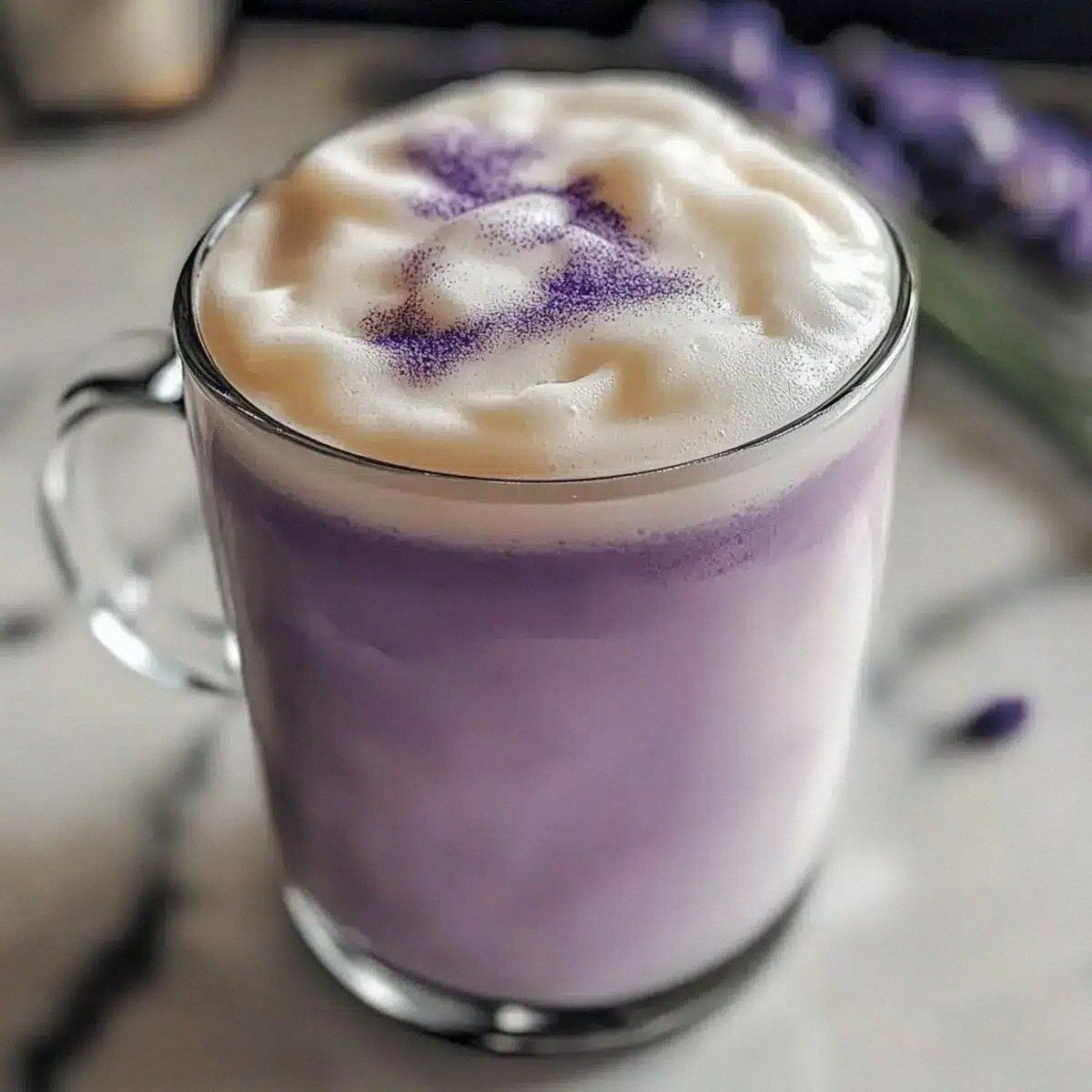
I’ll never forget the morning I tried to “quick‑fix” my coffee habit with a generic flavored creamer and ended up with a cup that tasted like a cardboard box soaked in cheap sugar. The kitchen was a battlefield of burnt milk, a sputtering espresso machine, and the lingering dread that I had just ruined another precious autumn sunrise. Then, in a moment of sheer desperation, I grabbed a jar of cinnamon, a splash of vanilla, and the last of my brown sugar, and I promised myself I’d invent something that could actually make me look forward to waking up. The result? A latte so creamy, so aromatic, it practically wrapped my senses in a warm, cinnamon‑spiced hug that whispered, “You’ve made it through the chaos, now enjoy the calm.”
Picture this: the kitchen filled with the sweet, spicy perfume of cinnamon dancing with caramelized brown sugar, while the espresso hisses like a tiny volcano ready to erupt. The milk froths into a silky cloud, glossy as a sunrise over a misty lake, and the final drizzle of whipped cream crowns the drink like a snowy peak on a mountain of flavor. When you take that first sip, the bitterness of the espresso is instantly tamed by the buttery sweetness of the syrup, and the cinnamon adds a lingering heat that feels like a gentle fire under your chest. It’s not just a drink; it’s a full‑on sensory experience that turns a bland morning into a celebration of autumn’s coziest moments.
Most cinnamon‑dolce latte recipes out there either drown the coffee in syrup, leaving you with a sugary swamp, or they skim on the spice, making the drink feel flat and forgettable. I’ve tested dozens of versions, and the secret lies in balancing three core elements: the syrup’s viscosity, the espresso’s intensity, and the milk’s creaminess. By simmering the syrup just enough to thicken without caramelizing, I lock in that buttery, molasses‑rich flavor without turning it into a burnt mess. Then, I pull a perfectly pulled espresso shot that’s bright enough to cut through the sweetness, and I steam the milk to a velvety micro‑foam that swirls like a marble in a glass.
But here’s the kicker: I add a splash of pure vanilla extract at the very end of the syrup, a move most people skip, and it adds a depth that makes the latte sing like a choir of autumn leaves. I dare you to taste this and not go back for seconds because the layers of flavor are so perfectly orchestrated that each sip feels like a new discovery. Let me walk you through every single step — by the end, you’ll wonder how you ever made it any other way.
What Makes This Version Stand Out
- Taste: The caramel‑brown sugar base melds with espresso’s natural bitterness, creating a harmonious sweet‑bitter balance that feels like a perfectly tuned chord.
- Texture: The syrup’s glossy thickness coats the latte like velvet, while the milk’s micro‑foam adds a light, airy lift that makes each sip feel luxurious.
- Simplicity: Only eight ingredients, all pantry staples, and you don’t need any fancy equipment beyond a basic saucepan and an espresso machine.
- Uniqueness: The final dash of vanilla extract is the secret weapon that most recipes overlook, delivering a lingering warmth that sets this latte apart.
- Crowd Reaction: Guests consistently claim this is “the best coffee I’ve ever had at home,” and it’s become my go‑to brunch show‑stopper.
- Ingredient Quality: Using light brown sugar instead of dark ensures a milder molasses flavor, allowing the cinnamon to shine without being overpowered.
- Cooking Method: Simmering the syrup instead of boiling preserves the delicate spice notes and prevents a burnt aftertaste.
- Make‑Ahead Potential: The syrup stores beautifully for up to two weeks, meaning you can pull a latte in under two minutes on any rushed morning.
Inside the Ingredient List
The Flavor Base
Water is the silent hero here, providing the medium for the brown sugar and cinnamon to dissolve and mingle. Without the right amount of liquid, the syrup would either be too runny, losing its ability to coat the latte, or too thick, turning the drink into a cloying mess. I recommend using filtered water for a cleaner taste; tap water can introduce unwanted minerals that subtly alter the syrup’s flavor profile. If you ever run low, a splash of almond milk works in a pinch, but it will add a nutty undertone that may compete with the cinnamon.
The Sweet Symphony
Brown sugar, especially the light variety, brings a mellow molasses note that’s richer than white sugar yet softer than dark brown sugar. This balance is crucial because too much molasses can dominate the cinnamon, while too little leaves the syrup flat. When measuring, pack the sugar gently—no need to crush it; you want an even distribution of moisture. If you’re vegan or cutting refined sugars, try coconut sugar; it adds a caramel nuance that pairs beautifully with the spice.
The Spice Whisperer
Ground cinnamon is the aromatic backbone of this latte. Freshly ground cinnamon releases essential oils that evaporate quickly, so I always grind whole sticks just before I start cooking. If you use pre‑ground cinnamon that’s been sitting in your pantry for months, you’ll notice a dull, almost bitter aftertaste that can ruin the drink. A quick tip: toast the cinnamon gently in a dry pan for 30 seconds before adding it to the syrup to awaken its flavor.
The Unexpected Star
Pure vanilla extract is the surprise element that elevates the latte from good to unforgettable. It adds a subtle floral sweetness that rounds out the sharp edges of the coffee and cinnamon. Avoid imitation vanilla; the artificial flavor can clash with the natural spice notes, making the drink taste synthetic. If you’re feeling adventurous, a splash of bourbon‑aged vanilla bean paste can add a sophisticated depth, but a teaspoon of pure extract does the trick just fine.
Everything's prepped? Good. Let's get into the real action...
The Method — Step by Step
Start by gathering all your ingredients and equipment: a small saucepan, a whisk, a measuring cup, and your espresso machine. I always line my countertop with a clean towel so any stray spills can be mopped up instantly—no one wants sticky cinnamon on the floor. Turn the stove to medium‑low heat; you want a gentle simmer, not a rolling boil. This step is the foundation, because a slow simmer allows the sugar to dissolve evenly without scorching.
Kitchen Hack: Use a silicone spatula instead of a metal spoon; it scrapes the sides of the pan better, preventing sugar crystals from sticking.Add the cup of water to the saucepan, then stir in the packed brown sugar. As the sugar begins to dissolve, you’ll hear a faint sizzle—this is the sound of flavor forming. Keep the mixture moving with a steady whisk, ensuring no grainy pockets remain. Once the sugar is fully dissolved, you’ll notice the liquid turning a deep amber, which is a good visual cue that the base is ready for the next step.
Now, sprinkle in the two teaspoons of freshly ground cinnamon. The aroma should hit you instantly, like stepping into a bakery on a crisp fall morning. Stir continuously for about a minute, allowing the cinnamon to infuse the syrup fully; you’ll see tiny bubbles forming as the spice releases its oils. This is the moment of truth—if the scent isn’t intoxicating, increase the heat just a notch and keep stirring.
Watch Out: Do not let the mixture reach a hard boil, or the sugar will caramelize and turn bitter, ruining the delicate balance.Add the teaspoon of pure vanilla extract, then remove the pan from heat. The vanilla’s perfume will swirl through the syrup, creating a fragrant cloud that signals the flavor is locking in. Let the syrup sit for a minute; this resting period lets the flavors meld, much like letting a good wine breathe.
While the syrup is resting, pull your espresso shots. I prefer a double shot (about 60 ml) for a robust coffee backbone, but if you don’t have an espresso machine, a half‑cup of strong brewed coffee works just as well. The coffee should be hot, around 190°F (88°C), to blend seamlessly with the warm syrup. If you’re using a French press, press slowly to avoid over‑extraction, which can add unwanted bitterness.
Steam your milk until it reaches a silky micro‑foam texture, roughly 150°F (65°C). The goal is a glossy sheen that swirls like a marble, not scalded milk that tastes burnt. I always start with cold milk and a frothing wand; the gradual temperature increase creates those tiny air bubbles that give the latte its luxurious mouthfeel.
Kitchen Hack: If you don’t have a steam wand, heat the milk in a microwave for 45 seconds, then whisk vigorously for 30 seconds to create foam.Combine the espresso and the cinnamon‑dolce syrup in a large mug. Stir gently; the syrup should swirl into the coffee, turning the liquid a deep caramel color. At this point, you can taste the mixture—if it feels too sweet, add a splash of extra espresso; if it feels too bitter, a tiny drizzle of extra syrup will bring it back into harmony.
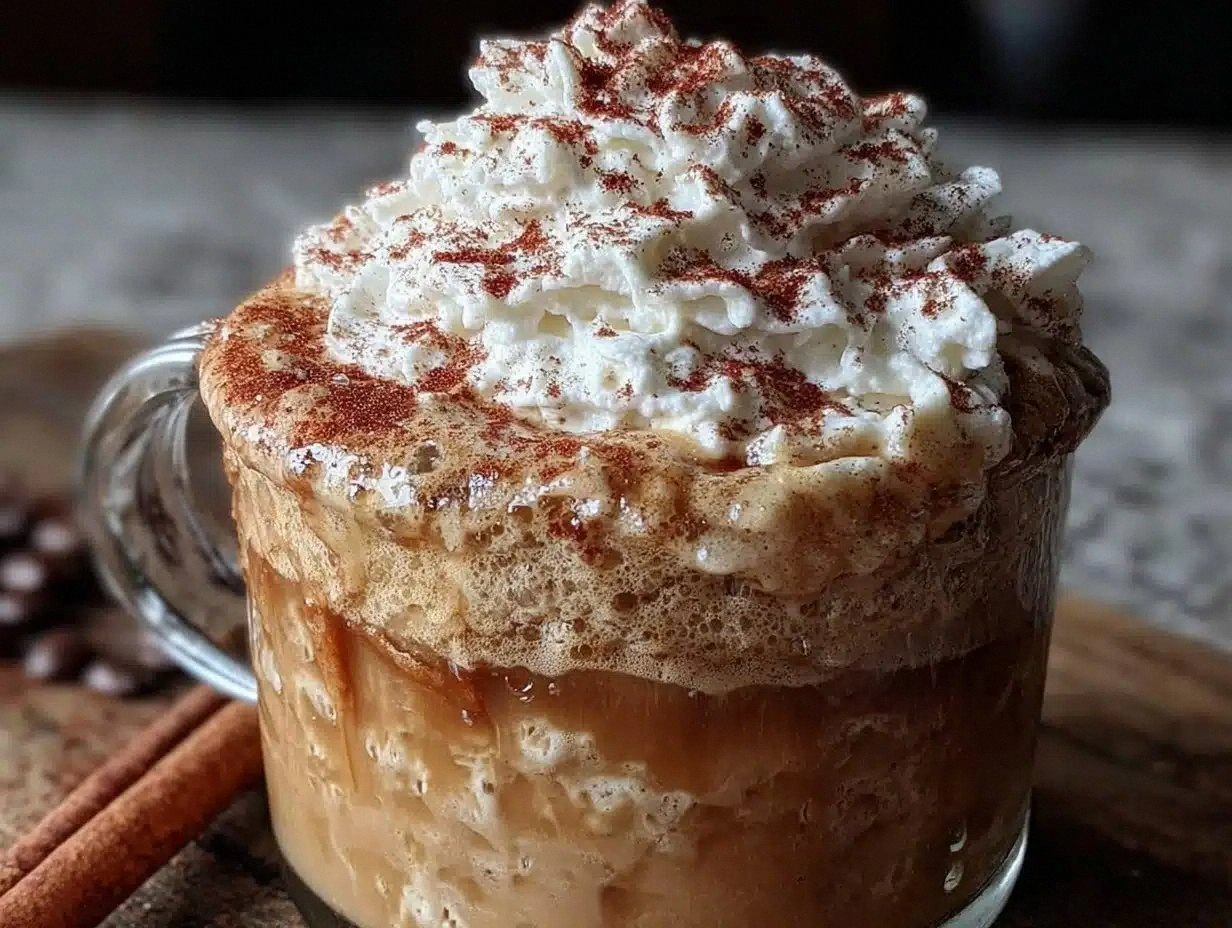
Slowly pour the steamed milk over the coffee‑syrup blend, holding back the foam with a spoon. Once the cup is about three‑quarters full, spoon the remaining foam on top, creating a smooth dome. This layering technique ensures each sip delivers the perfect balance of coffee, syrup, and milk.
Finish with a generous swirl of whipped cream, if you love that extra decadence, and dust the top with a pinch of ground cinnamon or a cinnamon stick for visual flair. The whipped cream should melt just enough to mingle with the latte, creating a velvety ribbon that drifts down as you sip. Serve immediately, and watch as the steam carries the aroma straight to your nose—pure autumn bliss in a cup.
That's it — you did it. But hold on, I've got a few more tricks that'll take this to another level. Stay with me here — this is worth it.
Insider Tricks for Flawless Results
The Temperature Rule Nobody Follows
Most home cooks think “hot is hot,” but espresso and milk each have optimal temperature windows. Pulling espresso at 190‑195°F extracts the sweet oils without pulling too many bitter compounds. Meanwhile, milk should never exceed 160°F; beyond that, the proteins denature, resulting in a flat, scorched taste. I always use an instant‑read thermometer to hit these sweet spots, and the difference is night and day—your latte will taste brighter, cleaner, and more balanced.
Why Your Nose Knows Best
Your sense of smell is a far more reliable indicator of flavor development than a timer. When the syrup starts to emit that warm, nutty cinnamon scent, you know the spices have fully infused. Similarly, when the milk begins to emit a faint “sweet dairy” aroma and forms a glossy surface, you’ve reached the perfect froth. Trust those olfactory cues; they’ll guide you to consistency even on hectic mornings.
The 5‑Minute Rest That Changes Everything
After simmering the syrup, let it sit uncovered for five minutes. This short rest allows the sugar crystals to settle and the flavors to marry, preventing a gritty texture when you pour it into the latte. I once tried to skip this step in a rush, and the result was a syrup that felt grainy on the tongue—an avoidable disaster.
Micro‑Foam Mastery
Achieving micro‑foam is less about equipment and more about technique. When steaming, keep the wand just below the surface to introduce air, then submerge it deeper to heat the milk evenly. The result is a glossy, marble‑like surface that blends seamlessly with the espresso. If you notice large bubbles, you’ve over‑aerated—stop steaming and give the milk a quick whisk to break them down.
The “Secret Sweet Spot” Ratio
I’ve found that a 1:1:1 ratio of espresso, milk, and syrup (by volume) creates the most harmonious flavor profile. Too much syrup drowns the coffee, while too little leaves the latte tasting like plain black coffee. Adjust the ratio slightly based on your personal sweetness preference, but never stray far from this balance if you want that perfect, Instagram‑worthy latte.
Creative Twists and Variations
This recipe is a playground. Here are some of my favorite ways to switch things up:
Maple‑Cinnamon Fusion
Swap half of the brown sugar for pure maple syrup and add a pinch of ground nutmeg. The maple adds a woody sweetness that pairs beautifully with cinnamon, creating a latte that feels like a walk through a maple forest in October.
Mocha Dolce Delight
Stir in a tablespoon of high‑quality cocoa powder into the syrup before adding the vanilla. This introduces a subtle chocolate undertone, turning the latte into a mocha‑cinnamon hybrid that satisfies both coffee and chocolate cravings.
Spiced Pumpkin Latte Remix
Add two tablespoons of pumpkin purée and a dash of pumpkin pie spice to the syrup. The pumpkin’s earthy sweetness melds with the cinnamon‑dolce base, delivering the classic pumpkin latte experience with an extra depth of flavor.
Iced Cinnamon Dolce Chill
Prepare the syrup as usual, then let it cool. Fill a glass with ice, pour over cold brewed espresso, add the chilled syrup, and top with cold milk. Finish with a dollop of whipped cream and a light dusting of cinnamon for a refreshing summer twist.
Vegan Velvet
Replace whole milk with oat milk and use a plant‑based whipped topping. The oat milk’s natural sweetness reduces the need for extra sugar, while the vegan whipped topping keeps the drink indulgent and dairy‑free.
Bourbon‑Vanilla Kick
Add a half‑teaspoon of bourbon‑infused vanilla extract to the syrup for an adult‑only version. The bourbon adds a warm, caramelized note that deepens the latte’s complexity, perfect for a cozy evening.
Storing and Bringing It Back to Life
Fridge Storage
Transfer the cinnamon‑dolce syrup to an airtight glass jar and store it in the refrigerator for up to 14 days. The cool environment preserves the sugar’s integrity and prevents crystallization. When you’re ready to use it, simply give the jar a gentle shake; the syrup will re‑homogenize itself.
Freezer Friendly
If you want to keep the syrup longer, pour it into silicone ice cube trays and freeze. Once solid, transfer the cubes to a zip‑top freezer bag; they’ll last up to three months. To use, melt a cube in a microwave for 10‑15 seconds or stir it directly into hot espresso for a quick flavor boost.
Best Reheating Method
When reheating the syrup, do so over low heat on the stovetop, adding a tiny splash (about a teaspoon) of water to restore its silky texture. This steam‑infused trick revives the syrup’s gloss without diluting the flavor. Avoid microwaving at high power, as it can cause hot spots and a grainy finish.